fbpixel

The 10 best days are here.

Give your sadaqah
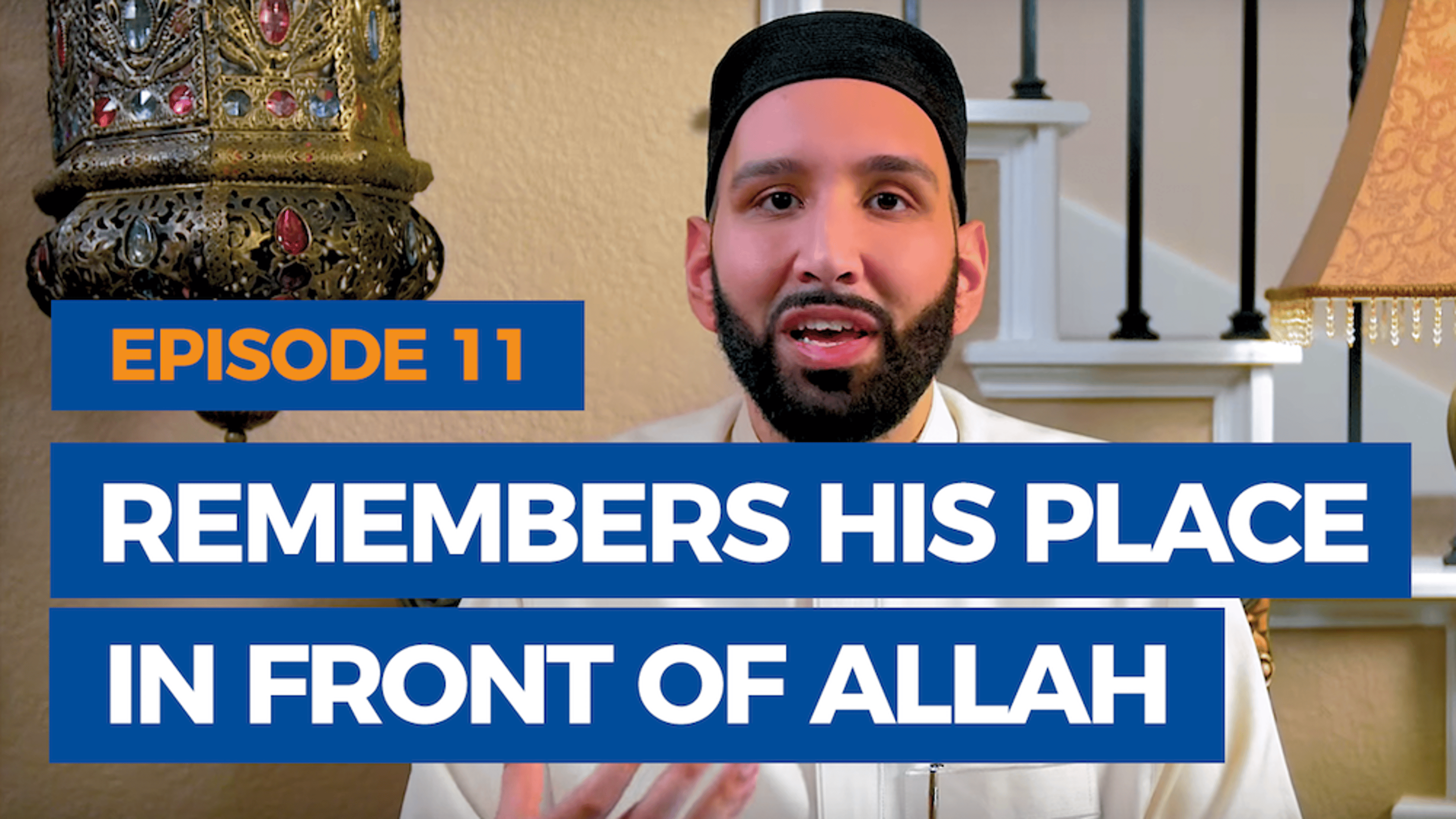
Ep. 11:  Remembers His Place in Front of Allah | The Faith Revival
Hadith #1 - The Gravity of Injustice

Hadith #1 - The Gravity of Injustice

Hadith #2 - God is More Capable Than You

Hadith #2 - God is More Capable Than You

Hadith #3 - From the Scrolls of Abraham

Hadith #3 - From the Scrolls of Abraham

Hadith #4 - To Seek or Not to Seek Leadership

Hadith #4 - To Seek or Not to Seek Leadership

Hadith #5 - You Will Be Asked About Your Potential

Hadith #5 - You Will Be Asked About Your Potential

Hadith #6 - A Word of Truth in the Face of An Oppressor

Hadith #6 - A Word of Truth in the Face of An Oppressor

Hadith #7 – The Ruling on Silence and Injustice

Hadith #7 – The Ruling on Silence and Injustice

Hadith #8 - The Right to Water, Food, and Shelter

Hadith #8 - The Right to Water, Food, and Shelter

Hadith #9 - Responding To Evil With Good

Hadith #9 - Responding To Evil With Good

Hadith #10 - The "Everyone Else Does It" Fallacy

Hadith #10 - The "Everyone Else Does It" Fallacy

Hadith #11 – Don't "Shortchange" Anyone

Hadith #11 – Don't "Shortchange" Anyone

Hadith #12 – Whoever Deceives is Not One of Us

Hadith #12 – Whoever Deceives is Not One of Us

Hadith #13 – Corrupt Lawyers and Unserved Justice
Hadith #13 – Corrupt Lawyers and Unserved Justice

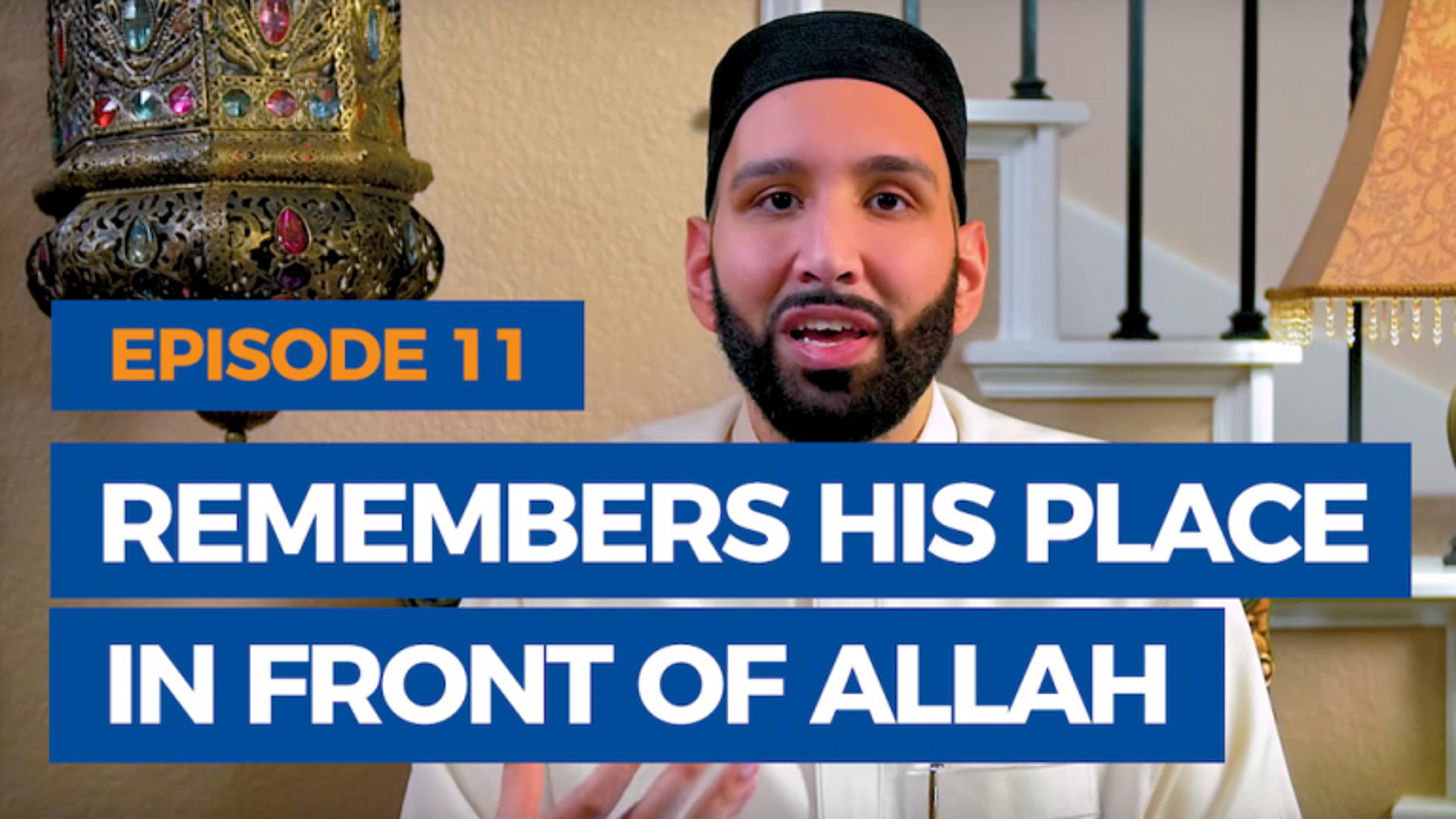
Ep. 11:  Remembers His Place in Front of Allah | The Faith Revival
Playing

Ep. 11: Remembers His Place in Front of Allah | The Faith Revival

Hadith #14 – Elitist Privilege

Hadith #14 – Elitist Privilege

Hadith #15: Building a Coalition of Justice

Hadith #15: Building a Coalition of Justice

Hadith #16: A Show of Strength

Hadith #16: A Show of Strength

Hadith #17: Righteous Anger

Hadith #17: Righteous Anger

Hadith #18: "He is Not a Believer Whose Neighbor is Not Secure From His Harm"

Hadith #18: "He is Not a Believer Whose Neighbor is Not Secure From His Harm"

Hadith #19: "The Definition, Categories, and Prohibition of Torture in Islam"

Hadith #19: "The Definition, Categories, and Prohibition of Torture in Islam"

Hadith #20: “Before the Sweat Dries…”

Hadith #20: “Before the Sweat Dries…”

Hadith #21 - The Characteristics of a Pious Employee

Hadith #21 - The Characteristics of a Pious Employee

Hadith #22 - The Root of All Social Injustice

Hadith #22 - The Root of All Social Injustice

Hadith #23: Why is Riba Haram?

Hadith #23: Why is Riba Haram?

Hadith #24 – Insurance Companies and Vulnerable Citizens

Hadith #24 – Insurance Companies and Vulnerable Citizens

Hadith #25 – Justice Between Parents & Children

Hadith #25 – Justice Between Parents & Children

Hadith #26 – The Sin of Favoritism

Hadith #26 – The Sin of Favoritism

Hadith #27 – Framing How Rights Work in a Marriage

Hadith #27 – Framing How Rights Work in a Marriage

Hadith #28 – The Rights of your Aunts, Uncles, In-laws, and Extended Family

Hadith #28 – The Rights of your Aunts, Uncles, In-laws, and Extended Family

Hadith #29 – The Rights of the Elderly on Society

Hadith #29 – The Rights of the Elderly on Society

Hadith #30 – Slavery in Islam

Hadith #30 – Slavery in Islam

Hadith #31 – Islamic Ethics Regarding Asylum, Refugees, and Migration

Hadith #31 – Islamic Ethics Regarding Asylum, Refugees, and Migration

Hadith #32 – Racism and Tribalism

Hadith #32 – Racism and Tribalism

Hadith #33 - The Injustice of Stereotypes and Collective Guilt

Hadith #33 - The Injustice of Stereotypes and Collective Guilt

Hadith #34 - "We Used to Have No Regard for Women"

Hadith #34 - "We Used to Have No Regard for Women"

Hadith #35 - The Rights of Those with Disabilities

Hadith #35 - The Rights of Those with Disabilities

Hadith #36 - The Prophet's Doctors and Islam's History of Healthcare
Hadith #36 - The Prophet's Doctors and Islam's History of Healthcare

Hadith #37 - When Animals Indict Humans for Cruelty

Hadith #37 - When Animals Indict Humans for Cruelty

Hadith #38 - The Rights of the Environment Upon You
Hadith #38 - The Rights of the Environment Upon You

Hadith #39 - Without Justice, There Can Be No Peace

Hadith #39 - Without Justice, There Can Be No Peace

Hadith #40 - Incremental Change vs. Radical Reform

Hadith #40 - Incremental Change vs. Radical Reform

40 Hadiths on Social Justice

Ep. 11: Remembers His Place in Front of Allah | The Faith Revival

As human beings, we will never stop sinning. But remembering your place in front of Allah before committing the sin can deter you from it.
This transcript was auto-generated using AI and may contain misspellings.
The Faithful Asalaamu alaikum wa rahmatullahi wa barakatuh. Welcome back to the Faithful Bible. So last time we talked about those moments that Allah sends you to wake you up,
that catalyst that can result in a lifelong connection to Allah subhanahu wa ta'ala. But think about that time where you're about to commit a sin. There's a very interesting ayah in the Qur'an.
Innamal mu'minoon allatheena idha thukirallaha wajilat quloobuhum wa idha tuliat alayhim ayatuhu zadathum imana wa ala rabbihim yatawakaloon Allah says, verily, people of iman, those believers, those who have that belief,
are those who when Allah is mentioned or when Allah is remembered, then their hearts shake, their hearts tremble.
Wa idha tuliat alayhim ayatuhu, when the verses of Allah are recited upon them, then their faith is increased, and they place their trust in Allah subhanahu wa ta'ala. What is this verse talking about?
Because are we always supposed to tremble when we hear the name of Allah subhanahu wa ta'ala? Or is this a very specific context? Mujahid rahimahullah ta'ala, the great scholar of Qur'an,
the way he interpreted this ayah, he said that what this is talking about is the believer just as he's about to commit a sin, what does he think about at that moment? Fayatadhakkar maqamahu bayna yadayil la
He remembers his standing right in front of Allah subhanahu wa ta'ala. So right when he's about to commit the sin, he remembers his standing in front of Allah subhanahu wa ta'ala.
Fayatrukuha, and so he leaves that, and out of fear he turns back to Allah and he says, Astaghfirullah, Astaghfirullah, Astaghfirullah. He then seeks refuge in the words of Allah subhanahu wa ta'ala,
and his faith is increased, so he's in a better situation than he was before he thought of committing that sin. Allah mentions this also, Inna ladheena ttaqawu idha masahum ta'ifu minash shaytaani tathakkaru
That verily, those who have that piety, that consciousness of Allah, when a thought, a whisper from shaytaan comes, tathakkaru, they immediately remember, Faithahum mubusiroon
Suddenly they have basira, they have sight, they're able to see clearly again. The important point that we take from this is not just that you remember Allah before you commit a sin. When you're about to commit a sin,
Prophet salallahu alayhi wa sallam says, Idha dhukirtum billah fantahu As soon as you remember Allah, stop. Don't think that I'm already in it, so I might as well continue and finish it, and then I'll repent afterwards. Because that happens a lot of times.
We start it, we know it feels wrong, but you know what? I'm already halfway through my backbiting. Let me go ahead and finish my sentence. I'm already halfway through the sin. Let me go ahead and finish the sin, and I'll be reminded of Allah afterwards.
No, right away, when you think of Allah, stop, catch yourself. But secondly, what would make you tremble? Not the thought of people finding out, not the thought of, you know, of humiliation,
not any thought except for my standing in front of Allah subhanahu wa ta'ala. This is actually very practical. That when I'm about to commit a sin,
immediately I should place myself in front of Allah on the day of judgment, committing that sin. Would I have the audacity to stand in front of Allah on the day of judgment, and while He is watching me commit that sin?
What's the difference between then and now? Allah is watching us now as well. Can you imagine how shy we would be to commit that sin if we thought about Allah's sight upon us? So, immediately they remember Allah subhanahu wa ta'ala,
and they place themselves in the standing before Allah subhanahu wa ta'ala. Allah says, وَلِمَنْ خَافَ مَقَامَ رَبِّهِ جَنَّتَانَ And for those who fear the standing before the Lord, are two gardens in paradise.
The most practical thing I can give you from this, is something that comes from Imam Al-Sudi rahimahullah ta'ala. He says that the believers will never stop sinning, because as human beings we don't stop sinning. But they will stop their attitude towards sin.
So we cannot stop sinning altogether, because the children of Adam are sinners in their nature. But we can stop the way that we, or we can change the way we approach those sins.
Meaning we feel a great shyness and a great humbleness before we commit that sin. When we think of Allah subhanahu wa ta'ala, our hearts tremble and we take ourselves to task. How could I think of putting my iman at risk,
putting my connection with Allah subhanahu wa ta'ala at risk, for the sake of that temporary fleeting pleasure. So the next time you're about to commit a sin, immediately, think of standing in front of Allah subhanahu wa ta'ala, and committing that sin in front of Him on the day of judgment.
It will deter you insha'Allah, and replace that sin. So you were about to commit a sin, go commit a good deed instead. Instead of committing that sin, I'm going to read Quran now. Just because I thought of that sin, I'm going to go ahead and I'm going to read Quran,
I'm going to do something good to replace what would have been a moment of disobedience, with a moment of obedience. And remember, al-iman yazidu bi-ta'a wa yanqusu bil-ma'asiyah.
Faith increases with obedience and decreases with disobedience. May Allah increase our iman and grant us full trust in Him. Allahumma ameen. See you next time insha'Allah.
Assalamualaikum warahmatullahi wabarakatuhu.