


Spotlight

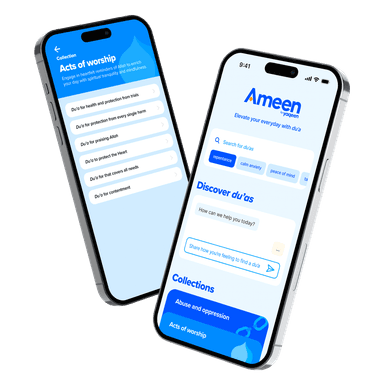




Become a member

Bookmark content
Manage your donations
Track your spiritual growth


Collection
Parenting
The Miscarried Fetus in Islam: Meeting Your Lost Child in Jannah | Blog
The Importance of Making Ramadan a "Big Deal" for Your Family | Blog
The Power of a Positive Home Environment: What the Research Says | Blog
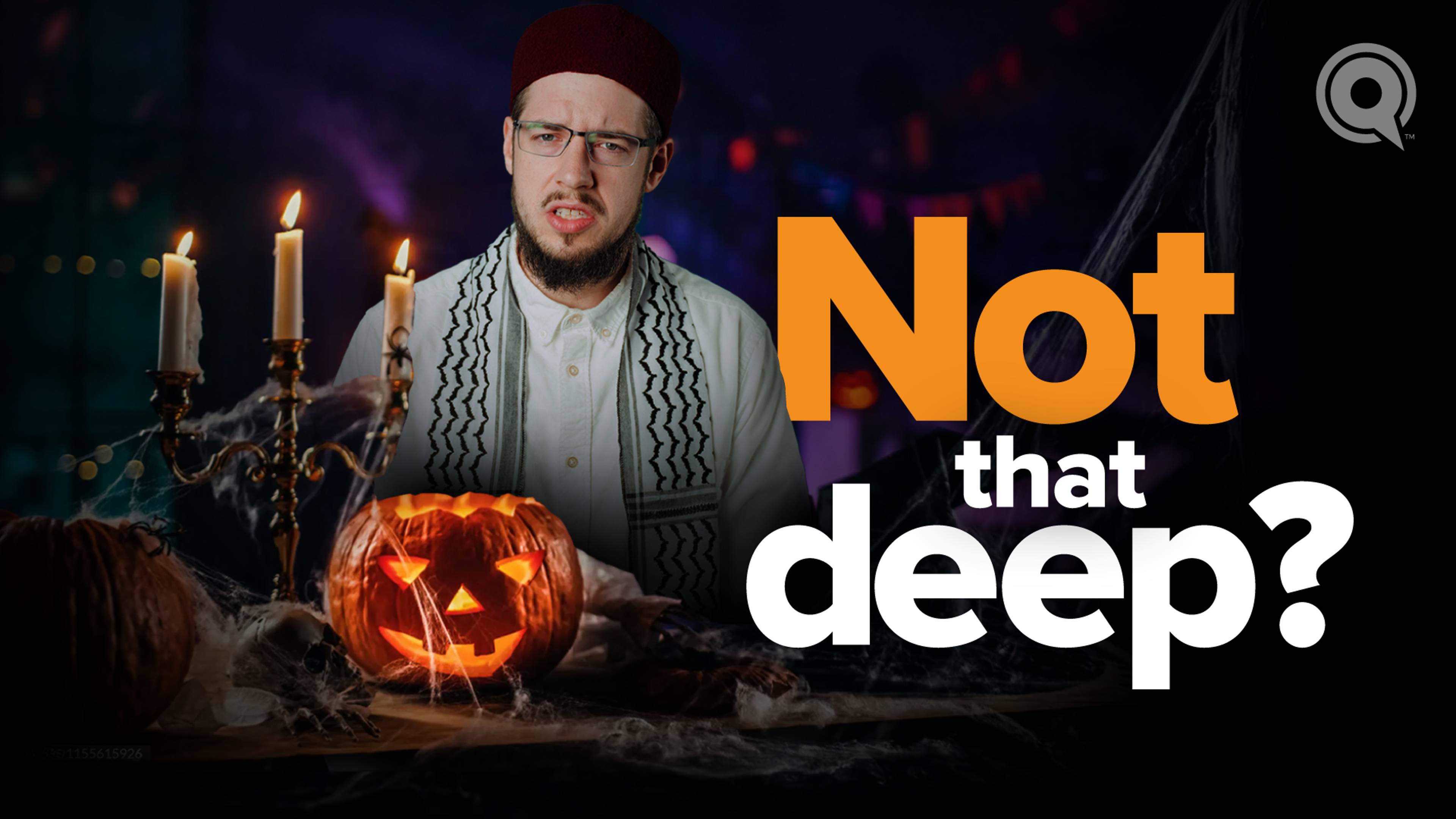
It's Okay to Be Different: How to Talk to Kids About Halloween and Islam | Blog
8 Questions Your Muslim Teens Are Asking | Blog

Was Aisha (ra) a child when she married the Prophet ﷺ? What is an appropriate age to get married? Explore the legacy of Aisha (ra) - the youngest wife of Prophet Muhammad ﷺ.
Are the claims that Aisha married while she was in her teens accurate? Are they strong enough to make us discard ʿĀʾisha’s ḥadīth? Why did this become an issue in modern times when it was not an issue at the time the marriage took place?
Muslims have found themselves in the crosshairs of a hegemonic culture that often devalues or distorts marriage and family life.
Is Islam pro-life, pro-choice, or both depending on the circumstances? And what implications does the answer to this question have for current political discourse? This essay seeks to offer a comprehensive look at how classical and contemporary Muslim jurists have dealt with the subject in accordance with evolving methods, circumstances, and debates surrounding the topics of contraception and abortion.
What does Islam say about LGBT, gender and sexual morality? This article sets out to distinguish modern worldviews and explore Islam's view on gender, sex, and sexual morality.





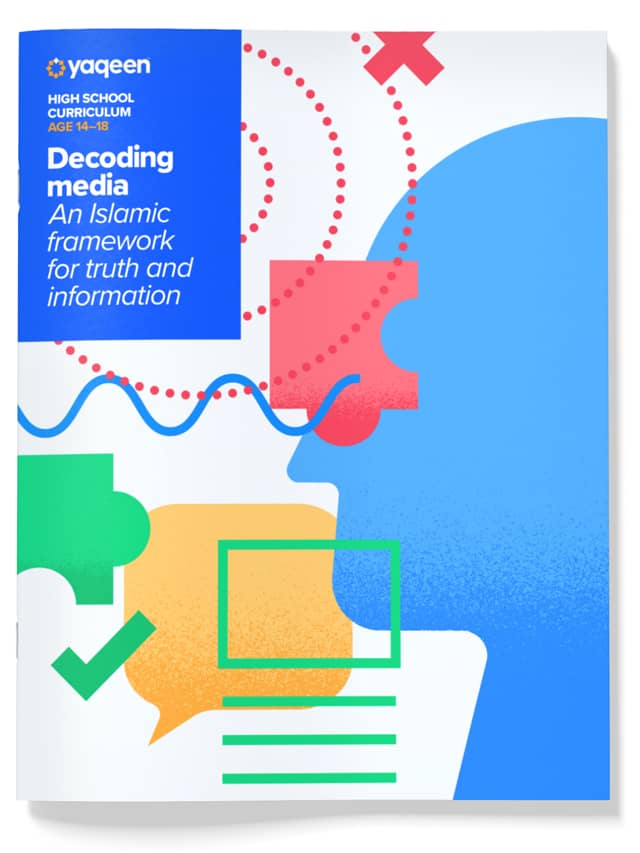
Decoding media: An Islamic framework for truth and information
In an age of nonstop feeds and viral claims, the media doesn’t just report reality—it shapes it. For Muslims, navigating this space is both an intellectual and moral responsibility. In this unit, students will learn the basics of how we know what is true (epistemology), along with skills for understanding and analyzing media. Drawing on Qur’anic and Prophetic guidance, as well as contemporary scholarship, students learn to recognize bias, resist the spread of falsehood, and develop the skills to act with integrity while engaging with news media. By the end of the unit, students will have both concrete skills and a faith-based framework to responsibly approach today’s information landscape with confidence.

Love at first sight? Ethics of desire (Boys)
Our Muslim youth are growing up in an environment where explicit content in various formats is ubiquitous. Educators and parents see the confusion, discomfort, and sometimes shame they experience when exposed to this content. This unit takes students through three chapters that explore the nature of sexual desires in Islam and help students recognize the dignity and true intended purpose of their desires, how to manage them responsibly, and how to navigate an environment saturated with sexual imagery. The ultimate goal of this unit is to reorient students toward a sound understanding of human desires through instruction grounded in Islam’s theological and ethical principles. Note: We recognize that addressing sexual desires in an Islamic framework can be sensitive. This unit is designed to be taught in gender-segregated environments. We encourage educators to thoroughly review all materials in this unit beforehand to ensure their students are developmentally and emotionally prepared for these discussions.

Love at first sight? Ethics of desire (Girls)
Our Muslim youth are growing up in an environment where explicit content in various formats is ubiquitous. Educators and parents see the confusion, discomfort, and sometimes shame they experience when exposed to this content. This unit takes students through three chapters that explore the nature of sexual desires in Islam and help students recognize the dignity and true intended purpose of their desires, how to manage them responsibly, and how to navigate an environment saturated with sexual imagery. The ultimate goal of this unit is to reorient students toward a sound understanding of human desires through instruction grounded in Islam’s theological and ethical principles. Note: We recognize that addressing sexual desires in an Islamic framework can be sensitive. This unit is designed to be taught in gender-segregated environments. We encourage educators to thoroughly review all materials in this unit beforehand to ensure their students are developmentally and emotionally prepared for these discussions.

Fasting and zakat: Winning through sacrifice
It is normal for Muslim youth to question the purpose of religious rituals, especially those that involve sacrifice. This unit takes a multi-dimensional approach—physical, social, and spiritual—to understanding two core Islamic rituals: zakat and fasting in Ramadan. Students may wonder: Why do we give zakat, and how does it purify wealth? Is fasting just about avoiding food, or does it have a deeper purpose? In this unit, we examine how zakat and fasting foster spiritual purification, strengthen community bonds, and cultivate self-discipline in our lives. By the end of this unit, students will gain a greater appreciation for zakat and fasting, shifting their perspective on the role of rituals in daily life. Ultimately, they will recognize that Islamic rituals benefit us in both this life and the next.

How can evil coexist with a merciful God?
The 'problem of evil' is a major point of contention in philosophical and religious circles. To address the topic, this unit first clarifies the terms of the debate by explaining that human knowledge can never encompass the reality of 'goodness' or 'evil.' It then surveys how Islamic theodicies have responded to the problem of evil. The unit concludes by inviting students to explore how the prophetic model allows them to find meaning and be inspired to act positively in a world where 'evil' exists.

Conscious or coerced: Divine decree in Islam
This unit explores a difficult question brought up by Muslim youth and adults alike: if God has knowledge of all things and we are subject to His will and power, then how do we have free will? Students will explore the Qur'anic discourse on predestination and free will to equip them with the tools to navigate and resolve this apparent paradox.


