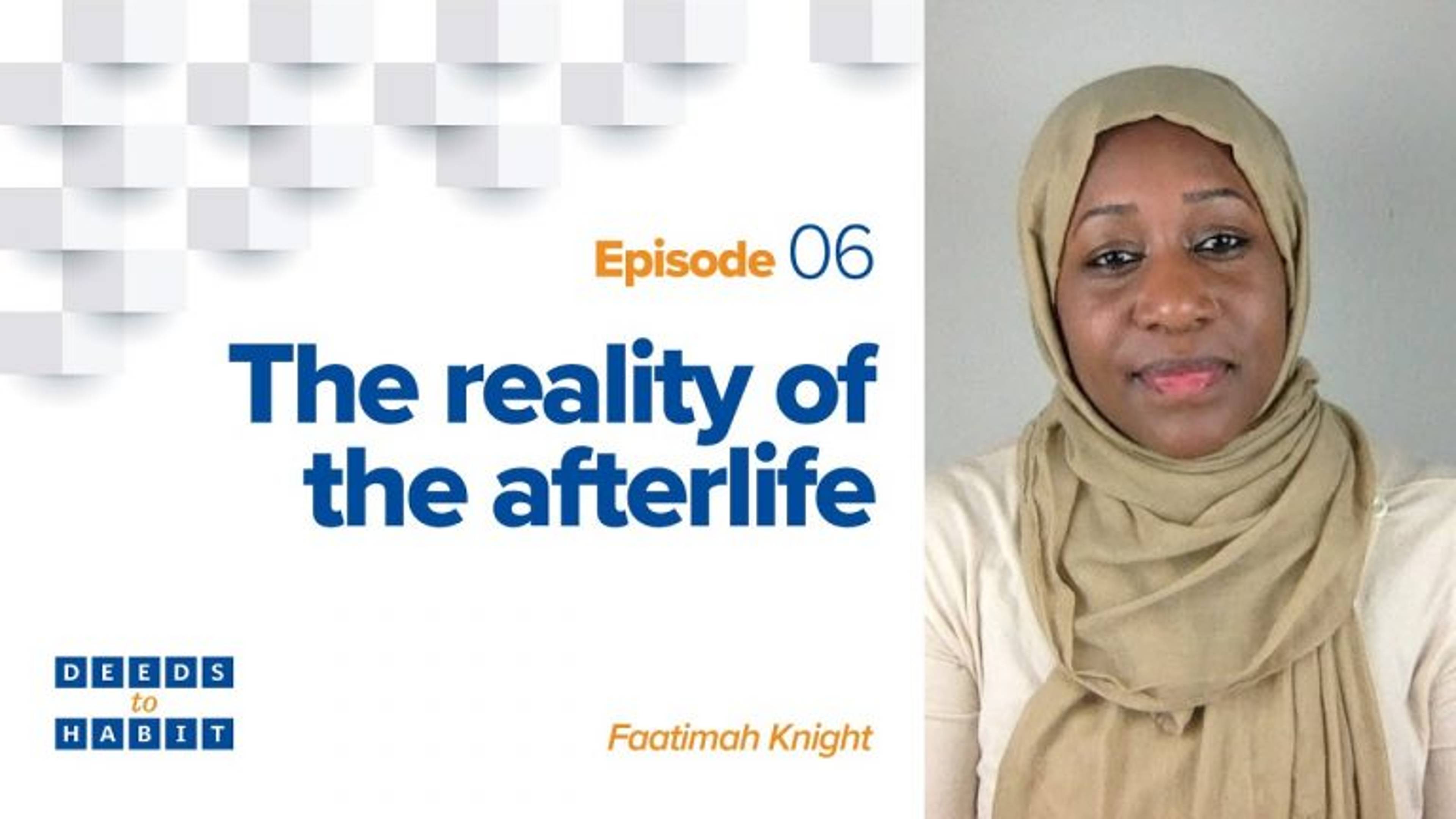
We know from the Qur'an and from the history books that the pre-Islamic Arabs sought eternality
and temporality. That means that because they did not have a clear conception, most of them,
of the afterlife, of life after death, that this dramatically impacted how they thought
about the life that they had in front of them and how they behaved in that life, in the
time that they felt they were given. So they wanted to taste eternality, right? So it was
as if they had a concept of eternality, but they didn't believe that it was real, at least not for them as human beings, right? They didn't have a concept of an eternal soul,
right? They kind of just had a concept of their environment having this sort of eternality
to it, because they were in a desert, it's this large expanse, you can see the clarity
of the stars and the universe when you look up in there. They did have this sense of eternality
as it related to nature, but not as it related to themselves. But they craved it, they craved
eternality, they wanted to taste it. And in their wanting to experience something of eternality,
this led many of them into hedonistic practices, right? They wanted to, you know, get as much
of life as they could. And, you know, just like today, where we find people who do very extreme sports, or just sort of extreme practices, because they say they want to feel their most
alive. Arabs, pre-Islamic Arabs had a concept of that too, of wanting to feel their most
alive and have a taste of what it meant to be without bounds, to be free or unconstrained.
And because of this, many of them engaged in what we would consider hedonistic behavior,
right? So excessive drinking of alcohol, excessive partying, you know, extramarital relations
to an excess, they engaged in a lot of excess. And, and yet they were still pessimistic,
right? So we find in the poetry of the pre-Islamic Arabs, they talked a lot about how life was
just inevitably going to end and that after death, there is nothing else. And poetry in
which they're weeping about the things that will inevitably pass. And how as much as they
want to live and enjoy life, the more they live, the more they know that they are going
to pass. So they still have this pessimistic conception of life, even though they have these extremes, right? They wanted to engage in these extreme experiences to make them
feel more alive. And we find interestingly, a parallel today in many aspects of our culture.
So because they didn't have the strong conception of a life after death, of a soul that continues
on past the past the death of the physical body, this affected how they thought and how
they behaved in the life that they had in the time that they were given. And it's a
lesson for us that whenever you feel that all you have is the earthly life, is this
life is, is this number of years until, you know, until we all taste death, there will be suffering, there will be suffering when we feel so constrained when we feel like this
life is all that we have. And of course, in our Islamic conception, we believe like the
pre Islamic Arabs believed that, yes, this life will pass, of course. But we have this fundamental life changing difference, this shift that the message of the Prophet, alayhis
salam brought, which is this conception of life after death. And so much is predicated
upon our believing in that and in our having a strong conception in our mind, that life
after death is a real thing. And once we recognize and believe in the existence of the world
to come, which of course we all do, then there's less of a need to despair, right? Because
then we recognize that the life that we have here, as important as it is as real as it
is, and it feels it's just a part of our overall life, right? That our soul goes on that we
pass, yes, but we pass on to another phase of existence. And so we don't have to feel
this constraint, like everything has to be fit into these 70, 80 years, because after
this we will cease to exist. And you see reference over and over again, in the Quran of God talking
about the Arabs as people who prefer this life, who have such a lust for this life,
right? There's verses over and over about that, and people who don't believe in the next life. And God, you know, confirms for us that no, there's life after death, and
that the life that comes after death is better than this life. And it's everlasting, right? The thing that they were craving, it doesn't, it can't be confined here, right? Everlastingness
does exist, right? But it's beyond the material conception of this life. It's far beyond what
we can see and feel and touch. And this is an important reminder for us, I think, because
even though all of us as Muslims, we have a strong conception of the afterlife, it's
still the case that we can think and act as if this life is all that we have. And I think
that's because at the root of it, that's a very human way of viewing things, right? As humans, we have a very, we're very attached to what's in front of us, right? And God has
made it so that we can be in the world in a successful way and thrive in the world.
And so what we make of this life feels very real for us. But sometimes we can operate
almost as if we believe that this life is all that we have, right? That after our, that
when we pass, there's nothing after it. And I think you will find for yourself, as I have
found for myself, that it is often when we feel our most frustrated about our life circumstances,
about what's before us, about what we want to achieve in life. It's often in those moments
that really we're conceiving of life as if this is all that it is, as if everything is
riding on this opportunity or this job or this school. Oftentimes the source of our
despair as human beings is this sense of constraint that our time is so limited. And of course
there's truth to that. And of course, Allah wants us to use our time here wisely and to
be the best people that we can be and to have ihsan in what we do. We know that to be true.
But he also informed us about life after death. And we have that as something to kind of balance
us when we get into moments of extreme focus on the things of this life. When we get to
moments of intense anxiety about what course or what direction our life is taking and what
opportunities that we feel we have to seize and to take advantage of. And we have this
conception of life after death, of the fact that this is not all there is. And in the
balance of eternality, in the balance of never-ending life, how much does this matter? Do I need
to feel this level of anxiety or hopelessness or stress? And again, it shouldn't make us
lazy but it's just a balance when we get in those moments where we're operating almost as if we feel this life is all we have and that we need to make our mark and we need
to make these moves. And if we don't, then nothing matters, then our life doesn't matter.
And so this is the message that I want to remind myself and you of, which is that when
we get in those moments of anxiety and stress, it's so important for us to step back and
ask ourselves, are we thinking as people who believe that this life is just a part of a
much longer life? Or are we operating as people who believe that this is it and we need to
get as much out of it as we can before we pass? So may Allah bless you and inshallah
I hope everyone watching, including myself, reaches Ramadan and is able to benefit from it even more than we have previously.
Assalamualaikum warahmatullahi wabarakatuh.