Explained
Bosnia's Genocide, Up Close and Personal | Dr. Omar Suleiman
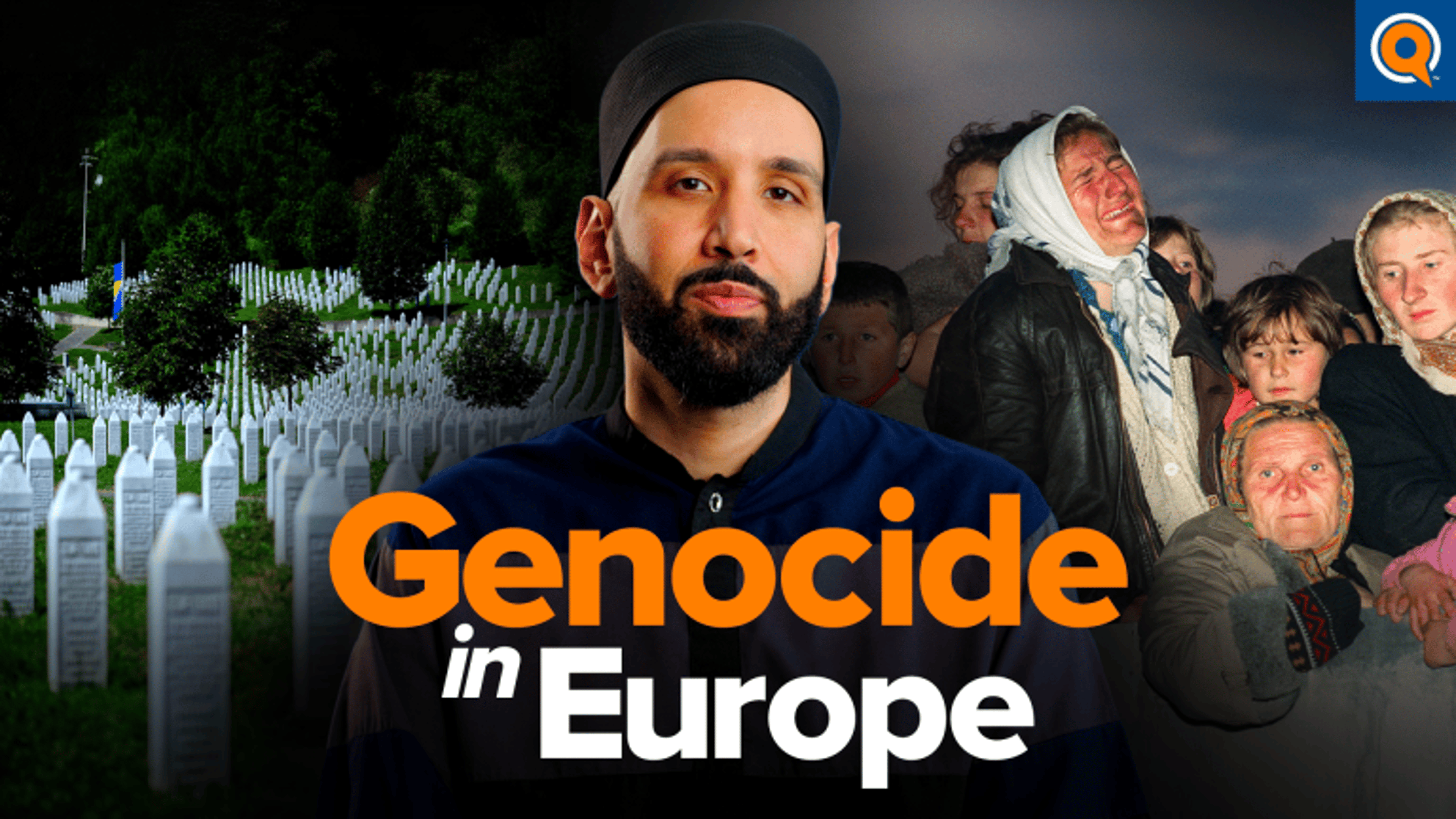
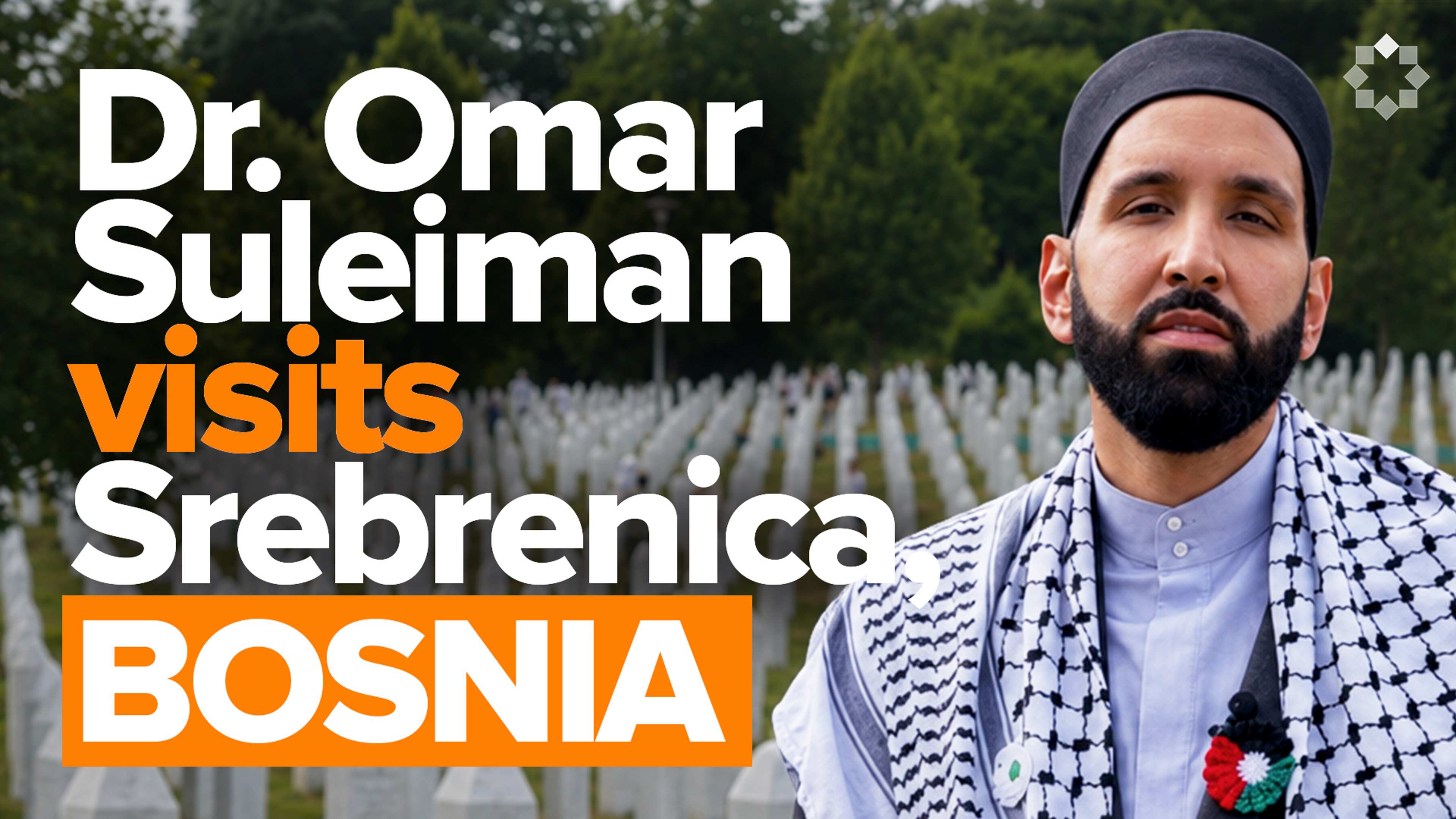
In July 1995, more than 8,000 Bosnian Muslim men and boys were executed after Srebrenica, a United Nations-declared "safe zone," fell to Bosnian Serb forces. Recognized as genocide by international courts, it remains the worst atrocity on European soil since the Holocaust.
In this documentary, Dr. Omar Suleiman travels from Sarajevo to Srebrenica, where the scars of genocide remain etched into the landscape and the lives of those who survived it. Through the stories of those left behind, we remember what happened, examine what justice looks like decades later, and ask what Bosnia's past can teach us as many witness similar horrors unfolding in Gaza today.
This transcript was auto-generated using AI and may contain misspellings.
00:00The greatest way to honor your martyrs is not to memorialize them.
00:11The greatest way to honor your martyrs is to live for what they died for. In July 1995, Srebrenica's declared United Nations safe zone was overrun.
00:22More than 8,000 Muslim men and boys were executed in just days. It was the worst atrocity in Europe since the Holocaust.
00:29It gives a whole new meaning to the idea of, until you've walked a mile in his shoes,
00:39look down at your own shoes and you stand next to them, and you realize there is absolutely nothing that distinguishes you from them.
00:49These people were slaughtered in cold blood because they were Muslims, nothing else. A child that was killed has no idea why she would be killed.
01:00You can hear the shouts in the background, one of the most painful videos that I remembered from the genocide and how long they had this voice playing in the background was the father
01:13that was forced at gunpoint to call his son down from the woods to be killed and told that he would be safe.
01:25I am a dove! Who are you calling a dove? A dove! Fuck a dove, call it a Serb! A Serb!
01:38That's right, call it a Serb! Serbs are free!
01:55Serbs are free! Come on down, I am down, we are free like a Serb! Everyone, come on!
02:17Serbs! Serbs are free! Come on down, I am down, we are free like a Serb! Everyone, come on!
02:35Serbs! Come on down, I am down, we are free like a Serb!
02:47Serbs are free!
03:17That man's voice, wallahi, it lives. These are the shuhada from the imams, may Allah have mercy on them.
03:34Hazem, Ismail, Mohamed, Tawfiq, Hafiz, Asad, Sidiq, Suleiman,
03:47Ayub, Alhamdulillah, Alhamdulillah.
03:57Subhanallah, so they have, for every one of these imams, they have the masjids, and they have their grief.
04:11Serbs destroyed, I think over 1,300 masjids. Serbs destroyed, This imam is only 20 years old.
04:25Alhamdulillah.
04:41Mushaf, Subhanallah, when you think about the mushaf of a person testifying for them on the Day of Judgment, you look at the pages of this mushaf, you can tell that this was a person who used to read the Qur'an frequently.
04:56Surah Yasin. It's a reminder to us not to show up late and leave early. And we do that way too often, and Allah subhanahu wa ta'ala charges us with so much more. This is what happens when international law fails you.
05:13These so-called systems that are supposed to protect you do nothing for you. Unfortunately, Bosnia has a story of late arrivals and early departures. The elements of the genocide are still present in the air.
05:25And we can't take our eyes off of these people, because I think there is a prevailing sentiment that it's only a matter of time. Subhanallah, the same people that committed these horrific crimes, many of them went right back into living in the homes next door.
05:39If you look in all these old pictures, you see Pazi Snajper, Pazi Snajper. Pazi Snajper. And you see all of these people that have been gunned down. These words actually mean watch out sniper.
05:54So, subhanallah, you see the images in Gaza, the death traps, the hunger traps, where they don't even need the sophisticated weaponry anymore to murder people en masse.
06:06They just shoot them for play as they come to get their food. And you see history repeating itself. These images might as well be of Gaza today.
06:16In front of this house, 12 persons were killed, including women and children. And also they were just like killing, killing, slaughtering people in their houses, in front of their houses.
06:33And then we were in the forest.
06:46That village was all put on fire. Only one house was left.
06:59When the Croat army left the village, from that house people came to the forest and we found each other in the forest. When we met there, we heard who was killed, who was missing.
07:35People also tend to ask how we get over this. You never get over this.
07:53It's the pain you carry for the rest of your life. I always say it. It's a purse full of emotions.
08:03And we just go day by day. We have our good and bad days. When those come, they're very painful.
08:14But life has to move on. We have to live and raise our kids. And preserve the memory of my father and many other family members and our Srebrenica shahids.
08:26And I always want to give a last message. Never forget Srebrenica.
08:41This is what they tried to stop here. They tried to stop the call of Islam. And look, everywhere you look in this beautiful city, even though the bullet holes are still present,
08:52even though the pain is still here, you hear Allahu Akbar, Allahu Akbar everywhere.
09:05Sometimes it's really better not to say anything.
09:16And these people were slaughtered in cold blood because they were Muslims. Nothing else.
09:22I wish we had more time. I wish he had a chance to see his grandkids. People often ask me, what was your father like?
09:37I was only ten and a half years old, so I can't tell much.
09:52We just completed the janahs of the fresh graves here in Srebrenica. Subhanallah, the most powerful line that will stick with me today is, not all of us are able to find bones.
10:05And it was from a mother. Not all of us are able to find bones. And it was from a mother. And it was from a mother. And it was from a mother. And it was from a mother. And it was from a mother.
10:17Subhanallah, the most powerful line that will stick with me today is, not all of us are able to find bones. And it was from a mother. Not all of us are able to find bones. You think about the fact that you have a 20-year-old, a 19-year-old.
10:30They were 19 and 20 when they were martyred, and they're being buried 30 years later, and they're not whole bodies. And you think about Gaza right now, and people trying to find their loved ones through a tooth or through a finger or whatever it is,
10:44here's your deceased one, here's your loved one. You know, subhanallah, this is very, very fresh. We grew up with this scene right here. This used to be on our TVs. I remember this growing up, always. This was the scene of Srebrenica.
10:59Families grieving over their loved ones. Look, they're still grieving, but new graves still being opened. It's a reminder to us not to show up late and leave early. And we do that way too often. And Allah subhanahu wa ta'ala charges us with so much more.
11:14If the only thing you get out of having witnessed this from afar is to remember your brothers and sisters in Bosnia, to make du'a for them, and to think about the long-term effects of genocide, just as we've been talking about what precedes genocide,
11:27let's talk about post-genocide as well, and the trauma and the scars, and how we need to be there for people. So may Allah have mercy on these victims, and may Allah 'azza wa jal have mercy on all the victims around the world. May Allah subhanahu wa ta'ala accept the shuhada everywhere.
11:40May Allah subhanahu wa ta'ala join these families together, the ones that are grieving over their loved ones, subhanallah, sitting next to the graves. You can imagine they come here frequently. May Allah unite them all. Allahumma ameen.
11:54Jazakum Allah khair. Wa alaikum assalam wa rahmatullahi wa barakatuh.