fbpixel
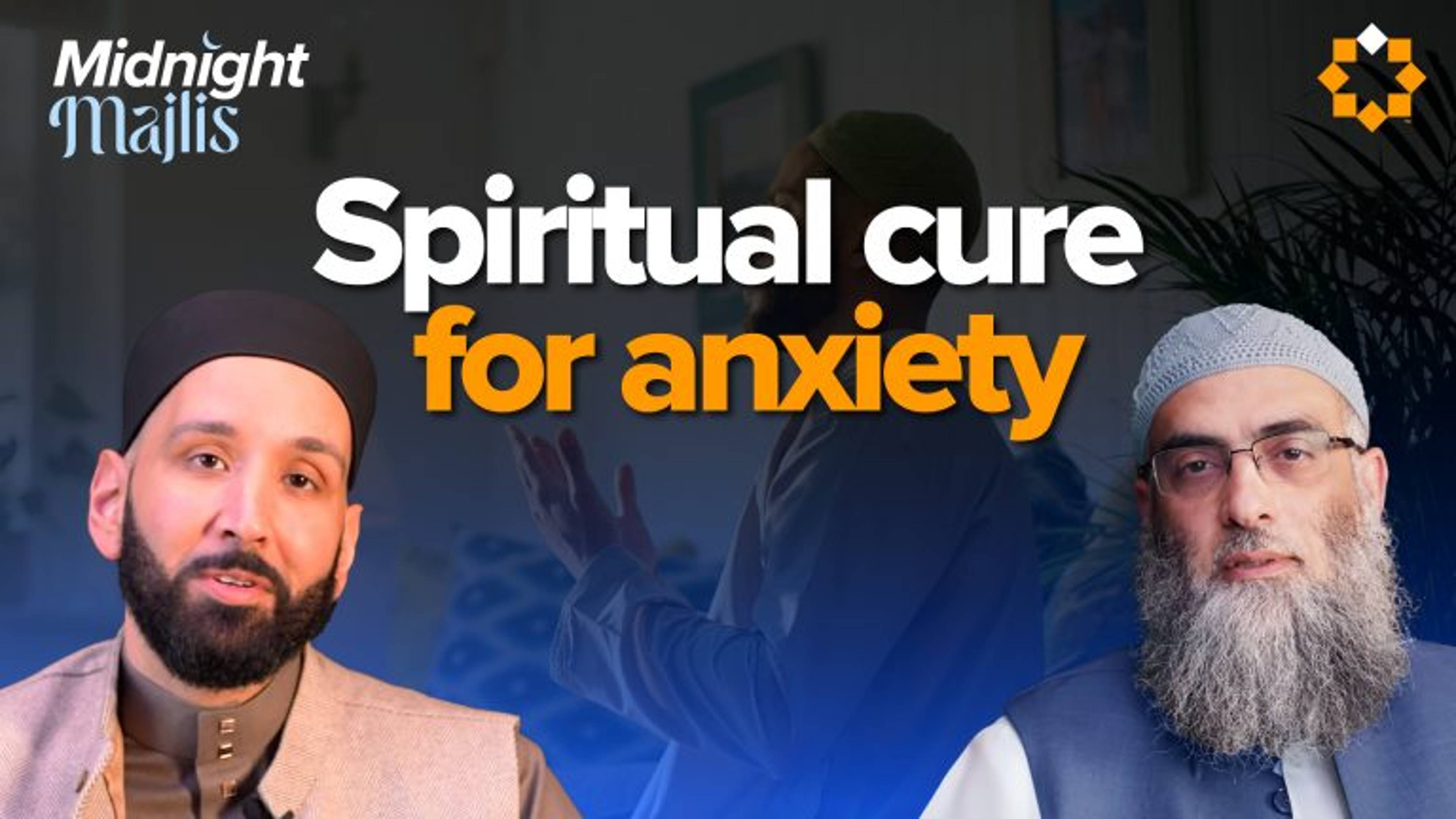
How to Become A Great Person | Midnight Majlis

Midnight Majlis

How to Become A Great Person | Midnight Majlis

The end of Ramadan is a time to redouble your efforts. Pray more, fast more—give more. 

Why do you keep falling into the same bad habits? Dr. Omar Suleiman and Sh. Yaser Birjas explore Ibn Hazm (rh)’s raw guide to treating corrupt character—how to spot it, fight it, and finally change.

This transcript was auto-generated using AI and may contain misspellings.
00:00As-salamu alaykum wa rahmatullahi wa barakatuhu. Wa alaykum as-salamu wa rahmatullahi wa barakatuhu. Alhamdulillah, Rabbil Alameen, sallallahu wasallam wa barakatuhu to our Prophet Muhammad and his family and companions, and peace be upon him and many others. We welcome you again to the 29th of this beautiful month of Ramadan.
00:14May Allah subhanahu wa ta'ala make us among those who will be granted the full reward of the Night of Qadr, O Lord of the worlds. Here, from the Valiant Islamic Center all the way in Irving, Texas, with Sheikh Omar Suleiman,
00:24as we have this beautiful majlis on the book of Imam Ibn Hazm, may Allah have mercy on him, Al-Akhlaq wa as-Sir, morals and behaviors. So those who are following with us, we are reading right now from chapter 9 on practical morality on page 49,
00:38insha'Allah, in the English translation. And in the Arabic text, it's Faslun Fima Ta'amalun Nasubihi Wa Fil Akhlaq. So if you guys remember, you followed the sequence of these chapters as we were studying it together.
00:51Right now, Rahimahu Allah ta'ala, he's going to be speaking on, you could say, more like coming to the final, final chapters. So he's now trying to summarize as much of his experience as possible on these different topics.
01:04So that's why he's now focusing on something that's very pragmatic, basically etiquettes or akhlaq or manners. So he began by talking about how to be genuine, how to be authentic, what does it mean to be smart, what does it mean to be this,
01:17what virtues have been meant, how to define those virtues. So he's speaking on this subject, Rahimahu Allah ta'ala, in this chapter, insha'Allah ta'ala. So as we were speaking earlier on this chapter, the very beginning of the chapter is very interesting.
01:30It really speaks so much about something that we unfortunately in our time today, people are struggling with. Because of the social pressure and the social circles that you have to belong to, being part of.
01:43It's so exhausting to many people, even Hazm, Rahimahu Allah, he's talking about this, one of those negative traits of it. So bismillah, let's begin with that discussion.
02:21 barakatuhu, wa rahmatullahi wa barakatuhu, wa rahmatullahi wa barakatuhu, wa rahmatullahi wa barakatuhu, wa rahmatullahi wa barakatuhu, wa rahmatullahi wa barakatuhu, wa rahmatullahi
02:35 wa barakatuhu, wa rahmatullahi wa barakatuhu, wa rahmatullahi wa barakatuhu, wa rahmatullahi wa barakatuhu, wa rahmatullahi wa barakatuhu, wa rahmatullahi wa barakatuhu, wa rahmatullahi
02:49 wa barakatuhu, wa rahmatullahi wa barakatuhu, wa rahmatullahi wa barakatuhu, wa rahmatullahi wa barakatuhu, wa rahmatullahi wa barakatuhu, wa rahmatullahi wa barakatuhu, wa rahmatullahi
03:03 wa barakatuhu, wa rahmatullahi wa barakatuhu, wa rahmatullahi wa barakatuhu, wa rahmatullahi wa barakatuhu, wa rahmatullahi wa barakatuhu, wa rahmatullahi wa barakatuhu, wa rahmatullahi
03:17 wa barakatuhu, wa rahmatullahi wa barakatuhu, wa rahmatullahi wa barakatuhu, wa rahmatullahi wa barakatuhu, wa rahmatullahi wa barakatuhu, wa rahmatullahi wa barakatuhu, wa rahmatullahi
03:31 wa barakatuhu, wa rahmatullahi wa barakatuhu, wa rahmatullahi wa barakatuhu, wa rahmatullahi wa barakatuhu, wa rahmatullahi wa barakatuhu, wa rahmatullahi wa barakatuhu, wa rahmatullahi
03:47 wa barakatuhu, wa rahmatullahi wa barakatuhu, wa rahmatullahi wa barakatuhu, wa rahmatullahi wa barakatuhu, wa rahmatullahi wa barakatuhu, wa rahmatullahi wa barakatuhu, wa rahmatullahi
04:01 wa barakatuhu, wa rahmatullahi wa barakatuhu, wa rahmatullahi wa barakatuhu, wa rahmatullahi wa barakatuhu, wa rahmatullahi wa barakatuhu, wa rahmatullahi wa barakatuhu, wa rahmatullahi
04:15 wa barakatuhu, wa rahmatullahi wa barakatuhu, wa rahmatullahi wa barakatuhu, wa rahmatullahi wa barakatuhu, wa rahmatullahi wa barakatuhu, wa rahmatullahi wa barakatuhu, wa rahmatullahi
04:29 wa barakatuhu, wa rahmatullahi wa barakatuhu, wa rahmatullahi wa barakatuhu, wa rahmatullahi wa barakatuhu, wa rahmatullahi wa barakatuhu, wa rahmatullahi wa barakatuhu, wa rahmatullahi
04:39 wa barakatuhu, wa rahmatullahi wa barakatuhu, wa rahmatullahi wa barakatuhu, wa rahmatullahi wa barakatuhu, wa rahmatullahi wa barakatuhu, wa rahmatullahi wa barakatuhu, wa rahmatullahi wa barakatuhu, wa rahmatullahi wa barakatuhu, wa rahmatullahi wa barakatuhu, wa rahmatullahi wa barakatuhu, wa rahmatullahi wa barakatuhu, wa rahmatullahi wa barakatuhu, wa rahmatullahi
04:53 wa barakatuhu, wa rahmatullahi wa barakatuhu, wa rahmatullahi wa barakatuhu, wa rahmatullahi wa barakatuhu, wa rahmatullahi wa barakatuhu, wa rahmatullahi wa barakatuhu, wa rahmatullahi wa barakatuhu, wa rahmatullahi wa barakatuhu, wa rahmatullahi wa barakatuhu, wa rahmatullahi wa barakatuhu, wa rahmatullahi wa barakatuhu, wa rahmatullahi wa barakatuhu, wa rahmatullahi
05:06 wa barakatuhu, wa rahmatullahi wa barakatuhu, wa rahmatullahi wa barakatuhu, wa rahmatullahi wa barakatuhu, wa rahmatullahi wa barakatuhu, wa rahmatullahi wa barakatuhu, wa rahmatullahi wa barakatuhu, wa rahmatullahi wa barakatuhu, wa rahmatullahi wa barakatuhu, wa rahmatullahi wa barakatuhu, wa rahmatullahi wa barakatuhu, wa rahmatullahi wa barakatuhu, wa rahmatullahi
05:18 wa barakatuhu, wa rahmatullahi wa barakatuhu, wa rahmatullahi wa barakatuhu, wa rahmatullahi wa barakatuhu, wa rahmatullahi wa barakatuhu, wa rahmatullahi wa barakatuhu, wa rahmatullahi wa barakatuhu, wa rahmatullahi wa barakatuhu, wa rahmatullahi wa barakatuhu, wa rahmatullahi wa barakatuhu, wa rahmatullahi wa barakatuhu, wa rahmatullahi wa barakatuhu, wa rahmatullahi wa barakatuhu, wa rahmatullahi wa barakatuhu, wa rahmatullahi wa barakatuhu, wa rahmatullahi wa barakatuhu, wa rahmatullahi wa barakatuhu, wa rahmatullahi wa barakatuhu, wa rahmatullahi wa barakatuhu, wa rahmatullahi wa barakatuhu, wa rahmatullahi wa barakatuhu, wa rahmatullahi
05:30 wa barakatuhu, wa rahmatullahi wa barakatuhu, wa rahmatullahi wa barakatuhu, wa rahmatullahi
05:41 wa barakatuhu, wa rahmatullahi wa barakatuhu, wa rahmatullahi wa barakatuhu, wa rahmatullahi
05:49 wa barakatuhu, wa rahmatullahi wa barakatuhu, wa rahmatullahi wa barakatuhu, wa rahmatullahi
05:59 wa barakatuhu, wa rahmatullahi wa barakatuhu, wa rahmatullahi wa barakatuhu, wa rahmatullahi wa barakatuhu, wa rahmatullahi wa barakatuhu, wa rahmatullahi wa barakatuhu, wa rahmatullahi wa barakatuhu, wa rahmatullahi wa barakatuhu, wa rahmatullahi wa barakatuhu, wa rahmatullahi
06:12 wa barakatuhu, wa rahmatullahi wa barakatuhu, wa rahmatullahi wa barakatuhu, wa rahmatullahi wa barakatuhu, wa rahmatullahi wa barakatuhu, wa rahmatullahi wa barakatuhu, wa rahmatullahi wa barakatuhu, wa rahmatullahi wa barakatuhu, wa rahmatullahi wa barakatuhu, wa rahmatullahi
06:25 wa barakatuhu, wa rahmatullahi wa barakatuhu, wa rahmatullahi wa barakatuhu, wa rahmatullahi wa barakatuhu, wa rahmatullahi wa barakatuhu, wa rahmatullahi wa barakatuhu, wa rahmatullahi wa barakatuhu, wa rahmatullahi wa barakatuhu, wa rahmatullahi wa barakatuhu, wa rahmatullahi
06:37 wa barakatuhu, wa rahmatullahi wa barakatuhu, wa rahmatullahi wa barakatuhu, wa rahmatullahi wa barakatuhu, wa rahmatullahi wa barakatuhu, wa rahmatullahi wa barakatuhu, wa rahmatullahi wa barakatuhu, wa rahmatullahi wa barakatuhu, wa rahmatullahi wa barakatuhu, wa rahmatullahi
06:49 wa barakatuhu, wa rahmatullahi wa barakatuhu, wa rahmatullahi wa barakatuhu, wa rahmatullahi wa barakatuhu, wa rahmatullahi wa barakatuhu, wa rahmatullahi wa barakatuhu, wa rahmatullahi wa barakatuhu, wa rahmatullahi wa barakatuhu, wa rahmatullahi wa barakatuhu, wa rahmatullahi
07:01 wa barakatuhu, wa rahmatullahi wa barakatuhu, wa rahmatullahi wa barakatuhu, wa rahmatullahi wa barakatuhu, wa rahmatullahi wa barakatuhu, wa rahmatullahi wa barakatuhu, wa rahmatullahi wa barakatuhu, wa rahmatullahi wa barakatuhu, wa rahmatullahi wa barakatuhu, wa rahmatullahi
07:13 wa barakatuhu, wa rahmatullahi wa barakatuhu, wa rahmatullahi wa barakatuhu, wa rahmatullahi wa barakatuhu, wa rahmatullahi wa barakatuhu, wa rahmatullahi wa barakatuhu, wa rahmatullahi wa barakatuhu, wa rahmatullahi wa barakatuhu, wa rahmatullahi wa barakatuhu, wa rahmatullahi
07:25 wa barakatuhu, wa rahmatullahi wa barakatuhu, wa rahmatullahi wa barakatuhu, wa rahmatullahi wa barakatuhu, wa rahmatullahi wa barakatuhu, wa rahmatullahi wa barakatuhu, wa rahmatullahi wa barakatuhu, wa rahmatullahi wa barakatuhu, wa rahmatullahi wa barakatuhu, wa rahmatullahi
07:37 wa barakatuhu, wa rahmatullahi wa barakatuhu, wa rahmatullahi wa barakatuhu, wa rahmatullahi wa barakatuhu, wa rahmatullahi wa barakatuhu, wa rahmatullahi wa barakatuhu, wa rahmatullahi wa barakatuhu, wa rahmatullahi wa barakatuhu, wa rahmatullahi wa barakatuhu, wa rahmatullahi
07:49 wa barakatuhu, wa rahmatullahi wa barakatuhu, wa rahmatullahi wa barakatuhu, wa rahmatullahi wa barakatuhu, wa rahmatullahi wa barakatuhu, wa rahmatullahi wa barakatuhu, wa rahmatullahi wa barakatuhu, wa rahmatullahi wa barakatuhu, wa rahmatullahi wa barakatuhu, wa rahmatullahi
08:01 wa barakatuhu, wa rahmatullahi wa barakatuhu, wa rahmatullahi wa barakatuhu, wa rahmatullahi wa barakatuhu, wa rahmatullahi wa barakatuhu, wa rahmatullahi wa barakatuhu, wa rahmatullahi wa barakatuhu, wa rahmatullahi wa barakatuhu, wa rahmatullahi wa barakatuhu, wa rahmatullahi
08:13 wa barakatuhu, wa rahmatullahi wa barakatuhu, wa rahmatullahi wa barakatuhu, wa rahmatullahi wa barakatuhu, wa rahmatullahi wa barakatuhu, wa rahmatullahi wa barakatuhu, wa rahmatullahi wa barakatuhu, wa rahmatullahi wa barakatuhu, wa rahmatullahi wa barakatuhu, wa rahmatullahi
08:25 wa barakatuhu, wa rahmatullahi wa barakatuhu, wa rahmatullahi wa barakatuhu, wa rahmatullahi wa barakatuhu, wa rahmatullahi wa barakatuhu, wa rahmatullahi wa barakatuhu, wa rahmatullahi wa barakatuhu, wa rahmatullahi wa barakatuhu, wa rahmatullahi wa barakatuhu, wa rahmatullahi
08:37 wa barakatuhu, wa rahmatullahi wa barakatuhu, wa rahmatullahi wa barakatuhu, wa rahmatullahi wa barakatuhu, wa rahmatullahi wa barakatuhu, wa rahmatullahi wa barakatuhu, wa rahmatullahi wa barakatuhu, wa rahmatullahi wa barakatuhu, wa rahmatullahi wa barakatuhu, wa rahmatullahi
08:49 wa barakatuhu, wa rahmatullahi wa barakatuhu, wa rahmatullahi wa barakatuhu, wa rahmatullahi wa barakatuhu, wa rahmatullahi wa barakatuhu, wa rahmatullahi wa barakatuhu, wa rahmatullahi wa barakatuhu, wa rahmatullahi wa barakatuhu, wa rahmatullahi wa barakatuhu, wa rahmatullahi
09:01 wa barakatuhu, wa rahmatullahi wa barakatuhu, wa rahmatullahi wa barakatuhu, wa rahmatullahi wa barakatuhu, wa rahmatullahi wa barakatuhu, wa rahmatullahi wa barakatuhu, wa rahmatullahi wa barakatuhu, wa rahmatullahi wa barakatuhu, wa rahmatullahi wa barakatuhu, wa rahmatullahi
09:13 wa barakatuhu, wa rahmatullahi wa barakatuhu, wa rahmatullahi wa barakatuhu, wa rahmatullahi wa barakatuhu, wa rahmatullahi wa barakatuhu, wa rahmatullahi wa barakatuhu, wa rahmatullahi wa barakatuhu, wa rahmatullahi wa barakatuhu, wa rahmatullahi wa barakatuhu, wa rahmatullahi
09:25 wa barakatuhu, wa rahmatullahi wa barakatuhu, wa rahmatullahi wa barakatuhu, wa rahmatullahi wa barakatuhu, wa rahmatullahi wa barakatuhu, wa rahmatullahi wa barakatuhu, wa rahmatullahi wa barakatuhu, wa rahmatullahi wa barakatuhu, wa rahmatullahi wa barakatuhu, wa rahmatullahi
09:37 wa barakatuhu, wa rahmatullahi wa barakatuhu, wa rahmatullahi wa barakatuhu, wa rahmatullahi wa barakatuhu, wa rahmatullahi wa barakatuhu, wa rahmatullahi wa barakatuhu, wa rahmatullahi wa barakatuhu, wa rahmatullahi wa barakatuhu, wa rahmatullahi wa barakatuhu, wa rahmatullahi
09:49 wa barakatuhu, wa rahmatullahi wa barakatuhu, wa rahmatullahi wa barakatuhu, wa rahmatullahi wa barakatuhu, wa rahmatullahi wa barakatuhu, wa rahmatullahi wa barakatuhu, wa rahmatullahi wa barakatuhu, wa rahmatullahi wa barakatuhu, wa rahmatullahi wa barakatuhu, wa rahmatullahi
10:01 wa barakatuhu, wa rahmatullahi wa barakatuhu, wa rahmatullahi wa barakatuhu, wa rahmatullahi wa barakatuhu, wa rahmatullahi wa barakatuhu, wa rahmatullahi wa barakatuhu, wa rahmatullahi wa barakatuhu, wa rahmatullahi wa barakatuhu, wa rahmatullahi wa barakatuhu, wa rahmatullahi
10:13 wa barakatuhu, wa rahmatullahi wa barakatuhu, wa rahmatullahi wa barakatuhu, wa rahmatullahi wa barakatuhu, wa rahmatullahi wa barakatuhu, wa rahmatullahi wa barakatuhu, wa rahmatullahi wa barakatuhu, wa rahmatullahi wa barakatuhu, wa rahmatullahi wa barakatuhu, wa rahmatullahi
10:25 wa barakatuhu, wa rahmatullahi wa barakatuhu, wa rahmatullahi wa barakatuhu, wa rahmatullahi wa barakatuhu, wa rahmatullahi wa barakatuhu, wa rahmatullahi wa barakatuhu, wa rahmatullahi wa barakatuhu, wa rahmatullahi wa barakatuhu, wa rahmatullahi wa barakatuhu, wa rahmatullahi
10:37 wa barakatuhu, wa rahmatullahi wa barakatuhu, wa rahmatullahi wa barakatuhu, wa rahmatullahi wa barakatuhu, wa rahmatullahi wa barakatuhu, wa rahmatullahi wa barakatuhu, wa rahmatullahi wa barakatuhu, wa rahmatullahi wa barakatuhu, wa rahmatullahi wa barakatuhu, wa rahmatullahi
10:49 wa barakatuhu, wa rahmatullahi wa barakatuhu, wa rahmatullahi wa barakatuhu, wa rahmatullahi wa barakatuhu, wa rahmatullahi wa barakatuhu, wa rahmatullahi wa barakatuhu, wa rahmatullahi wa barakatuhu, wa rahmatullahi wa barakatuhu, wa rahmatullahi wa barakatuhu, wa rahmatullahi
11:01 wa barakatuhu, wa rahmatullahi wa barakatuhu, wa rahmatullahi wa barakatuhu, wa rahmatullahi wa barakatuhu, wa rahmatullahi wa barakatuhu, wa rahmatullahi wa barakatuhu, wa rahmatullahi wa barakatuhu, wa rahmatullahi wa barakatuhu, wa rahmatullahi wa barakatuhu, wa rahmatullahi
11:13 wa barakatuhu, wa rahmatullahi wa barakatuhu, wa rahmatullahi wa barakatuhu, wa rahmatullahi wa barakatuhu, wa rahmatullahi wa barakatuhu, wa rahmatullahi wa barakatuhu, wa rahmatullahi wa barakatuhu, wa rahmatullahi wa barakatuhu, wa rahmatullahi wa barakatuhu, wa rahmatullahi
11:27 wa barakatuhu, wa rahmatullahi wa barakatuhu, wa rahmatullahi wa barakatuhu, wa rahmatullahi wa barakatuhu, wa rahmatullahi wa barakatuhu, wa rahmatullahi wa barakatuhu, wa rahmatullahi wa barakatuhu, wa rahmatullahi wa barakatuhu, wa rahmatullahi wa barakatuhu, wa rahmatullahi
11:39wa barakatuhu, wa rahmatullahi wa barakatuhu, wa rahmatullahi wa barakatuhu, wa rahmatullahi wa barakatuhu, wa rahmatullahi wa barakatuhu, wa rahmatullahi wa barakatuhu, wa rahmatullahi wa barakatuhu, wa rahmatullahi wa barakatuhu, wa rahmatullahi wa barakatuhu, wa rahmatullahi
11:51wa barakatuhu, wa rahmatullahi wa barakatuhu, wa rahmatullahi wa barakatuhu, wa rahmatullahi wa barakatuhu, wa rahmatullahi wa barakatuhu, wa rahmatullahi wa barakatuhu, wa rahmatullahi wa barakatuhu, wa rahmatullahi wa barakatuhu, wa rahmatullahi wa barakatuhu, wa rahmatullahi
12:03wa barakatuhu, wa rahmatullahi wa barakatuhu, wa rahmatullahi wa barakatuhu, wa rahmatullahi wa barakatuhu, wa rahmatullahi wa barakatuhu, wa rahmatullahi wa barakatuhu, wa rahmatullahi wa barakatuhu, wa rahmatullahi wa barakatuhu, wa rahmatullahi wa barakatuhu, wa rahmatullahi
12:15wa barakatuhu, wa rahmatullahi wa barakatuhu, wa rahmatullahi wa barakatuhu, wa rahmatullahi wa barakatuhu, wa rahmatullahi wa barakatuhu, wa rahmatullahi wa barakatuhu, wa rahmatullahi wa barakatuhu, wa rahmatullahi wa barakatuhu, wa rahmatullahi wa barakatuhu, wa rahmatullahi
12:27wa barakatuhu, wa rahmatullahi wa barakatuhu, wa rahmatullahi wa barakatuhu, wa rahmatullahi wa barakatuhu, wa rahmatullahi wa barakatuhu, wa rahmatullahi wa barakatuhu, wa rahmatullahi wa barakatuhu, wa rahmatullahi wa barakatuhu, wa rahmatullahi wa barakatuhu, wa rahmatullahi
12:39wa barakatuhu, wa rahmatullahi wa barakatuhu, wa rahmatullahi wa barakatuhu, wa rahmatullahi wa barakatuhu, wa rahmatullahi wa barakatuhu, wa rahmatullahi wa barakatuhu, wa rahmatullahi wa barakatuhu, wa rahmatullahi wa barakatuhu, wa rahmatullahi wa barakatuhu, wa rahmatullahi
12:51wa barakatuhu, wa rahmatullahi wa barakatuhu, wa rahmatullahi wa barakatuhu, wa rahmatullahi wa barakatuhu, wa rahmatullahi wa barakatuhu, wa rahmatullahi wa barakatuhu, wa rahmatullahi wa barakatuhu, wa rahmatullahi wa barakatuhu, wa rahmatullahi wa barakatuhu, wa rahmatullahi
13:03wa barakatuhu, wa rahmatullahi wa barakatuhu, wa rahmatullahi wa barakatuhu, wa rahmatullahi wa barakatuhu, wa rahmatullahi wa barakatuhu, wa rahmatullahi wa barakatuhu, wa rahmatullahi wa barakatuhu, wa rahmatullahi wa barakatuhu, wa rahmatullahi wa barakatuhu, wa rahmatullahi
13:15wa barakatuhu, wa rahmatullahi wa barakatuhu, wa rahmatullahi wa barakatuhu, wa rahmatullahi wa barakatuhu, wa rahmatullahi wa barakatuhu, wa rahmatullahi wa barakatuhu, wa rahmatullahi wa barakatuhu, wa rahmatullahi wa barakatuhu, wa rahmatullahi wa barakatuhu, wa rahmatullahi
13:27wa barakatuhu, wa rahmatullahi wa barakatuhu, wa rahmatullahi wa barakatuhu, wa rahmatullahi wa barakatuhu, wa rahmatullahi wa barakatuhu, wa rahmatullahi wa barakatuhu, wa rahmatullahi wa barakatuhu, wa rahmatullahi wa barakatuhu, wa rahmatullahi wa barakatuhu, wa rahmatullahi
13:39wa barakatuhu, wa rahmatullahi wa barakatuhu, wa rahmatullahi wa barakatuhu, wa rahmatullahi wa barakatuhu, wa rahmatullahi wa barakatuhu, wa rahmatullahi wa barakatuhu, wa rahmatullahi wa barakatuhu, wa rahmatullahi wa barakatuhu, wa rahmatullahi wa barakatuhu, wa rahmatullahi
13:51wa barakatuhu, wa rahmatullahi wa barakatuhu, wa rahmatullahi wa barakatuhu, wa rahmatullahi wa barakatuhu, wa rahmatullahi wa barakatuhu, wa rahmatullahi wa barakatuhu, wa rahmatullahi wa barakatuhu, wa rahmatullahi wa barakatuhu, wa rahmatullahi wa barakatuhu, wa rahmatullahi
14:03wa barakatuhu, wa rahmatullahi wa barakatuhu, wa rahmatullahi wa barakatuhu, wa rahmatullahi wa barakatuhu, wa rahmatullahi wa barakatuhu, wa rahmatullahi wa barakatuhu, wa rahmatullahi wa barakatuhu, wa rahmatullahi wa barakatuhu, wa rahmatullahi wa barakatuhu, wa rahmatullahi
14:15wa barakatuhu, wa rahmatullahi wa barakatuhu, wa rahmatullahi wa barakatuhu, wa rahmatullahi wa barakatuhu, wa rahmatullahi wa barakatuhu, wa rahmatullahi wa barakatuhu, wa rahmatullahi wa barakatuhu, wa rahmatullahi wa barakatuhu, wa rahmatullahi wa barakatuhu, wa rahmatullahi
14:27wa barakatuhu, wa rahmatullahi wa barakatuhu, wa rahmatullahi wa barakatuhu, wa rahmatullahi wa barakatuhu, wa rahmatullahi wa barakatuhu, wa rahmatullahi wa barakatuhu, wa rahmatullahi wa barakatuhu, wa rahmatullahi wa barakatuhu, wa rahmatullahi wa barakatuhu, wa rahmatullahi
14:39wa barakatuhu, wa rahmatullahi wa barakatuhu, wa rahmatullahi wa barakatuhu, wa rahmatullahi wa barakatuhu, wa rahmatullahi wa barakatuhu, wa rahmatullahi wa barakatuhu, wa rahmatullahi wa barakatuhu, wa rahmatullahi wa barakatuhu, wa rahmatullahi wa barakatuhu, wa rahmatullahi
14:51wa barakatuhu, wa rahmatullahi wa barakatuhu, wa rahmatullahi wa barakatuhu, wa rahmatullahi wa barakatuhu, wa rahmatullahi wa barakatuhu, wa rahmatullahi wa barakatuhu, wa rahmatullahi wa barakatuhu, wa rahmatullahi wa barakatuhu, wa rahmatullahi wa barakatuhu, wa rahmatullahi
15:03wa barakatuhu, wa rahmatullahi wa barakatuhu, wa rahmatullahi wa barakatuhu, wa rahmatullahi wa barakatuhu, wa rahmatullahi wa barakatuhu, wa rahmatullahi wa barakatuhu, wa rahmatullahi wa barakatuhu, wa rahmatullahi wa barakatuhu, wa rahmatullahi wa barakatuhu, wa rahmatullahi
15:15wa barakatuhu, wa rahmatullahi wa barakatuhu, wa rahmatullahi wa barakatuhu, wa rahmatullahi wa barakatuhu, wa rahmatullahi wa barakatuhu, wa rahmatullahi wa barakatuhu, wa rahmatullahi wa barakatuhu, wa rahmatullahi wa barakatuhu, wa rahmatullahi wa barakatuhu, wa rahmatullahi
15:27wa barakatuhu, wa rahmatullahi wa barakatuhu, wa rahmatullahi wa barakatuhu, wa rahmatullahi wa barakatuhu, wa rahmatullahi wa barakatuhu, wa rahmatullahi wa barakatuhu, wa rahmatullahi wa barakatuhu, wa rahmatullahi wa barakatuhu, wa rahmatullahi wa barakatuhu, wa rahmatullahi
15:39wa barakatuhu, wa rahmatullahi wa barakatuhu, wa rahmatullahi wa barakatuhu, wa rahmatullahi wa barakatuhu, wa rahmatullahi wa barakatuhu, wa rahmatullahi wa barakatuhu, wa rahmatullahi wa barakatuhu, wa rahmatullahi wa barakatuhu, wa rahmatullahi wa barakatuhu, wa rahmatullahi
15:51wa barakatuhu, wa rahmatullahi wa barakatuhu, wa rahmatullahi wa barakatuhu, wa rahmatullahi wa barakatuhu, wa rahmatullahi wa barakatuhu, wa rahmatullahi wa barakatuhu, wa rahmatullahi wa barakatuhu, wa rahmatullahi wa barakatuhu, wa rahmatullahi wa barakatuhu, wa rahmatullahi
16:03wa barakatuhu, wa rahmatullahi wa barakatuhu, wa rahmatullahi wa barakatuhu, wa rahmatullahi wa barakatuhu, wa rahmatullahi wa barakatuhu, wa rahmatullahi wa barakatuhu, wa rahmatullahi wa barakatuhu, wa rahmatullahi wa barakatuhu, wa rahmatullahi wa barakatuhu, wa rahmatullahi
16:15wa barakatuhu, wa rahmatullahi wa barakatuhu, wa rahmatullahi wa barakatuhu, wa rahmatullahi wa barakatuhu, wa rahmatullahi wa barakatuhu, wa rahmatullahi wa barakatuhu, wa rahmatullahi wa barakatuhu, wa rahmatullahi wa barakatuhu, wa rahmatullahi wa barakatuhu, wa rahmatullahi
16:27wa barakatuhu, wa rahmatullahi wa barakatuhu, wa rahmatullahi wa barakatuhu, wa rahmatullahi wa barakatuhu, wa rahmatullahi wa barakatuhu, wa rahmatullahi wa barakatuhu, wa rahmatullahi wa barakatuhu, wa rahmatullahi wa barakatuhu, wa rahmatullahi wa barakatuhu, wa rahmatullahi
16:41wa barakatuhu, wa rahmatullahi wa barakatuhu, wa rahmatullahi wa barakatuhu, wa rahmatullahi wa barakatuhu, wa rahmatullahi wa barakatuhu, wa rahmatullahi wa barakatuhu, wa rahmatullahi wa barakatuhu, wa rahmatullahi wa barakatuhu, wa rahmatullahi wa barakatuhu, wa rahmatullahi
16:53wa barakatuhu, wa rahmatullahi wa barakatuhu, wa rahmatullahi wa barakatuhu, wa rahmatullahi wa barakatuhu, wa rahmatullahi wa barakatuhu, wa rahmatullahi wa barakatuhu, wa rahmatullahi wa barakatuhu, wa rahmatullahi wa barakatuhu, wa rahmatullahi wa barakatuhu, wa rahmatullahi
17:05wa barakatuhu, wa rahmatullahi wa barakatuhu, wa rahmatullahi wa barakatuhu, wa rahmatullahi wa barakatuhu, wa rahmatullahi wa barakatuhu, wa rahmatullahi wa barakatuhu, wa rahmatullahi wa barakatuhu, wa rahmatullahi wa barakatuhu, wa rahmatullahi wa barakatuhu, wa rahmatullahi
17:17wa barakatuhu, wa rahmatullahi wa barakatuhu, wa rahmatullahi wa barakatuhu, wa rahmatullahi wa barakatuhu, wa rahmatullahi wa barakatuhu, wa rahmatullahi wa barakatuhu, wa rahmatullahi wa barakatuhu, wa rahmatullahi wa barakatuhu, wa rahmatullahi wa barakatuhu, wa rahmatullahi
17:29wa barakatuhu, wa rahmatullahi wa barakatuhu, wa rahmatullahi wa barakatuhu, wa rahmatullahi wa barakatuhu, wa rahmatullahi wa barakatuhu, wa rahmatullahi wa barakatuhu, wa rahmatullahi wa barakatuhu, wa rahmatullahi wa barakatuhu, wa rahmatullahi wa barakatuhu, wa rahmatullahi
17:41wa barakatuhu, wa rahmatullahi wa barakatuhu, wa rahmatullahi wa barakatuhu, wa rahmatullahi wa barakatuhu, wa rahmatullahi wa barakatuhu, wa rahmatullahi wa barakatuhu, wa rahmatullahi wa barakatuhu, wa rahmatullahi wa barakatuhu, wa rahmatullahi wa barakatuhu, wa rahmatullahi
17:53wa barakatuhu, wa rahmatullahi wa barakatuhu, wa rahmatullahi wa barakatuhu, wa rahmatullahi wa barakatuhu, wa rahmatullahi wa barakatuhu, wa rahmatullahi wa barakatuhu, wa rahmatullahi wa barakatuhu, wa rahmatullahi wa barakatuhu, wa rahmatullahi wa barakatuhu, wa rahmatullahi
18:05wa barakatuhu, wa rahmatullahi wa barakatuhu, wa rahmatullahi wa barakatuhu, wa rahmatullahi wa barakatuhu, wa rahmatullahi wa barakatuhu, wa rahmatullahi wa barakatuhu, wa rahmatullahi wa barakatuhu, wa rahmatullahi wa barakatuhu, wa rahmatullahi wa barakatuhu, wa rahmatullahi
18:17wa barakatuhu, wa rahmatullahi wa barakatuhu, wa rahmatullahi wa barakatuhu, wa rahmatullahi wa barakatuhu, wa rahmatullahi wa barakatuhu, wa rahmatullahi wa barakatuhu, wa rahmatullahi wa barakatuhu, wa rahmatullahi wa barakatuhu, wa rahmatullahi wa barakatuhu, wa rahmatullahi
18:29wa barakatuhu, wa rahmatullahi wa barakatuhu, wa rahmatullahi wa barakatuhu, wa rahmatullahi wa barakatuhu, wa rahmatullahi wa barakatuhu, wa rahmatullahi wa barakatuhu, wa rahmatullahi wa barakatuhu, wa rahmatullahi wa barakatuhu, wa rahmatullahi wa barakatuhu, wa rahmatullahi
18:41wa barakatuhu, wa rahmatullahi wa barakatuhu, wa rahmatullahi wa barakatuhu, wa rahmatullahi wa barakatuhu, wa rahmatullahi wa barakatuhu, wa rahmatullahi wa barakatuhu, wa rahmatullahi wa barakatuhu, wa rahmatullahi wa barakatuhu, wa rahmatullahi wa barakatuhu, wa rahmatullahi
18:53wa barakatuhu, wa rahmatullahi wa barakatuhu, wa rahmatullahi wa barakatuhu, wa rahmatullahi wa barakatuhu, wa rahmatullahi wa barakatuhu, wa rahmatullahi wa barakatuhu, wa rahmatullahi wa barakatuhu, wa rahmatullahi wa barakatuhu, wa rahmatullahi wa barakatuhu, wa rahmatullahi
19:05wa barakatuhu, wa rahmatullahi wa barakatuhu, wa rahmatullahi wa barakatuhu, wa rahmatullahi wa barakatuhu, wa rahmatullahi wa barakatuhu, wa rahmatullahi wa barakatuhu, wa rahmatullahi wa barakatuhu, wa rahmatullahi wa barakatuhu, wa rahmatullahi wa barakatuhu, wa rahmatullahi Be in this dunya like you are a stranger or just passing through. Like you're not staying for too long. That's what it means. So therefore, when we look at the Prophet's (ﷺ) food and clothes and rides, they were just means to reach a different destination, a higher destination.
19:19For us, it becomes the destination itself. Like what we wear, what we eat, what we ride have become that destination. People work so hard, making so much money, hoarding so much stuff. Why?
19:32Because the possession of this particular shoe, this particular car, this particular cuisine, or eating at this place or that restaurant—all these things have become, unfortunately for many people, their destination itself.
19:46Like, I work so hard for this, so I deserve to do that. However, let's be balanced here. The Prophet (ﷺ) was asked when a man came to the Prophet (ﷺ). He said, "O Messenger of Allah, a man likes to have good dress and good hair."
20:25His clothes—just to do the best job of it, to cover up and go to make riba'at and salah, and so on. So brand names, fancy stuff, colors—not a big deal. If it's available, he would wear it; if it's not, and so on.
20:39Like, the Prophet (ﷺ) one time was seen wearing a nice, beautiful red garment. And "garment" in the culture of the Arabs back then meant two pieces, such as, for example, a loincloth and a shirt on top of it or something like that.
20:51So he was once seen wearing a nice, beautiful red garment that had white stripes. And the Sahabi, he was describing the Prophet (ﷺ) in that beautiful moon, full moon. He goes, "Look at the Prophet (ﷺ), look at the moon, look at the Prophet (ﷺ), look at the moon,
21:04look at the Prophet (ﷺ) again." I said, "Wallahi, I saw the Prophet (ﷺ) was much more beautiful than the moon on its full night." Like, he had seen that. So, again, it's not haram to wear nice things and to dress nicely
21:19and to have a nice ride, and so on. But it shouldn't be the destination. Our heart should not be attached to the shoes we wear, to the clothes we put on, to the perfume you own, to the car you drive, to the food that you eat.
21:33It shouldn't be attached to this. Our food should be just sustenance on the journey towards the akhirah. Our 'ulama, even, Shaykh, tell us something about when it comes to seeking knowledge. He said, as a talib al-'ilm, as a student of knowledge
21:47You know, you have to be quick in three things Number one, in eating Number two, in writing Number three, in walking between errands Like you don't have time
22:00You don't have time to eat and sit down and have a fancy meal and all that stuff That's why, if you look at Zayd al-Ma'ad ibn Qayyim describing how the Prophet ﷺ used to eat Some of the description of the Prophet ﷺ eating
22:14He actually wouldn't be sitting down on the ground He would be crouching So when you crouch down and you eat, what does that even mean? That means it's not going to take 15 minutes or 20 minutes to finish the meal
22:27It's going to be just a few minutes Which means, eat and move on We have things that are much more serious and important than just eating a fancy meal So when I look at the Prophet ﷺ, the big difference is people need to understand
22:41All these worldly things, if you make them a target that you need to hit You put them at a destination to arrive at If you make this, it has its own merit in your life
22:54Then you're going to start losing the meaning of that journey in itself, unfortunately Be genuine I wanted to just comment, if you don't mind, just on the Prophet ﷺ as well
23:06Most people are very indifferent to their matters of the religion Like how do you pray? You learn how to pray, maybe you grew up, you saw people praying this way But you're not really paying attention to where your hands are, what you're saying How you're doing the different things
23:19You learn how to pray in a certain way, you just kind of went with the flow When it comes to matters of the religion, just indifference Aloof almost, like whatever The Prophet ﷺ treated the world like that
23:30And the thing is that he mastered it in a way that he wasn't indifferent to people's circumstances In fact, the Prophet ﷺ noticed things from people that no one else knew So like, you know, someone comes in the masjid
23:43And the Prophet ﷺ says, stand up and pray two raka'ahs Because he wanted people, one of the reasons for that, the context Was he wanted people to see the situation of that person Go give that person sadaqah The Prophet ﷺ noticed the woman that used to clean the masjid that was missing one night
23:57But when it came to his own worldly affairs, it was as if he was like, yeah whatever, indifferent And there are two instances that come to mind, subhan'Allah That really illustrate or highlight that perspective And how he wanted to shift perspective
24:11The first one is when the Prophet ﷺ was giving khutbah And he was looking extremely nice and he's wearing really nice clothes And people were just admiring him Like, man, he looks incredible, right Like, beautiful suit
24:23He's, the ambassador just came back and gave him something And the Prophet ﷺ put it on for Jumu'ah And the Prophet ﷺ notices that people are admiring it And he says, you all see this, and you think this is all that
24:35He says, wa'llahi, the handkerchief of Sa'd, radi Allahu 'anhu, in Jannah Sa'd who was a martyr, is better than this whole thobe Like, just the handkerchief that you blow your nose with What Allah gave him in Jannah of that is better than this whole thing
24:48Like, don't get too impressed by this stuff, guys Like, I'm wearing it, but it's just vanity at the end of the day On the other hand, you have the time when 'Umar ibn al-Khattab, radi Allahu 'anhu Walked in, in the famous incident And the Prophet ﷺ was rising from his sleep
25:02And 'Umar, radi Allahu 'anhu, came with a very serious issue But when he saw the Prophet ﷺ getting up, and his bed I mean, this is the most powerful man in the world, ﷺ The most important man in the world And his bed is made of branches
25:16And his pillow is a leather-stuffed pillow And the hujrat of the Prophet ﷺ was no bigger than this space right here Each one of the hujrat of the Prophet ﷺ Tiny space
25:29And he gets up, ﷺ, and 'Umar, radi Allahu 'anhu, sees all the marks on his back And 'Umar starts to cry And the Prophet ﷺ says, why are you crying, 'Umar? He says, Ya Rasul Allah, I've seen the palaces of Rome and Caesar
25:43I've seen the palaces of Kisra and Persia And he says, you're so much more deserving of that And look, the Prophet ﷺ is like, I'm not noticing I'm not paying attention to this stuff And the Prophet ﷺ is telling 'Umar, aren't you pleased?
25:57A ma tardha, ya 'Umar? They have this world, but we have the hereafter I don't care You're crying over me, I'm not crying over myself I'm not feeling sorry for myself
26:08Because Allah has given us something far greater to pursue of the hereafter So it just shows you the indifference that he has to the world, ﷺ And that's why his character was so perfect Because he was focused on his religion
26:21Focused on his character And not focused on the things that usually distract people of vanity So Imam Ibn Hazm moves on to another point right now He says,
26:42He goes, the perseverance which consists of keeping one's word And the perseverance which is nothing but obstinacy Are so alike that they can only be told apart By someone who knows what different characters are like
26:55What he means by that, he said, look You find some people who are very tough and very actually strong In terms of standing for what they believe in He says, look, when people stand for what they believe in One of two things
27:08Some, they stand on for the truth And some, they're only just there for just being argumentative Sometimes when you have people And no matter how much you try They're very firm because they believe
27:22They believe in what they stand for Standing for justice, standing for the right thing And that's what happened right now for God's sake In our time, in Gaza, Palestine, around the world Those who know the truth
27:35They stand for and they're willing to sacrifice everything For the truth, right? Versus people who know that they're lying They're just hiding the truth behind that facade That they come up with right now Being just politically correct and so on
27:48He goes, look, some people just do that for the sake of argument But others, they stand for justice Because only someone with good character Can tell the difference between the two Like nowadays, subhan'Allah, you see media, right?
28:01It's so shocking, surprisingly shocking When you realize how many people Are falling for this falsehood in the news And false media And all these politicians coming out with these false arguments And excuses and so on
28:15It's just like weird, it's really like wow Do they really believe in what they're saying? That's something that gives you a shock Do they really believe in that? Don't they see that what they're doing is just The damage they're causing, subhan'Allah But it's just unbelievable
28:29Because only someone with sound character Can tell the difference between someone who's lying about it And someone who's being genuine and truthful about that Subhan'Allah The one who's doing it, of course, for falsehood
28:47He only shows that kind of bravery Or a straight face in this kind of argument Knowing deep inside how false his argument is
29:01And the only thing he does, he says basically He's trying to push so hard As much as possible Basically making his voice so loud Making his voice so loud To hide that falsehood behind it And even in the Arabic language
29:15We say sometimes Which means if you would like to win an argument Speak louder If you speak louder, people think that you're serious Oh my God, yeah Because they're loud, they must be actually so serious
29:29They're so passionate about it Because that passion can't be just for falsehood It's not going to be true So it's like he's saying that Loud people are usually masking emptiness inside of them
29:41And people that are making a display always Are usually masking a major void in their lives So if they're empty on the inside They're overcompensating with the presentation on the outside Again, this whole thing is about mastering the self
29:54And finding authenticity in yourself And pursuing greatness And not looking towards these things So he continues to say, look As a result of that How do you know the people who really have good sense of mind
30:06Versus those who are just being ridiculous in their arguments He says, the extent of the mind is to use obedience and virtues And this extent is to avoid sins and transgressions He goes, look, the meaning of having good sense
30:20Means having good reason And the faculty of mind Is defined as the practice of obedience to Allah And the practice of piety and virtues
30:31This definition also implies avoidance of rebellion and vice As Allah, subhanahu wa ta'ala, mentioned in the Qur'an وَقَالُوا لَوْ كُنَّا نَسْمَعُ أَوْ نَعْقِلُ مَا كُنَّا فِي أَصْحَابِ السَّعِيرِ Speaking about the people of Jahannam When they're going to be saying
30:44They will say, if we had listened If we had understood Which means we had that sound mind, that good sense We would not be among the damned in Jahannam So what he says, this is how to be smart You know you're smart If you can tell this is haram, stay away from it
30:58This is good, I will do it That's what makes you smart Because you have that good sense of reality This life is vanity, it's going to come to an end There's a better life after that So you would hold yourself of course From going into what your desires take you down
31:12To that which keeps you superior insha'Allah in this dunya And hopeful insha'Allah in the akhirah Then he says وَحَدُّوا الْحَمَقَ Stupidity, he says Is defined as the practice of disobedience to Allah, subhanahu wa ta'ala
31:25And the practice of vice That's his definition for it This stupid person is the one who wastes his life You know, through going into the haram And not protecting the wajibat and the halal
31:38Why is that? Because again, and his point of reference is different than what's in this world Because in this world, people that tell you Hey, you aim high, but for what? Worldly matters And as a result, they will justify for you
31:52Every possible means to get you there Halal, haram, wrong, right, who cares? But here, we talk about the akhirah as being the target over here He goes, look, the stupid one who doesn't recognize that
32:03Doesn't realize that they're wasting such a precious commodity like Jannah For just a fleeting moment in this dunya He goes, those are the stupid ones And then he goes to the third category
32:16قَالَ وَحَدُّوا السَّخِفُ هُوَ الْعَمَلُ وَالْقَوْلُ بِمَا لَا يَحْتَاجُ إِلَيْهِ فِي دِينٍ وَلَا دُنْيَا وَلَا حَمِيدُ خُلُقٍ مِمَّا لَيْسَ بِمَعْصِيَةٍ وَلَا طَاعَةٍ Those ones, they're the stupid ones
32:30What could be the middle right now? قَالَ السَّخِيفُ Which means the ridiculous ones Those are so ridiculous basically What do they do? Because they get themselves busy doing things that won't benefit them in dunya or akhirah
32:42Like it's not haram what they're doing But it doesn't bring them any benefit in their dunya or their akhirah And frankly, in time like ours, that's the most manifest thing unfortunately Like people, they don't want to be serious about, for example
32:56About advancing in life, about accomplishing Everybody wants to take shortcuts in this dunya Shortcuts has become the thing that everybody is desiring to have Versus really leaving a legacy and something that is meaningful in this life
33:10So he defines people to three categories Number one, the smart ones Who know that their destination is Jannah So therefore they're going to have to busy themselves doing good, stay away from bad And then those who are ridiculous
33:23They're just doing things, they're busy but not productive at all And the third category, he called them hamqa or foolish and stupid Those are wasting their life in meaningless things
33:35So Sheikh, the next part of this chapter So you've got to see it like he's talking about the graduation of poor qualities, right? So earlier on, if you remember a few nights ago
33:48The idea that if you let your desires own you Then eventually you'll do anything you can to fulfill those desires So you can develop a predator, you can become sibaa'i You can become like a predatory beast Where you're willing to hurt people even to fulfill those desires
34:02The root cause was that you didn't tame your love for those desires in the first place Here, to sort of build off what Sheikh Yasser is talking about A person who's aimless in life and who's always looking A saheef is someone who looks for shortcuts
34:16Eventually is going to try to find ways to not just game the system But to cheat the system, right? So how do I just get around? How do I find social mobility without actually putting in the hard work
34:28And being known for things that I actually attained in life? So this is where he comes to وَأَمَّا إِحْكَامُ أَمْرِ الدُّنْيَا وَالتَّوَدُّدُ إِلَىٰ النَّاسِ بِمَا وَافَقَهُمْ
34:38He says, as for mastering the affairs of this world And winning people's affection through whatever pleases them So basically people-pleasing Ibn Hazm hates people-pleasers
34:52It's so clear in his books, the man hates Because that's what he found as cowardice He found the shuyukh of his time just sucking up to the political class And the political class sucking up to those that were higher than them
35:04And people that used to make all these bold statements about the government But then once the government showed up at their door They just started sucking up to these government officials He hated people-pleasers And that was the number one quality that turned him off
35:18So he's saying that as for these people that are people-pleasers And he said they're just always looking to what they can do To make the right person happy so that they can get ahead
35:28وَصَلَحَتْ عَلَيْهِ حَالُ الْمُتَوَدِّدِ مِنْ بَاطِلٍ أَوْ غَيْرِهِ أَوْ عَيْبٍ أَوْ مَا عَدَاهُ
35:34وَالْحِيَلِ فِي إِنْمَاءِ الْمَالِ وَبُعْدِ الصَّوْتِ وَتَسْبِيبِ الْجَاهِ بِكُلِّ مَا أَمْكَنَ مِنْ مَعْصِيَةٍ وَرَذِيلَةٍ He says that as for a person who will do whatever he can to please people
35:48Whether that's using falsehood or even displaying like lowly traits, lowly qualities Or using trickery, deception so that you can increase your money Or raising your profile
36:01Or gaining a status through doing something of no meaning I'm sorry, this is like spot on when he's talking about today People that get famous for garbage or get famous for nothing
36:13Like building a profile, building fame around absolute stupidity Willing to do whatever you can to get famous, willing to do whatever you can to get ahead The attention economy, so he's talking about the attention economy in his time
36:26If you're trying to sell a version of yourself, you'll keep on doing something more ridiculous Clickbaity, the next level, the next level, the next level Whatever it is, you've got to take it further with a joke You've got to take it further with your social media
36:40You've got to take it further with your social circles Whatever it is that's going to get more eyes on you He says that even if you succeed technically He says this is actually a really dumb person
36:52Okay, this is not a person who we would call You're actually not as smart as you think you are He says
37:02قَدْ كَانَ الَّذِينَ صَدَقَهُمُ اللَّهُ تَعَالَىٰ فِي أَنَّهُمْ لَا يَعْقِلُونَ وَأَخْبَرَنَا تَعَالَىٰ بِأَنَّهُمْ لَا يَعْقِلُونَ سَائِسِينَ لِدُنْيَاهُمْ مُتَمَرِّسِينَ لِأَمْوَالِهِمْ
37:15مُدَارِينَ لِمُلُوكِهِمْ حَافِظِينَ لِرِيَاسَتِهِمْ He says that the people that Allah called dumb in the Qur'an that Allah said have no brain, right? Are people that were really good at managing their money
37:29They were really good at getting famous They were really good at getting ahead in this world But at the same time, they pleased their rulers Or they preserved their leadership by Feeding their followers with certain things
37:41He said these are the same people that Allah called People of no intellect People who actually don't think Even though if you saw them in society You would say these are people that got ahead By the way, I want to put this out there
37:54Because I think sometimes we misread the sirah Abu Jahl, what was his name? What was his name before Abu Jahl? What was his nickname? Abu al-Hakam, the father of wisdom
38:07The father of wisdom. His name was Amr ibn Hisham, but his nickname was the father of wisdom But through Islam he became Abu Jahl, the father of ignorance. Like what an insult
38:16That you went from being known for your wisdom to actually being known for your foolishness. Abu Lahab Was known to be a really smart man. Like he knew how to make his money Why did Abu Lahab oppose the Prophet, sallallahu alayhi wa sallam?
38:31Abu Lahab, by the way, used to dress nicely. He used to look good He's not like this ugly personality that you know Abu Lahab used to—he came off as like a really smart
38:41Well-to-do, wealthy, educated man, and that's why when the Prophet sallallahu alayhi wa sallam talked about turning all the idols Into monotheism, that we believe in one God instead of all these idols, he said that's bad for business
38:54You're taking all these idols. We make money off of these idols You're taking all of these alihah and making them one ilah. You're messing it up for us. It's bad money
39:03It's bad for business. All he could think about was a financial lens, and Allah is saying these are actually the dumbest people in the world They don't see how far they've actually gone. So he says that he continues. He says لكن هذا الخلق—that this
39:18characteristic is not intellect لكن يسمى الدهاء It's being sly, cunning We talked about the daha' in a previous lesson—someone that's basically really, really
39:33Cunning. They know how to play games. They know how to cheat people So they're smart. Allah gave them the potential to be smart and to be intellectual But they use those wits to actually cheat people. They use those wits to mess with the system
39:48They use those wits to present a certain thing about themselves that's not true. Qala wa-dhudul Al-ghaflah—wasalam. And the opposite of that is Heedlessness or innocence Heedlessness or innocence
40:01Right? The opposite characteristic of someone who is described as having daha'—someone who's cunning Is someone that's either ignorant or just innocent, like they don't know how to play the game
40:12And he continues. Finally, he says: wa ammā idhā kāna sa'yuhu fīmā dhakaranā tasawwunan He says that as for If a person was to avoid these paths out of dignity
40:27Wa 'anafah—out of dignity and out of self-respect Fa huwa yusamma 'izzah, then that's a person who's called 'izzah, which is dignity, right? Resolute. And he says the opposite of that is a person who's completely lost
40:40So again, the point is he's saying that look Let me put it to you this way what he's actually putting out here: If you hate someone That's evil, and that got ahead with their evil, and that gamed the system, and that cheated people, and
40:55Became really successful in a worldly sense, and The only thing that stopped you from getting there was that you just didn't know how to play the game, right? That just means you're ignorant
41:07But if you avoided getting ahead through deceits and Cheating people, if you avoided doing that out of self-respect and dignity, then that's what 'izzah is. That's what resoluteness is That's what a praiseworthy characteristic is
41:21Let me put it to you this way. I look at the Prophet sallallahu alayhi wa sallam again Umayyah ibn Abil-Salt—ah, he looked at the Prophet sallallahu alayhi wa sallam from a pure leadership quality He said, "I could rule the Arabs with this man"
41:33What did he mean by that? It's like the Prophet sallallahu alayhi wa sallam is such a natural leader. He's so magnetic He's so good at—just, he was analyzing him from a pure leadership perspective
41:45He wasn't a Muslim, but he said, "Look, if I can make a deal with him, cut a deal with him" He said, "I could rule the Arabs with this man. He's so smart. He's such a great leader" So he told the Prophet sallallahu alayhi wa sallam, "Look, I'll support you on the condition that we inherit leadership from you
42:00That you give us tribal superiority" Notice that the Prophet sallallahu alayhi wa sallam was weak at that point. He was vulnerable This is in the Meccan phase He's looking for anyone to take him in so as to allow him to preach openly without being persecuted
42:14Umayyah saw it, so he looks at the Prophet sallallahu alayhi wa sallam and he sees a desperate man But he says he's a great leader. He has all of the qualities of a great leader He says, "I could use this man, and I could rule all of the Arabs." And
42:27The Prophet sallallahu alayhi wa sallam responded, even in his weakest point, and he said, "What? And I'm really not—you're—if you have a yes, I would have a but." The Messenger said, "This affair belongs to God
42:38Allah will give it to whom He wants, and victory belongs to the pious" Think about what it takes to say that in those moments Like they're trying—what did he do, you know, for you?
42:50Do you know they wish he would compromise? They would willingly compromise on their qualities, right? On all of their principles So they thought that they could bully the Prophet sallallahu alayhi wa sallam into submission
43:02They thought that they could bully him into accepting certain concessions, and they would compromise every element of their religion They'd compromise every element of their culture, and the Prophet sallallahu alayhi wa sallam—"Oh, yeah, you would have? You don't?"
43:15Like, "No, we're not gonna worship your gods even for one day. Even if you worship Allah for the whole year We can't worship idols." The Prophet sallallahu alayhi wa sallam wouldn't give up But that's the point here. The Messenger of Allah sallallahu alayhi wa sallam was in a position
43:30As Qadi 'Iyyad mentions, this is one of the greatest proofs of his prophethood The Prophet sallallahu alayhi wa sallam had he not been God-sent Man, he could have easily taken advantage of the people. Look how much they loved him
43:42Imagine if when 'Umar, radiyallahu 'anhu, came to the Prophet sallallahu alayhi wa sallam and said, "You know, I hate that these branches are leaving marks on your back," the Prophet sallallahu alayhi wa sallam said "So build me a palace then"
43:55You don't think the Sahaba would have built the Prophet sallallahu alayhi wa sallam the most beautiful palace in the world? Imagine the Prophet sallallahu alayhi wa sallam who used to perform wudu and they loved him and adored him so much They would want to catch his wudu
44:06Imagine if the Prophet sallallahu alayhi wa sallam, you know, just put out there, you know, "By the way, guys, I really like this particular type of food I'd appreciate it If you all can facilitate it." People would be leaving The lambs and the sweets—his favorite sweets—at the door all the time. Or, "By the way, I really like this type of cloth"
44:22Or even at the time of his death, sallallahu alayhi wa sallam What does he say? "By the way, I know someone who converted to Islam on the basis of this" Said, reading about how the Prophet sallallahu alayhi wa sallam left this world. He didn't say, "Build me a big tomb"
44:36He didn't say, "Make sure that you do this and make sure that you do that." The Prophet sallallahu alayhi wa sallam said, "Don't make my grave an 'Id Don't—don't do with me what they did with my brother Jesus, what they did with my brother 'Isa alayhi assalam
44:49Don't exaggerate with me the way they exaggerated with 'Isa alayhi assalam And he said, 'Send your salam to me wherever you are, and it will reach me Don't—don't go out of your way. Don't make this whole thing a spectacle around me
45:03Allah has already honored the Prophet sallallahu alayhi wa sallam sufficiently. I don't need the vanity. I don't need all of these things That's one of the greatest proofs of his prophethood. To the point He'd catch you if you slipped in poetry around him
45:15Yeah, "I'm a mysterious God," the young girl said. "He knows what comes tomorrow." The Prophet sallallahu alayhi wa sallam said, "No, No, only Allah knows what happens tomorrow" That actually built in the Sahaba a greater reverence for the Messenger of Allah, sallallahu alayhi wa sallam
45:28Like, "This is a leader. This is a man, alayhi salatu wasalam, who has a mission, a purpose He doesn't change with the circumstances. He has integrity. He has true character. He could have exploited the emotions, He didn't do that because he was a man with a mission, sallallahu alayhi wa sallam"
45:43For the point that you were—you talked about earlier How Ibn al-Qayyim, may Allah have mercy on him, he hated, you know, people-pleasers. Obviously, it's clear He's referring to what we know today as
45:56The means—or the end that justifies the means, right? So people today, that's what they have in their mind Subhanallah, if you don't have the concept of the Akhirah They believe in Allah subhanahu wa ta'ala—the accountability for your actions before Allah,
46:09Not just the people in the world— Then we would do whatever you want to do, and that's exactly the Machiavellian principle: that the End justifies the means. And he says, "No, that's not true
46:20You shouldn't be arriving at that stage in life or that fame or that name or build yourself on the account of disobeying Allah Subhanahu wa ta'ala—kissing up to people to the extent that you lose your own Virtues and so on because that's not the way it should be done
46:35Social media is the example of this right now. If you need more followers, what do you need to do? The most common thing right now is just to expose yourself and compromise yourself.
46:45You do that, the most despicable thing online and people will just be kind of like you have a lot of followers. Other than unfortunately, or like I said, the most ridiculous thing that completely
46:56unimportant stuff gives people fame these days. Unfortunately, that's how ridiculous our society has become these days. If we move on, inshallah, to this point, did you do what I'm a walk off? I will go as well as all of the line. Shall we skip?
47:10So for the sake of time, even has a more him, Allah. He says, look, after studying all of this, I want to summarize to you what the virtues are. There's any virtue you can think of, and he gave examples after like a walk out as well, too.
47:22Like any example he says of any virtue you can think of, it goes, it goes back to one of these four major virtues, some words combination of these virtues. He says, "But the four major virtues are." He says "Qawlullahu sawaw li-l-fadail."
47:37"It's all for daily, Kulliha Arba'ah—the virtues have four roots, which are all virtues. What are they? Number one: Al-'Adl—to be fair and just. Number two: Al-Fahm—
47:51understanding. Like you really want to understand clearly. Number three: An-Najdah, which means bravery, courage. And number four: Al-Jud, which means generosity. And he started spending a little bit on this matter.
48:04He goes, "When it comes to 'Adl and justice, Allah subhanahu wa'ta'ala commands us this. The whole universe was built on 'Adl—Al-'Adl wa'l-Qist." It was all built on justice.
48:14So to be fair and to be just, even if it was against your own self, and that's the most difficult thing called "An-Naf'"—in Arabic language. An-Naf' is when you give people from yourself what you believe that you owe it to them.
48:30But how many people are willing to do that? Unfortunately, because we don't want to owe anybody anything, we're willing to lie, we're willing to cheat, we need to run away.
48:40We're to be unfair. There are so many things that leads to not being fair or stand for justice. That's number two. Al-Fahm— understanding. What does that mean? Like you genuinely truly want to understand, not just to argue.
48:55You know, Ibn Hazm, I'm a Shafi'i, I'm al-Awza'i, used to say in his debate with his opponents when it comes to debating, he says, "Qawli Kulla sawab— Yaqtami al-Haq. Wa Qawluka kulla sawab, yaqtami al-Haq. Ya'ni, issa's sawab to me,
49:09my opinion is correct, but it might be wrong. Wa Ra'yuka to me, Qawluka to me is wrong, but it might be right. Which means if you can convince me that your opinion is more valid than mine, I'll be more than happy to take it.
49:23Like, how many people really, when they talk to others, what they focus on is really understanding, knowing the truth? Like, I want to follow that. I want to please, help me understand if I'm wrong, I'm going to take it. But the Shaytan is clever.
49:36Our ego is also preventing us from getting that route of trying to understand. We're not willing to understand it. The third, he says An-Najdah—being brave, courage. Especially, you know, with your friends, with the Dunya and Allah subhanahu wa'ta'ala.
49:49Like, when people need help, the sense of chivalry and the sense of you know, being one community. At the hour, no, I'll be real—what that was: assist each other, without which is right.
49:58Courage is needed to fulfill justice and to be fair. Al-Jud and then generosity. Anything that is in excess of your needs you should always be available, give it available to the people if you can.
50:13Because these are the four things that he said. After that, was all over the end, as for the vices, have four roots, which are the basis of all faults and which are the opposite of the virtues we mentioned earlier. They are unfairness,
50:28ignorance, cowardice, and greed. What's your comment on the show? So two things. Number one: like every—what the scholars of Tuskiyyah are trying to do is they're trying to get you to think deeper than your
50:44manifestations of character and think about the qualities that those character characteristics are actually coming from. So what's inspiring? What's motivating your goodness? Like so he talks about in this chapter, like if you're nice to people but you're only doing that because for social mobility,
50:58you're actually just the people pleaser. That's not actually praiseworthy. But if you're nice to people because you're pursuing ihsan, you're pursuing excellence, then that's praiseworthy, right? If that's why you're showing generosity. So he's like, what's motivating the action? So
51:13I'd say on the on the point about the four virtues, giving the practical example, and I'll just summarize it, helps you understand what he's talking about. So he says, like Al-Wala'—loyalty.
51:25Loyalty. I want you to ask yourself the question: Are you a loyal friend? Are you a loyal friend to people? Very few people will actually say, "Yeah, I'm, you know, I'm not loyal, right?
51:36I'm disloyal." But are you really a loyal friend? And he gives this example. He says, "What is true loyalty? What's the basis of loyalty?" So he says justice, generosity, and bravery.
51:46So he gave four examples here, but he says look at how it manifests from three different things. Says loyalty is made up of these three things. How so? Pay attention. He says loyalty is justice.
51:58Why? Because you won't forsake someone who didn't forsake you. So I have to be just. Someone did something for me, I have to be just to that person. So it would be unbefitting of me
52:10to not give to that person what he gave to me. And then he says it's generosity. How is it generosity? He says because there might come a time where there is a benefit to betrayal,
52:23a benefit to walking out on your friend. And by the way, we're not just talking about like major things of money and stuff like that. Just like you're sitting in a gathering and everybody's talking about this person,
52:34when you talk about that person too, right? You're gaining social currency with the people that are around you. So your generosity is what—that you would forsake the benefits of
52:49forsaking that person. And he says the third one is bravery, is courage. Why? That means that when there is a hardship that you will encounter for standing with someone, you don't flinch.
53:01If it has him is saying that's the type of friend I was to my friends. I wish that my friends were like that to me, right? That I had these three qualities towards my friends. I was just with them. I was generous with them, and I was courageous on their behalf. I was brave for them. And then on the vices,
53:16it's the opposite of those things. And all that comes to mind, Sheikh, is like what the Prophet, salallahu alayhi wa sallam, used to seek refuge in Allah from. "A'udhu bika minal humi wal hazan.
53:24Wa a'udhu bika minal 'ajzi wal kasal, wa a'udhu bika minal jubni wal bukhil, wa a'udhu bika min ghalabat al-daini wa qahri al-rijal." "Allahumma, ya'udhu bika minal humi wal hazan. Oh Allah, I seek refuge in you from anxiety and grief.
53:36All right, that's more about your personal stuff, right? But then look at the next one: "'Ajzi wal kasal." I seek refuge in you from incapacity and laziness. Again, for yourself.
53:49But then, "Wa a'udhu bika minal jubni wal bukhil." I seek refuge in you Oh Allah, from being greedy or being a coward. I seek refuge in you from greed and
54:00cowardice. "Wa a'udhu bika min ghalabat al-daini wa qahri al-rijal. I seek refuge in you from being overcome by debt or being overpowered by the cruelty of man."
54:09So the point is is that like you can't attain noble qualities in relationship to Allah subhanahu wa'ta'ala while having lowly qualities with the people. Because they all stem from what? And this goes back to the beginning of the book: insecurity.
54:25Insecurity. If you're an insecure person, then you're constantly searching for validation. And so if you're searching for security from Allah, then you don't need the security of the people.
54:36Therefore, you will have noble qualities in regards to your pursuit of Allah, and you'll have you'll have a nobility, a certain waqar—you know, a dignity—with how you deal with the people as well. Because you don't feel like you need the people to fill any void inside of you.
54:49So why would I sell myself to get something from other people? Instead, I will sell myself to Allah subhanahu wa'ta'ala. "Wa minal nasi man yashtri nafsahu ibtigha'a mardaatillah." Right? Those who sell themselves for the pleasure of Allah.
55:04There is so much actually in the chapter that we can go point by point because Ibn Hazm, Rahim Allah, was kind of putting more like his random thoughts before he forgets them. He talks about what lying means. He talks about
55:17when people talk, what kind of—you know, speech that they present and they mention. He talks about, you know, those are very comfortable in this life and they have rest in this life. What does it mean? Why they're having comfort in this life? And so many, many beautiful qualities. But we have a very long night tonight, Sheikh, and especially for salah.
55:32So I want to go to the question, inshallah, here so you can finish a bit earlier if possible with the listeners. So if we have the microphones ready, inshallah, the brother side, the sister side, until
55:42so that we can start having the questions, inshallah, that there is no questions online yet, waiting for them, bin Allah 'azza wa jal. And Bismillah, let's see if the brothers or the sisters are ready, inshallah.
56:02Okay. Anyone? Okay, I have it. Good.
56:16So I have a question. It stems from a couple of days ago, but it's relevant. And I try to word this Okay, so many
56:30people around us are afraid to speak out against injustice, fearing personal consequences. As a result, those who
56:38as a result, those who do stand up are often labeled as troublemakers instead of being supported. From an Islamic perspective, how should we approach this fear and our responsibility to
56:49enjoin good and forbid evil, even when it comes at a personal cost? So the thing is, so I think that to bear the consequences
57:05of being upon truth is something that's noble. And the questions you have to ask yourself are: Are you really doing it for the truth? And if so, are you avoiding employing mechanisms of falsehood?
57:20Right? Because "Al-munkar la yughaya bi-munkar"—evil cannot be changed with evil; injustice cannot be fought with injustice.
57:27So if you're speaking the truth and you're acting upon the truth and you're not engaging in the means of falsehood and in the process you're ostracized, and that's something that's noble. If
57:41you are becoming one who ostracizes, if you're becoming one who harms, if you're becoming one who then you can do all of that in the name of the truth, but the reality is that you've forsaken the moral high ground.
57:53Right? So even if you initially had a cause of truth, the falsehood that you indulged basically corrupted your cause. So what does that mean for the believer then? Speak the truth with courage.
58:06Keep around you people upon that truth. Make sure that you are being productive in pursuing that truth. And I think at the end of the day, like, one other thing I'd add to this one caveat in them and what we know now, Iqbal:
58:22Don't treat your brothers like enemies. You know, I'm loving Omar, may Allah be pleased with them both. Really interesting. We talked about the Khawarij because the Khawarij, you know, are a people who took up the first swords in Islam against Muslims.
58:34They claim to be doing it in the name of justice. They claim that they were speaking truth to power. They claim that they were rooting out corruption But subhan'Allah, he said that they took verses about the enemies of Allah, about the disbelievers, and they applied them to other Muslims and other believers
58:50like they took the worst people. Like that brother that's sitting next to you is never Abu Lahab or Abu Jahl Don't treat him like that It's like the very famous incident where I believe it was Abdullah ibn Mubarak Rahimahu Allah. No, it wasn't Abdullah ibn Mubarak, but someone spoke
59:04roughly to one of the Salaf and he said, "Am I worse than Fir'awn?" And he said, "No." He said, "And are you better than Musa?"
59:14And he said, "No." He said, "But Allah told Musa, alayhi assalam, to speak to Fir'awn with gentle words so that perhaps he could be purified or be reminded. So how are you justifying speaking to me
59:26like, you know, worse than how Musa would speak to Fir'awn, right? So just, it's important to keep things in perspective and make the right type of trouble and trouble the right type of people. And
59:39in this day and age, I can't think of a more befitting people than the Zionists. So just breathe fire towards the Zionists, and we have enough trouble to cause and truth to speak to this evil that's in front of us right now
59:51Right, but don't treat your fellow Muslims like that, or you know breathe fire towards your brothers and sisters like that unless they're Zionists It's another discussion
01:00:04Do you have any questions from the sister side? I Until we get that question, I have a question for you
01:00:12So I'm curious to know whether reaching a place of spiritual greatness that Iqbal describes is possible in young people It seems that people have to go through a lot of experience before they can get there Do you think it's possible for young people to be spiritually enlightened?
01:00:27I mean, the vast majority of the people around the Prophet's life, some were enlightened young people. There's a particular zeal of youth that if channeled the right way subhan'Allah, I mean, they can be the best of people, like
01:00:40Who's more spiritually enlightened than those who were around the Prophet's life? So it's not that young people during the Prophet's lifetime would do nothing they were working like Usama ibn Zayd, may Allah be pleased with them, like
01:00:50the companions of the Prophet, some entered Jannah, rushing to his side at every moment. Like there's spiritual enlightenment that happens at that young age What I would say is that Allah, the Most Mighty, gives different people vantage points, and there are different things that teach you
01:01:05Life is a teacher as well Experiences are teachers as well. So certainly, through the accumulation of life experience comes another opportunity for spiritual enlightenment, but it's not necessary
01:01:19in order for you to reach righteousness that you have to have gone through the experiences of life because perhaps the sincerity of your heart and the pursuit of your mind and your purposeful existence would have got you ahead of someone
01:01:32that's way older than you already Right, and so that's what it is like for most of us, we need to go through life experiences in order to come to those realizations But those young people around the Prophet, sallallahu alayhi wa sallam
01:01:44they already had their sincerity got them ahead of those realizations already. They didn't need to go through the punches of life in order to come to perspective as to what life actually was and what they should be pursuing in the hereafter
01:01:57I'll just add to your point, we can learn from the Seerah of the Prophet, sallallahu alayhi wa sallam when he was preparing the community to travel to Medina. And what we know as the Pledge of al-'Aqabah,
01:02:09the major pledge that was given to the Prophet, sallallahu alayhi wa sallam, in Mina during the darkness of the night, in the hot season, when eighty-two
01:02:19men from al-Aus and Khazraj came to meet with the Prophet, sallallahu alayhi wa sallam with Mus'ab ibn 'Umayr leading them in order for them to to give the Prophet, sallallahu alayhi wa sallam, the pledge to come and move to Medina
01:02:33Al-'Abbas, the uncle of the Prophet, sallallahu alayhi wa sallam, walked with him into that meeting. And when al-'Abbas looked around he saw mostly youth, young people, a bunch of kids, basically. No one was over forty
01:02:46So he starts speaking to them. He says basically he was telling them, "Are you guys serious about this now? Do you even know what you're getting yourself into? You can face the hostility of the entire
01:02:58Arab population of the Arabian Peninsula. Like everybody's gonna come after you. Are you willing to take it?" He goes, "Look, Muhammad, sallallahu alayhi wa sallam, he is protected among his people
01:03:09We will protect him. We will guard him. He is part of Banu Hashim from the Quraysh. He is well taken care of over here He's not going to be touched while we still live or stay around him. Once he's with you, it's on you
01:03:21Are you going to be able to defend him? Can you do that?" He said that when they start speaking, these young people, they start speaking, and al-'Abbas his fear and anguish start to fade. It's like he realized that even though they're young people
01:03:35they are serious guys. These are serious people. Yeah, so it's not only a matter of being young or old It's really about the understanding. Like al-'Abbas, look, you need to be just. You were really pursuing
01:03:46understanding of things. You're not going after the vanity of this life. No, you're really, really serious about doing the right thing. You're serious about understanding the meaning of this life, the meaning of this cause. It's not just a matter of a trend that you follow with your friends
01:04:02No, you seriously, genuinely want to worship Allah, subhanahu wa ta'ala. And if you start walking that path, Allah will lead you insha'Allah. He said, Subhanahu wa ta'ala, "Call to My Way with wisdom" Then we will guide you. Subhanahu, start and Allah will guide you. So you make the effort, Allah will take you there, insha'Allah
01:04:17Tara. Let's take questions from the sister side, insha'Allah. It's not like if someone has already performed Hajj and 'Umrah a few times but strongly wants to go back again
01:04:32would it be more virtuous for them to continue going back for the pilgrimage? Or is it better to sponsor someone who hasn't been before? Due to financial constraints
01:04:46No comment. I mean, it's not a matter of you go or you don't. If Allah, subhanahu wa ta'ala, allows you, you're capable of doing it insha'Allah, and you have the capacity to do that. Why not?
01:04:59If Allah blessed me with wealth, I can sponsor somebody else I'll sponsor somebody else, and I still want to go, insha'Allah So yeah, as long as you're able to do it, insha'Allah, the virtue for this is great I would suggest, you know, this is an 'ibadah that is very unique
01:05:13It's not like you pray here every single day in the masjid, you can do it, or you do it from home That's an 'ibadah that's very unique. I'm not gonna yani spare a moment if I can, and at least visit the House of Allah, subhanahu wa ta'ala, for a special experience
01:05:27insha'Allah. My only concern for people who frequently go to Hajj and 'Umrah is that it loses its purpose like you become so accustomed and so used to that 'ibadah
01:05:40that it is no longer as exciting as the first time you ever did it Remember your first time seeing the Ka'bah and you were crying, you didn't want to leave So that's the moment, basically. So as long as your 'ibadah doesn't become like that
01:05:52then bismillah, keep going, insha'Allah as many times as you can I want to give a framework, if you don't mind, to how we think about these things. I see it as, I think, it's a frequent problem
01:06:08Don't pit virtue against virtue Instead, see how you can cut out vice or cut out some of the worldly pursuits. What do I mean by that? Like, you know, I look at 'Abdullah ibn al-Mubarak, Rahimahu Allah. Mubarak spent, he had a routine
01:06:21one year Hajj, one year jihad, one year Hajj, one year jihad So he'd go out and battle for one year, and he'd go to Hajj the next year. One year in jihad, one year in Hajj. He kind of balanced these two things out
01:06:35When someone says, for example, like "Why should I build this masjid? I want to build a masjid there instead. Shouldn't we be building that masjid instead?" Don't pit virtue against virtue Likewise, when it comes to Hajj and 'Umrah, because I could make the argument that a person's connection to Allah, 'Azza wa Jal,
01:06:48that's nurtured through going to Hajj and 'Umrah is what actually increases their perspective on the hereafter and allows them to do more khair, increases their capacity to virtue as a whole
01:07:01sometimes in a physical, tangible sense, and other times just in their thoughts and in their emotions So as a rule of thumb, like what I tell people is, don't pit virtue against virtue. Like this is khair and this is khair
01:07:13This is good, and this is good. You know, it's like someone says, you know let's all let's all not go to 'Umrah and instead send all that money to Palestine—great idea
01:07:24But let's be real: people aren't gonna send their money to Palestine; they're just not gonna go to 'Umrah You'll end up collecting twenty percent of that money, you know, actually going through. And that's, we're not even talking about finding the routes and things
01:07:33of that sort So it's just not a good idea to pit virtue against virtue. Instead, pit virtue against the neutral, or pit virtue against vice, even more so. And think about how you're spending money in ways you don't need to be spending money
01:07:48Like, you know, instead of going on this vacation, instead or instead of spending this in vanity, I'm gonna spend it to sponsor somebody in 'Umrah or Hajj, right? Just always think that way Question on self-reflection over here
01:08:04How do you recommend that we do self-reflection in order to really see our true flaws? Like, is there any specific exercise and a specific practice that someone needs to do in order for them to see their own true flaws so that we can work towards curing them, insha'Allah and taba raka with them
01:08:16You know, 'Umar, radiyallahu ta'ala 'anhu, mentions that tadabbur and tafakkur is a mirror like no other, brother, like no other, sister. Like no friend can give you when you sit with
01:08:25yourself and you actually scrutinize yourself especially in a time when people don't tend to give advice— honest advice to each other
01:08:39When he says that, it's far better for you to sit with yourself, to consider the words of Allah, subhanahu wa ta'ala, to consider the words of the Prophet, sallallahu alayhi wa sallam, and scrutinize yourself to the harshest level possible
01:08:52Hasibo anfusakum qabla an tuhasabu. Hold yourselves accountable before you are held accountable Weigh yourselves before you are weighed on the Day of Judgment. What does that mean? You know what that looks like? What is muhasabah? Take every good quality in the Qur'an, every good quality in the Sunnah, and ask yourself:
01:09:05"Am I really this?" Take the negative qualities. "Do I manifest some of these negative qualities?" Weigh the quality of yourself not by the sight of people on you but by the sight of your self, by the sight of yourself, by thinking about how Allah 'Azza wa Jal would see you on the Day of Judgment
01:09:18So this is a very important concept: sitting with yourself, self-reflection self-accountability means sitting with yourself. It could be done after salah, could be done after reading the Qur'an, it could be done in
01:09:30these special ten nights where you take some time for yourself and you really reflect on the first verses of Surah al-Furqan and the last verses of Surah al-Furqan and other chunks of ayahs about character in the Qur'an if I might add one more thing here
01:09:44 Chunks of ayats about character in the Quran if I might add one more thing here You know, we usually, when it comes to advancing in life, we always try to have long-term goals, short-term goals. And we put everything, you know, as a plan, and we try to have mentors to help us accomplish all these goals, and so on.
01:09:59Few people who took their spiritual life seriously ask themselves, "What's your ultimate goal anyway? And then what is your long-term goal? What is your short-term goal?"
01:10:09Your short-term goal, for example, is to start doing tahajjud once a month, for example, in 2025, after Ramadan, inshallah. I would love to do tahajjud once a month.
01:10:21Maybe I would say my goal is once a month for the next five or six months, and then hopefully twice, inshallah. Another goal I have here is to fast, so I'm going to do Monday every week.
01:10:35Every week, inshallah, for the next few months, and then maybe I add Mondays and Thursdays, and so on. In terms of Qur'an, and then the same thing in terms of
01:10:45getting rid of some bad habits. Like, I need to start cutting down on, for example, watching TV. I need to cut down on spending time on social media,
01:10:55screen time, but what are these things? Are you planning for your success? Because if you're not planning for your success, you're already planning for your failure. As simple as that. You want to see your flaws? Then see what good are you doing?
01:11:09So you can mirror that with the things taking up your time, so that you won't have enough time to do the good things, inshallah. So that's just an addition to what you mentioned, inshallah. Any questions for Brother Saeed? Go ahead.
01:11:22I just want to add something to the sister's question about Hajj. You know, 'Umrah is a nafl 'ibadah. You know, 'Umrah, 'Umrah is not like Hajj. Hajj is for
01:11:34an adult who has the capacity, who has the money to travel to Makkah and come back. You know, it will become fard if he does not do Hajj.
01:11:45When he is fit to do it, when he has the money, and he can do Hajj. If he postpones it and dies, he will be asked why he postponed it.
01:11:56Why he has not done it. And then, once he has done it, our Prophet Muhammad (ﷺ) has done only one Hajj in his life. So repeating Hajj is
01:12:07not recommended. You know, it's not, I think it's not good. No, no, I'm sorry. I'm not going to finish. Like, you're giving fatwa right now.
01:12:19Going to Hajj is a virtue. The Prophet (ﷺ) mentioned the hadith about mukaffiraat ad-dhunub, what expiates the sins and removes the sins. Hajj will erase Hajj. Hajj to another Hajj,
01:12:30meaning if you want to go to another Hajj and you're capable, hamdulillah, and you are allowed and legally they gave you the visa to go to Hajj, and you're capable, hamdulillah, I mean, Allah accepts from you. There is no harm in doing it. If you're capable, hamdulillah, Allah, you're able to do that.
01:12:44And if you want to give up this virtue to somebody else, go for it. That's up to you. But in terms of doing it, there is nothing actually wrong with doing that, inshallah. Sister Saeed, please.
01:12:57Okay. I have another question here, inshallah. So in terms of we talked about vanity, right? In subject and evident in this life, in this dunya. Now, how do we distinguish between
01:13:12vanity and obsessing over the material things in life versus just appreciating the beauty and the grandeur of the wonderful provisions Allah subhanahu wa ta'ala has opened up for you to enjoy?
01:13:23One may say, "Nukammit Rabi ka fahkur," "Count the blessings of your Lord and speak of them. Say, Alhamdulillah." Praise Allah, subhanahu wa ta'ala, for the blessings that you have enjoyed, the blessings that you have.
01:13:34The idea is to not worship those blessings or to not get addicted to those blessings. And the way that you know that you put your blessings into perspective is that if those blessings are taken away from you, how sad do you become?
01:13:46Right? How depressed do you become if that blessing is taken away from you? Because Allah said, "I'm an 'insano ithaa maa' dhaa'u bihi ghani', fa yaqul rabbi ahaanak. Wa 'in 'abtalahu biqila', fa yaqul qad 'asaa alayya."
01:13:58That person whom Allah subhanahu wa ta'ala gives of wealth and position—when they have it, they say Alhamdulillah. This is great. I'm doing well.
01:14:08But once Allah, Al-Qadira, Al-Qawi, restricts that sustenance, yanhi just restricts it, they are saying, "Qad 'asaa 'alayya," that same person turns around and says, "Why is God doing this to me?
01:14:21God is so unfair to me. God is this, God is that." So the point is that you don't become addicted to those blessings. You don't make your worship of Allah conditional on those blessings, and you don't cheat to gain those blessings nor become
01:14:35extravagant with those blessings. Enjoy the blessings that Allah has given you, and that's the point that he was making. Like, the Prophet (ﷺ) was very balanced. Like, good food? He'll eat it. Not so great food? He'll eat it. Good clothes? He'll wear them. Not great clothes? Whatever, right?
01:14:49So that's the whole point: that you don't become attached to those things. Yeah, just like my luck. Inshallah, we have two more nights left, O Jama'ah. So be prepared, inshallah. Imam Hazem, rahimahullah, is going to be talking about
01:15:00curing the flaws and the faults in our akhlaq and manners for the next two nights, inshallah. As they were done, we'll see you when they arrive at the baraka tire. So here's the thing, by the way. Tonight, inshallah, we have a longer night, so be prepared, inshallah, to get some rest so we can start, inshallah, at 3 a.m. Jazakum Allah khair.
01:15:15Assalamu alaikum wa rahmatullahi wa barakatuhu.