
Stoning and Hand Cutting—Understanding the Hudud and the Shariah in Islam
Is Shariah the most barbaric form of law? Dr. Jonathan Brown explains what Shariah is, where it comes from, and reviews the purpose behind its severest corporal and capital punishments, known as the Hudud (pronounced Hudood).

Published: January 12, 2017 • Rabi al-Thani 14, 1438
Updated: October 10, 2026 • Rabi al-Thani 29, 1448
41 mins • Jurisprudence (fiqh)
Updated: January 8, 2021
Introduction
There’s More to Law than Law and Order
More Like This



Criminal Law in Islam & The West
What are the Hudud?
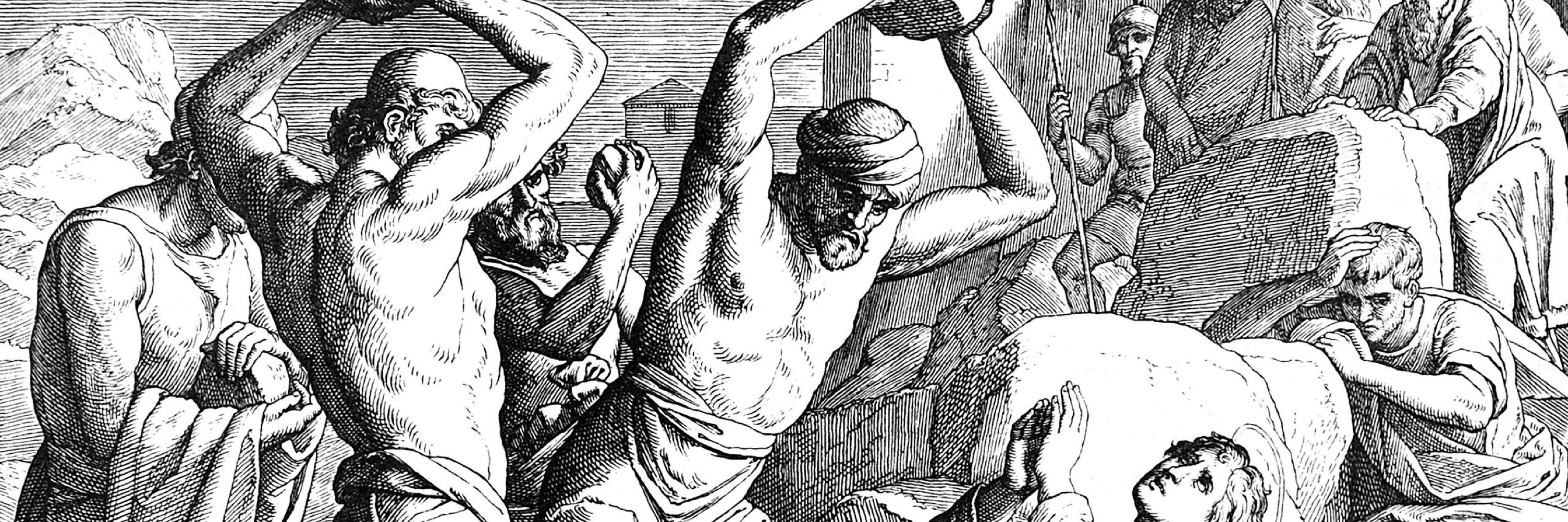
- Zinā: The Quran commands that men and women who engage in fornication be lashed 100 times (Quran 24:2), and Hadiths add that if the person is single and has never been married then they should also be exiled for a year. The Hanafi school of law does not accept the additional punishment of exile because it does not deem the Hadiths in question strong enough evidence to alter the Quranic ruling. It was agreed upon by all the Muslim schools of law that the Quranic punishment referred to here was for unmarried people. Married men and women guilty of adultery are punished by stoning, as demonstrated in the Sunna of the Prophet (peace be upon him).
- Sariqa: The Quran specifies that the thief, male or female, should have their hand cut off “as a requital for what they have done and as a deterrent ordained by God” (Quran 5:38).
- Qadhf: The Quran commands that anyone who accuses someone of adultery and does not provide four witnesses to the alleged act should be lashed 80 times and should never again have their testimony accepted (Quran 24:4).
- Shurb al-Khamr: Though the Quran prohibits drinking wine (khamr) and intoxication, the punishment for drinking comes from the Sunna. The most reliable Hadiths state that the Prophet (peace be upon him) would have a person lashed 40 times for intoxication, but the caliphs Umar and Ali subsequently increased this to 80 after consultation with other Companions.
- Ḥirāba: This crime is understood to be set out in the Quran’s condemnation of “those who make war on God and His Messenger and seek to spread harm and corruption in the land.” The Quran gives it the harshest punishment in Islam: crucifixion and/or amputating hands and feet (Quran 5:33). The vast majority of Muslim scholars have held that this verse was revealed after a group of men brutally blinded, maimed and murdered a shepherd and then stole his camels. The Prophet (peace be upon him) ordered the killers punished in exactly the same way. Yet prominent scholars were skeptical of reports that he had actually ordered the murderers’ hands or feet cut off. This disagreement between the punishments ordered by the Quran and by the Prophet (peace be upon him) may have been because the Prophet’s order came before the verse was revealed, but the ambiguity is generally understood as illustrating that the ruler/state has discretion in deciding the proper punishment for ḥirāba.
God’s Mercy and Applying the Hudud Punishments
Off the Hook? How Non-Hudud Crimes were Punished
Historical Application of Hudud in Islamic Civilization
Why Have Rules if You Don’t Follow Them? Law in Pre-modern versus Modern Societies
Cruel and Unusual Punishment
How Should Muslims Understand the Hudud Today?
Can We Escape the Controversy?
Appendix A
Appendix B: Requirements for Amputation for Theft from al-Subki
- [the item] was taken from a place generally considered secure (ḥirz)
- it had not been procured as spoils of war (mughannam)
- nor from the public treasury
- and it was taken by his own hand
- not by some tool or mechanism (āla)
- on his own
- solely
- while he was of sound mind
- and of age
- and a Muslim
- and free
- not in the Haram
- in Mecca
- and not in the Abode of War
- and he is not one who is granted access to it from time to time
- and he stole from someone other than his wife
- and not from a uterine relative
- and not from her husband if it is a woman
- when he was not drunk
- and not compelled by hunger
- or under duress
- and he stole some property that was owned
- and would be permissible to sell to Muslims
- and he stole it from someone who had not wrongfully appropriated it
- and the value of what he stole reached ten dirhams
- of pure silver
- by the Meccan weight
- and it was not meat
- or any slaughtered animal
- nor anything edible
- or potable
- or some fowl
- or game
- or a dog
- or a cat
- or animal dung
- or feces (ʿadhira)
- or dirt
- or red ochre (maghara)
- or arsenic (zirnīkh)
- or pebbles
- or stones
- or glass
- or coals
- or firewood
- or reeds (qaṣab)
- or wood
- or fruit
- or a donkey
- or a grazing animal
- or a copy of the Qur'an
- or a plant pulled up from its roots (min badā’ihi)
- or produce from a walled garden
- or a tree
- or a free person
- or a slave
- if they are able to speak and are of sound mind
- and he had committed no offense against him
- before he removed him from a place where he had not been permitted to enter
- from his secure location
- by his own hand
- and witness is born
- to all of the above
- by two witnesses
- who are men
- according to [the requirements and procedure] that we already presented in the chapter on testimony
- and they did not disagree
- or retract their testimony
- and the thief did not claim that he was the rightful owner of what he stole
- and his left hand is healthy
- and his foot is healthy
- and neither body part is missing anything
- and the person he stole from does not give him what he had stolen as a gift
- and he did not become the owner of what he stole after he stole it
- and the thief did not return the stolen item to the person he stole it from
- and the thief did not claim it
- and the thief was not owed a debt by the person he stole from equal to the value of what he stole
- and the person stolen from is present [in court]
- and he made a claim for the stolen property
- and requested that amputation occur
- before the thief could repent
- and the witnesses to the theft are present
- and a month had not passed since the theft occurred
Notes
1. ^ The compensation paid to the victim or the family was the wergild (lit. man price) or bot, while the wite was paid to the king or lord for breaking the mund (peace); Bruce O’Brian, “Anglo-Saxon Law,” in Oxford Intl. Encyclopedia of Legal History, ed. Stanley Katz (London: Oxford University Press, 2009), 1:82; F.W. Maitland, The Constitutional History of England (Cambridge: Cambridge University Press, 1908), 107-9.
2. ^ This well-known phrase does not appear in the US Constitution, but was adopted into American law around 1800 from English law. It was first formally articulated in England in the 1780s, though it was actually used in 1770 in Boston by the future President John Adams and Robert Paine in their defense of the British soldiers involved in the Boston massacre; see James Q. Witman, The Origins of Reasonable Doubt (New Haven: Yale University Press, 2008), 187, 193-94; and https://openyls.law.yale.edu/bitstreams/14b03553-ab27-4255-89fe-a43516d52dad/download.
3. ^ Heikk Pihlajamäki and Mia Korpiola, “Medieval Canon Law: The Origins of Modern Criminal Law,” in The Oxford Handbook of Criminal Law, ed. Markus Dubber and Tatjiana Hörnle (Oxford: Oxford University Press, 2014), 214-215; Kenneth Pennington, “Innocent until Proven Guilty: The Origins of a Legal Maxim,” The Jurist 63 (2003): 106-24.
4. ^ Abū Bakr al-Khaṣṣāf, Adab al-Qāḍī, ed. Farhat Ziadeh (Cairo: Maṭbaʿat al-Jablāwī, 1979), 254.
5. ^ Ṣaḥīḥ al-Bukhārī: kitāb al-jihād wa’l-siyar, bāb ism al-fars wa’l-ḥimār; Ṣaḥīḥ Muslim: kitāb al-īmān, bāb man laqiya Allāh bi’l-īmān…; kitāb al-zakāt, bāb ithm māniʿ al-zakāt.
6. ^ Ṣaḥīḥ al-Bukhārī: kitāb al-muḥāribīn min ahl al-kufr wa’l-ridda, bāb kam al-taʿzīr wa’l-adab.
7. ^ Ibn Taymiyya, al-Siyāsa al-sharʿiyya fī iṣlāḥ al-rāʿī wa’l-raʿiyya, ed. Ibrāhīm Ramaḍān (Beirut: Dār al-Fikr al-Lubnānī, 1992), 86.
8. ^ This minimal list is held by the Hanafi school (NB: for Hanafis, ḥirāba was included under the heading of sariqa). All other schools consider public apostasy (ridda) and sodomy to be among the Hudud crimes as well. In the Maliki school, ghīla (assassination or murder to steal someone’s money) is considered a Hudud crime punished by death. There is also disagreement on whether the qadhf crime only covers explicitly accusing someone of fornication (the position of the Hanbali and Hanafi schools) or other foul insults as well (in the Maliki and Shafi schools). See Wahba al-Zuḥaylī, Mawsūʿat al-fiqh al-islāmī, 14 vols. (Damascus: Dār al-Fikr, 2010), 5:714-15; Ṣāliḥ ʿAbd al-Salām Al-Ābī, al-Thamar al-dānī fī taqrīb al-maʿānī Ḥāshiyat Risālat Ibn Abī Zayd al-Qayrawānī. 2nd ed. (Cairo: Muṣṭafā al-Bābī al-Ḥalabī, 1944), 423, 432, 435.
9. ^ There is some disagreement over qadhf, which some scholars consider to be a violation of the rights of human beings only; Manṣūr b. Yūnus al-Buhūtī, al-Rawḍ al-murbiʿ, ed. Bashīr Muḥammad ‘Uyūn (Damascus: Maktabat Dār al-Bayān, 1999), 466; al-Khaṣṣāf, Adab al-Qāḍī, 217, 333; Muḥammad b. Aḥmad al-Qurṭubī, al-Jāmiʿ li-aḥkām al-Qur’ān, ed. Muḥammad Ibrāhīm al-Ḥifnāwī and Maḥmūd Ḥāmid ‘Uthmān, 20 vols. in 10 (Cairo: Dār al-Ḥadīth, 1994), 6:476 (on verse 24:4).
10. ^ Ṣaḥīḥ al-Bukhārī: kitāb al-muḥāribīn min ahl al-kufr wa’l-ridda, bāb al-iʿtirāf bi’l-zinā; Ṣaḥīḥ Muslim: kitāb al-ḥudūd, bāb ḥadd al-zinā, bāb man iʿtarafa ʿalā nafsihi bi’l-zinā.
11. ^ There had long been effective consensus on the punishment of stoning for adultery committed by a married person, which was even accepted by the Muʿtazila school of thought (though not, allegedly, by some early Kharijis). This began to be questioned, however, in the twentieth century. The Egyptian jurist Riḍwān Shāfiʿī al-Mustaʿānī rejected stoning because it is the severest punishment, yet it does not appear in the Quran (more on this below), which actually sets lashing as the punishment for fornication. If stoning were the punishment, he argues, it would appear in the Quran. Hadiths ordaining stoning cannot compensate for this absence of evidence, says al-Mustaʿānī, because limited reports (khabar al-āḥād) do not have the epistemological weight of the textual certainty of the Quran; Riḍwān Shāfiʿī al-Mustaʿānī, al-Jināyāt al-muttaḥida fī al-qānūn wa’l-sharīʿa (Cairo: al-Maṭbaʿa al-Salafiyya, 1350/1931), 257-8. In 1973, the famous Egyptian ʿālim and scholar of law Muḥammad Abū Zahra (d. 1974) stated at a conference in Libya that he seriously doubted the reliability of the reports that the Prophet (peace be upon him) had engaged in stoning, considering it too cruel a punishment (this was reported by two scholars in attendance, Muṣṭafā Zarqā’ and Yūsuf al-Qaraḍāwī). See Muḥammad Abū Zahra, Fatāwā, ed. Muḥammad ʿUthmān Bashīr (Damascus: Dār al-Qalam, 2006), 673. Another theory that has emerged among some reformist jurists is that stoning is taʿzīr and thus discretionary. This is based on the argument that, since the Prophet said that God gave “a path out” (Quran 4:15) for a non-married virgin who had fornicated with the 100 lashes mentioned in the Quran and then an additional year of exile added by the Prophet as taʿzīr, the punishment for the married adulterer would mirror this, with 100 lashes from the Quran and then stoning as the Prophet’s added, discretionary taʿzīr. Because stoning here is discretionary, it can be dropped without any problem. See Muṣṭafā Aḥmad al-Zarqā, al-Madkhal al-fiqhī al-ʿāmm, 3rd ed., 2 vols., (Damascus: Dār al-Qalam, 1433/2012), 1:290. Dr. Jasser Auda argues in his book Naqd naẓariyyat al-naskh that stoning was Jewish law practiced in the beginning of Islam and then abrogated by Surat al-Nūr. See Jasser Auda, Naqd naẓariyyat al-naskh (al-Shabaka al-ʿArabiyya li’l-Abḥāth, 2013). Of course, the above argument that the Quran does not ordain stoning is more complicated than its adherents would like. For nearly fourteen centuries what prevailed was the view that there had, in fact, been a verse of the Quran commanding stoning for adulterers but that it was then removed (naskh) by God. Yet the ruling remained. Most pre-modern Muslim scholars had no problem with the notion that the Quran originally included this verse stating “The noble man and woman, if they commit zinā, surely stone them both,” but that God ordered the verse removed while maintaining the ruling intact. The famous Shāfiʿī/Ashʿarī Hadith scholar Abū Bakr al-Bayhaqī (d. 458/1066) stated that he knew of no disagreement on the possibility of a verse of the Quran being removed in its entirety (naskh al-tilāwa) while its ruling remained; Abū Bakr al-Bayhaqī, al-Sunan al-kubrā, ed. Muḥammad ʿAbd al-Qādir ʿAṭā, 11 vols. (Beirut: Dār al-Kutub al-ʿIlmiyya, 1999), 8:367. A leading traditionalist scholar of the twentieth century, ʿAbdallāh al-Ghumārī (d. 1993), however, denied the possibility of naskh al-tilāwa, not to mention removing a verse while its ruling remained. He deemed it rationally impossible and added that all reports describing it as having occurred are narrated by too few transmissions (āḥād) to match the certainty of Quranic verses. He notes that the most reliable piece of evidence, namely the reports of the caliph ʿUmar in Ṣaḥīḥ al-Bukhārī that he worried that people would abandon stoning because it was not found in the book of God, do not actually include the wording of the supposed verse with that ruling, as pointed out by Ibn Ḥajar (though Ibn Ḥajar does not doubt that there was such a verse); ʿAbdallāh b. al-Ṣiddiq al-Ghumārī, Dhawq al-ḥalāwa bi-bayān imtināʿ naskh al-tilāwa, 2nd ed. (Cairo: Maktabat al-Qāhira, 2006), 12, 14; Ṣaḥīḥ al-Bukhārī: kitāb al-muḥāribīn min ahl al-kufr wa’l-ridda, bāb al-iʿtirāf bi’l-zinā. Most ulama do not accept al-Ghumārī’s argument. For one thing, another sound narration of the Hadith from ʿUmar includes his saying, regarding a Quranic verse on stoning, that “We recited it, understood it and heeded it” (Ṣaḥīḥ al-Bukhārī: kitāb al-muḥāribīn…, bāb rajm al-ḥublā min al-zinā idhā aḥṣanat). Although al-Ghumārī does not discuss this narration, he rejects as insufficient proof all the Hadiths mentioning verses of the Quran being removed. See Ibn Ḥajar al-ʿAsqalānī, Fatḥ al-Bārī, ed. ʿAbd al-ʿAzīz Bin Bāz and Muḥammad Fu’ād ʿAbd al-Bāqī (Beirut: Dār al-Kutub al-ʿIlmiyya, 1997), 12:168, 173-74. See also al-Albānī, Silsilat al-aḥādīth al-ṣaḥīḥa, no. 2913.
12. ^ Ṣaḥīḥ Muslim: kitāb al-ḥudūd, bāb ḥadd al-khamr.
13. ^ Ṣaḥīḥ Muslim: kitāb al-qasāma wa’l-muḥāribīn…, bāb ḥukm al-murtaddīn wa’l-muḥāribīn.
14. ^ Sunan of Abū Dāwūd: kitāb al-ḥudūd, bāb mā jā’a fī al-muḥāraba.
15. ^ Jāmiʿ al-Tirmidhī: kitāb al-ṭahāra, bāb mā jā’a fī bawl mā yu’kalu laḥmuhu.
16. ^ Al-Qurṭubī, Jāmiʿ li-aḥkām al-Qur’ān, 3:509-11.
17. ^ Mālik, al-Muwaṭṭa’: kitāb al-ḥudūd, bāb mā jā’a fī al-rajm; bāb tark al-shafāʿa li’l-sāriq idhā balagha al-sulṭān.
18. ^ Musnad of Ibn Ḥanbal (Maymaniyya print), 4:133 (The Hadith reads “man taraka mālan fa-li-warathatihi wa man taraka daynan aw ḍayʿatan fa-ilayya wa anā walī man lā walī lahu afukku ʿanhu wa arithuhu mālahu wa’l-khāl wārith man lā wārith lahu yafukku ʿanhu wa yarithu mālahu”); 4:131 (This narration adds “aʿqilu ʿanhu”); 6:47.
19. ^ Al-Shāfiʿī, Kitāb al-Umm (Beirut: Dār al-Maʿrifa, 1393/1973), 6:21; See also Muwaffaq al-Dīn Ibn Qudāma, al-Mughnī, ed. ʿAbdallāh al-Turkī and ʿAbd al-Fattāḥ al-Ḥulw, 12 vols. (Cairo: Hujr, 1986), 9:476, 10:9, 22; Muḥammad al-Sarakhsī, al-Mabsūṭ, 30 vols. in 15. (Beirut: Dār al-Maʿrifa, [1978]), 10:219; al-Buhūtī, al-Rawḍ al-murbiʿ, 461; Aḥmad al-Qudūrī, The Mukhtaṣar, trans. Ṭāhir Maḥmood Kiānī (London: Ta-Ha Publishers, 2010), 530-31.
20. ^ This is based on a Hadith in which the Prophet (peace be upon him) says that, “The pen has been lifted [from writing a person’s deeds] for three people: the person sleeping until they wake up, the person afflicted [with some madness] until they recover and the youth until they grow up,” on the Prophet’s question to a man confessing to zinā “Do you know what zinā is?” and on the practice of the caliph ʿUmar, who ruled that “There is no Hadd except on the one who knew it (lā ḥadd illā ʿalā man ʿalimahu)”; Sunan of Abū Dāwūd: kitāb al-ḥudūd, bāb fī al-majnūn yasriqu aw yuṣību ḥaddan, bāb rajm Māʿiz bin Mālik; al-Bayhaqī, Sunan al-kubrā, 8:415; al-Ṣanʿānī, Muṣannaf, 7:404. See also al-Qudūrī, Mukhtaṣar, 544.
21. ^ This Hadith can be found in Jāmiʿ al-Tirmidhī (kitāb al-diyāt, bāb mā jā’a fī al-qiṣāṣ), with a similar version narrated by Abū Hurayra; Sunan Ibn Mājah: kitāb al-ḥudūd, bāb mā jā’a fī al-satr ʿalā al-mu’min wa dafʿ al-ḥudūd bi’l-shubuhāt) (weak according to all). Scholars like Tirmidhī and Bayhaqī consider the narrations attributing this to Aisha rather than the Prophet (peace be upon him) to be more reliable; al-Bayhaqī, Sunan al-kubrā, 8:413. For other Companions making similar statements, see al-Bayhaqī, Sunan al-kubrā, 8:413-15. According to Ibn Ḥajar, the most reliable version is ʿUmar’s saying, “For me to err in the Hudud because of ambiguities is more preferable for me than to carry them out because of ambiguities.” See Shams al-Dīn al-Sakhāwī, al-Maqāṣid al-ḥasana, ed. Muḥammad ʿUthmān al-Khisht (Beirut: Dār al-Kitāb al-ʿArabī, 2004), 42.
22. ^ See Intisar Rabb, “Islamic Legal Maxims as Substantive Canons of Construction: Ḥudūd-Avoidance in Cases of Doubt,” Islamic Law and Society 17 (2010): 63-125.
23. ^ Quran 24:2, 4, and the Quran reiterates the need for four witnesses again in verse 2:15.
24. ^ Ṣaḥīḥ al-Bukhārī: kitāb al-muḥāribīn min ahl al-kufr wa’l-ridda, bāb lā yurjamu al-majnūn wa’l-majnūna, bāb hal yaqūlu al-imām li’l-muqirr laʿallaka lamasta aw ghamazta; Ṣaḥīḥ Muslim: kitāb al-ḥudūd, bāb ḥadd al-zinā, bāb man iʿtarafa ʿalā nafsihi bi’l-zinā.
25. ^ Sunan of Abū Dāwūd: kitāb al-ḥudūd, bāb rajm Māʿiz b. Mālik, bāb fī rajm al-yahūdiyayn.
26. ^ Ibn al-Amīr al-Ṣanʿānī, Subul al-salām, ed. Muḥammad ʿAbd al-Raḥmān al-Marʿashlī. 3rd ed, 4 vols. (Beirut: Dār Iḥyā’ a-Turāth al-ʿArabī, 2005), 4:9.
27. ^ ʿAbd al-Wahhāb al-Shaʿrānī, al-Mīzān al-kubrā, 2 vols. in 1 (Cairo: Maktabat Zahrān [no date]. Reprint of 1862 Cairo ed. from Maktabat al-Kastiliyya), 2:145.
28. ^ Sulaymān al-Bujayramī, Ḥāshiyat al-Bujayrimī ʿalā al-Minhāj (Cairo: Maṭbaʿat Muḥammad Shāhīn, 1380/1960), 345; Mullā ʿAlī al-Qāri’, Sharḥ Musnad Abī Ḥanīfa, ed. Khalīl Muḥyī al-Dīn al-Mīs (Beirut: Dār al-Kutub al-ʿIlmiyya, n.d.), 487; Muḥyī al-Dīn al-Nawawī, al-Majmūʿ, ed. Muḥammad Najīb al-Muṭīʿī (Jedda: Maktabat al-Irshād, n.d.), 5:211. An example of different perspectives on this can be found in Ṣaḥīḥ al-Bukhārī: kitāb al-ḥayḍ, bāb idhā ḥāḍat fī shahr thalāth…, where a woman comes to the judge Shurayḥ in Kufa with reliable witnesses from her family that she had menstruated three times in a month (i.e., thus allowing her to remarry after divorce). Shurayḥ accepted the testimony, while another scholar in Mecca, ʿAṭā’ b. Abī Rabāḥ, held that such cases should turn on the woman’s normal menstrual course.
29. ^ James Baldwin, “Prostitution, Islamic Law and Ottoman Societies,” Journal of the Economic and Social History of the Orient 55 (2012): 125.
30. ^ Ṣaḥīḥ al-Bukhārī: kitāb al-ḥudūd, bāb qawl Allāh taʿālā wa’l-sāriqu wa’l-sāriqatu…
31. ^ Sunan of Abū Dāwūd: kitāb al-ḥudūd, bāb fī al-talqīn fī al-ḥudūd; Sunan al-Nasā’ī: kitāb qaṭʿ al-sāriq, bāb talqīn al-sāriq.
32. ^ Mullā Hüzrev, Durar al-ḥukkām sharḥ ghurar al-aḥkām, 2 vols. (Istanbul: Fazilat, n.d. Reprint of Amīriyya print, n.d.), 2:82.
33. ^ Al-Buhūtī, Rawḍ, 469; Sunan of Abū Dāwūd: kitāb al-ḥudūd, bāb man saraqa min ḥirz.
34. ^ Jāmiʿ al-Tirmidhī: kitāb al-ḥudūd, bāb mā jā’a fī al-khā’in wa’l-mukhtalis wa’l-muntahib.
35. ^ Rudolph Peters, Crime and Punishment in Islamic Law (Cambridge: Cambridge University Press, 2005), 54. The same was observed by the British in the application of the punishment for theft in India in the late 1700’s. See Jörg Fisch, Cheap Lives and Dear Limbs: The British Transformation of the Bengal Criminal Law 1769-1817 (Wiesbaden: Franz Steiner, 1983), 76.
36. ^ Al-Ṣanʿānī, Subul al-salām, 4:41; al-Buhūtī, Rawḍ, 467.
37. ^ Al-Bayhaqī, Sunan al-kubrā, 8:549.
38. ^ Al-Buhūtī, Rawḍ, 467.
39. ^ Al-Qurṭubī, Jāmiʿ li-aḥkām al-Qur’ān, 3:515.
40. ^ Al-Khaṭīb al-Shirbīnī, Mughnī al-muḥtāj, 4:176; al-Shaʿrānī, Mīzān al-kubrā, 2:225.
41. ^ Al-Shaʿrānī, Mīzān al-kubrā, 2:227.
42. ^ Ṣaḥīḥ al-Bukhārī: kitāb al-muḥāribīn min ahl al-kufr wa’l-ridda, bāb idhā aqarra bi’l-ḥadd…; Ṣaḥīḥ Muslim: kitāb al-tawba, bāb fī qawlihi taʿālā inna al-ḥasanāt tudhhibna al-sayyi’āt.
43. ^ Sunan of Abū Dāwūd: kitāb al-adab, bāb fī al-nahy ʿan al-tajassus.
44. ^ Sunan of Abū Dāwūd: kitāb al-adab, bāb fī al-nahy ʿan al-tajassus.
45. ^ Al-Suyūṭī, Jāmiʿ al-aḥādīth, ed. ʿAlī Jumʿa et al., 3412 (#29873) (with al-Suyūṭī citing the report from the lost Kitāb al-Sariqa wa’l-qaṭʿ by Abū al-Shaykh al-Iṣbahānī, d. 369/979). For a discussion of this report, see here.
46. ^ Sunan of Abū Dāwūd: kitāb al-ḥudūd, bāb al-ʿafw fī al-ḥudūd mā lam tablugh al-sulṭan.
47. ^ Sunan of Abū Dāwūd: kitāb al-ḥudūd, bāb al-sāriq idhā yasriqu fī al-ghazw a-yuqṭaʿu; ʿAbd al-Razzāq al-Ṣanʿānī, Muṣannaf, ed. Ḥabīb al-Raḥmān al-Aʿẓamī, 12 vols. (Beirut: al-Maktab al-Islāmī, 1403/1983), 10:242.
48. ^ Lā yajūzu iqāmat al-ḥudūd maʿa iḥtimāl ʿadam al-fā’ida; Abū Bakr al-Kāsānī, Badā’iʿal-ṣanā’iʿ (Beirut: Dār al-Kutub al-ʿIlmiyya, 2003), 9:248.
49. ^ Alexander Russell, A Natural History of Aleppo, 2 vols. (London: no publisher, 1794), 1:331.
50. ^ Edward Lane, Manners and Customs of the Modern Egyptians (New York: Cosimo, 2005), 112.
51. ^ Fariba Zarinebaf-Shahr, “Women in the Public Eye in Eighteenth-Century Istanbul,” in Women in the Medieval Islamic World, ed. Gavin R.G. Hambly (New York: St. Martin’s Press, 1998), 302–304; Anne-Marie Cusac, Cruel and Unusual: The Culture of Punishment in America (New Haven: Yale University Press, 2009), 22.
52. ^ ʿAbd al-Qādir al-Badā’ūnī, Muntakhabu-t-Tawārīkh, trans. W.H. Lowe (Delhi: Renaissance Publishing, 1986), 3:146.
53. ^ See, for example, al-Suyūṭī complaining about a brothel that continued operating in Cairo; Al-Suyūṭī, al-Taḥadduth bi-niʿmat Allāh, ed. Elizabeth Sartain (Cairo: al-Maṭbaʿa al-ʿArabiyya al-Ḥadītha, 1972), 175.
54. ^ This scholar’s name was Saʿd Allāh Banī Isrā’īl; Badā’ūnī, Muntakhab, 3:88. For this point of prohibiting tajassus, see Sunan of Abū Dāwūd: kitāb al-adab, bāb fī al-nahy ʿan al-tajassus.
55. ^ The judge in question was ʿAlī b. Muḥammad al-Zarruwaylī (d. 1319); Muḥammad b. Jaʿfar al-Kattānī, Salwat al-anfās wa muḥādathat al-akyās mimman uqbira min al-ʿulamā’ wa’l-sulaḥā’ bi-fās, ed. ʿAbdallāh al-Kāmil al-Kattānī et al., 3 vols. (Casablanca: Dār al-Thaqāfa, 2004), 3:180.
56. ^ Ibn Baṭṭūṭa, The Travels of Ibn Battuta, ed. H.A.R. Gibb, 3 vols. (New Delhi: Munshiram Manoharlal, 2004), 2:219.
57. ^ Al-Badā’ūnī, Muntakhabu-t-Tawārīkh, 3:129-130.
58. ^ Muḥammad b. Aḥmad Ibn Iyās, Badā’iʿ al-zuhūr fī waqā’iʿ al-duhūr, ed. Muḥammad Muṣṭafā (Cairo: al-Hay’a al-Miṣriyya al-ʿĀmma li’l-Kutub, 1984), 4:340-45; Najm al-Dīn al-Ghazzī, al-Kawākib al-sā’ira bi-aʿyān al-mi’a al-ʿāshira, ed. Jibrā’īl Jabbūr, 3 vols. (Beirut: Dār al-Āfāq al-Jadīda, 1979), 1:102-5, 295.
59. ^ Al-Ghazzi, al-Kawākib al-sā’ira, 1:103.
60. ^ Al-Khaṣṣāf, Adab al-qāḍī, 349.
61. ^ Muḥammad b. ʿAlī al-Shawkānī, “Rafʿ al-asāṭīn fī ḥukm al-ittiṣāl bi’l-salāṭīn,” in Majmūʿ fīhi sabaʿ rasā’il li’l-imām al-muḥaqqiq Muḥammad b. Ismāʿīl al-Amīr al-Ṣanʿānī, ed. Muḥammad al-Ṣaghīr Muqaṭṭirī (Beirut: Dār Ibn Ḥazm, 2004), 452-3.
62. ^ Andrew Lees, The City: A World History (London: Oxford University Press, 2015), 49.
63. ^ G. Edward White, American Legal History: A Very Short Introduction (Oxford: Oxford University Press, 2014), 74.
64. ^ Ṣaḥīḥ al-Bukhārī: kitāb al-aḥkām, bāb al-ḥākim yaḥkumu bi’l-qatl ʿalā man wajaba ʿalayhi….
65. ^ Lawrence M. Friedman, A History of American Law, 2nd ed. (New York: Simon & Shuster, 1985), 577.
66. ^ Wael Hallaq, Sharīʿa (Cambridge: Cambridge University Press, 2009), 163.
67. ^ I draw this equation from lecture notes from Professor Neal Katyal’s course on Criminal Law at Georgetown Law School, 9/11/15.
68. ^ E. P. Thompson, Whigs and Hunters: The Origin of the Black Act (New York: Pantheon Books, 1975), 270–77.
69. ^ Cusac, Cruel and Unusual, 28-29.
70. ^ J.S. Cockburn, A History of the English Assizes 1558-1714 (Cambridge: Cambridge University Press, 1972), 128-133.
71. ^ J.J. Tobias, Crime and Industrial Society in the Nineteenth Century (New York: Schocken, 1967), 249-50.
72. ^ Norval Morris and David J. Rothman, eds., The Oxford History of the Prison (New York: Oxford University Press, 1998), vii.
73. ^ John Langbein, “The Historical Origins of the Sanction of Imprisonment for Serious Crimes,” Journal of Legal Studies 5, no. 1 (1976): 36.
74. ^ Cusac, Cruel and Unusual, 21.
75. ^ John Langbein, “The Historical Origins of the Sanction of Imprisonment for Serious Crimes,” 51.
76. ^ Cusac, Cruel and Unusual, 36, 41-44.
77. ^ Cusac, Cruel and Unusual, 53-56.
78. ^ Radhika Singha, A Despotism of Law: Crime & Justice in Early Colonial India (Delhi: Oxford University Press, 1998), 3, 9, 24, 52, 54-55.
79. ^ Peter Moskos, In Defense of Flogging (New York: Basic, 2011), 50.
80. ^ Moskos, In Defense of Flogging, 52, 56.
81. ^ Cusac, Cruel and Unusual, 13.
82. ^ Moskos, In Defense of Flogging, 74.
83. ^ Gunnar J. Weimann, “Nigeria,” in The [Oxford] Encyclopedia of Islam and Law. Oxford Islamic Studies Online. December 5, 2016. <http://www.oxfordislamicstudies.com/article/opr/t349/e0071>.
84. ^ Hudud have been in place in Sudan since 1991. The main manifestations have been flogging for intoxication; Olaf A. Köndgen, “Sudan,” in The [Oxford] Encyclopedia of Islam and Law. Oxford Islamic Studies Online. December 5, 2016. <http://www.oxfordislamicstudies.com/article/opr/t349/e0079>.
85. ^ In Iran, the amputation for theft is very rarely carried out, though in Imami Shiism it is only the fingertips that are cut off, not the hand. Stoning is not carried out; Hassan Rezaei, “Iran,” in The [Oxford] Encyclopedia of Islam and Law. Oxford Islamic Studies Online. December 5, 2016. <http://www.oxfordislamicstudies.com/article/opr/t349/e0056>.
86. ^ ʿAbd al-Ḥalīm Maḥmūd, Fatāwā, 2 vols. (Cairo: Dār al-Shurūq, 2002), 2:434; Maḥmūd Shaltūt, al-Islām ʿaqīda wa sharīʿa, 14th ed. (Cairo: Dār al-Shurūq, 1987), 302-4.
87. ^ ʿAlī Jumʿa, al-Bayān li-mā yashghalu al-adhhān (Cairo: al-Muqaṭṭam, 2005), 71-2; see a 2013 interview with Yūsuf al-Qaraḍāwī and its transcript.
88. ^ Muṣṭafā Aḥmad al-Zarqā, al-Madkhal al-fiqhī al-ʿāmm, 3rd ed., 2 vols., (Damascus: Dār al-Qalam, 1433/2012), 1:283-4.
89. ^ Sunan of Abū Dāwūd: kitāb al-ḥudūd, bāb al-sāriq yasriqu fī al-ghazw a-yuqṭaʿu.
90. ^ ʿAbdallāh Bin Bayyah, Tanbīh al-marājiʿ ʿalā ta’ṣīl fiqh al-wāqiʿ (UAE: Muntadā Taʿzīz al-Silm fī al-mujtamaʿāt al-Muslima, 2014), 83-5.
91. ^ Riḍwān Shāfiʿī al-Mustaʿānī, al-Jināyāt al-muttaḥida fī al-qānūn wa’l-sharīʿa (Cairo: al-Maṭbaʿa al-Salafiyya, 1350/1931), 261-3. The author cites the famous nineteenth-century senior Azhar Mālikī Muḥammad ʿUlaysh (d. 1299/1882) in his Minaḥ al-jalīl, which in turn cites the North African Mālikī al-Lakhmī (d. 478/1085). It is noteworthy, however, that al-Lakhmī allows the alternative of prison only for amputating the hand of the thief (presumably because this is an indivisible and physically traumatic punishment). For lashing for fornication, however, he only allows the punishment to be administered gradually, over time, allowing for recovery; Muḥammad ʿUlaysh, Minaḥ al-jalīl sharḥ Mukhtaṣar Khalīl, 9 vols. (Beirut: Dār al-Fikr, 1404/1984), 9:73; ʿAlī b. Muḥammad al-Lakhmī, al-Tabṣira, ed. Aḥmad ʿAbd al-Karīm Najīb, 14 vols. (Doha: Wizārat al-Awqāf, 1432/2011), 13:6216; al-Fatāwā al-hindiyya, 6 vols. (Bulaq: al-Maṭbaʿa al-Amīriyya, 1310/1892-3), 2:147. Thanks to Samy Ayoub for drawing my attention to al-Mustaʿānī’s work. For the Hadith of the Prophet ordering the sick man punished lightly, see Sunan of Abū Dāwūd: kitāb al-ḥudūd, bāb fī iqāmat al-ḥadd ʿalā al-marīḍ.
92. ^ Shaltūt, Fatāwā, 45; Jumʿa, al-Bayān, 71; Bin Bayyah, Tanbīh, 83-4.
93. ^ For example, Al-Qalqashandī, Ṣubḥ al-aʿshā fī ṣināʿat al-inshāʾ, 13 vols. (Cairo: al-Maṭbaʿa al-Amīrīya, 1913), 10:342.
94. ^ Knut Vikør, Between God and the Sultan: A History of Islamic Law (Oxford: Oxford University Press, 2005), 266.
95. ^ Frank Vogle, Islamic Law and Legal System (Leiden: Brill, 2000), 246-47; Vikør, 266.
96. ^ The 1858 Penal code did provide some sentences founded for the taʿzīr levels of theft, fornication, banditry and intoxication, but it did not indicate whether the Hudud punishments would be applied when the conditions sought by the Shariah were fulfilled. See Ahmet Akgündüz, “1274/1858 Tarhili Osmanlı Ceza Kanunnamesinin Hukuki Kaynakları, Tatbik Şekli ve Men-i Irtikab Kanunnamesi,” Belleten 51, n. 199 (1987): 166.
97. ^ Jonathan AC Brown, “Taʿzīr,” in The Oxford Encyclopedia of Islam and Law, accessed April 17, 2019, http://www.oxfordislamicstudies.com/article/opr/t349/e0189.
98. ^ Taqī al-Dīn ʿAlī b. ʿAbd al-Kāfī al-Subkī, Fatāwā al-Subkī, 2 vols. (Dār al-Maʿrifa, n.d.), 2:333–34.

Senior Fellow
Disclaimer: The views, opinions, findings, and conclusions expressed in these papers and articles are strictly those of the authors. Furthermore, Yaqeen does not endorse any of the personal views of the authors on any platform. Our team is diverse on all fronts, allowing for constant, enriching dialogue that helps us produce high-quality research.
Want to appear on Yaqeen?
Cite this paper
Brown, J. (2017). Stoning and Hand Cutting—Understanding the Hudud and the Shariah in Islam. Yaqeen Institute for Islamic Research. https://doi.org/10.65061/DBOP2718
Feedback
We'd love to hear your thoughts on this unit!
Sharia

Related
