Why the Islamic Calendar Matters | Snapshots with Imam Tom Facchine
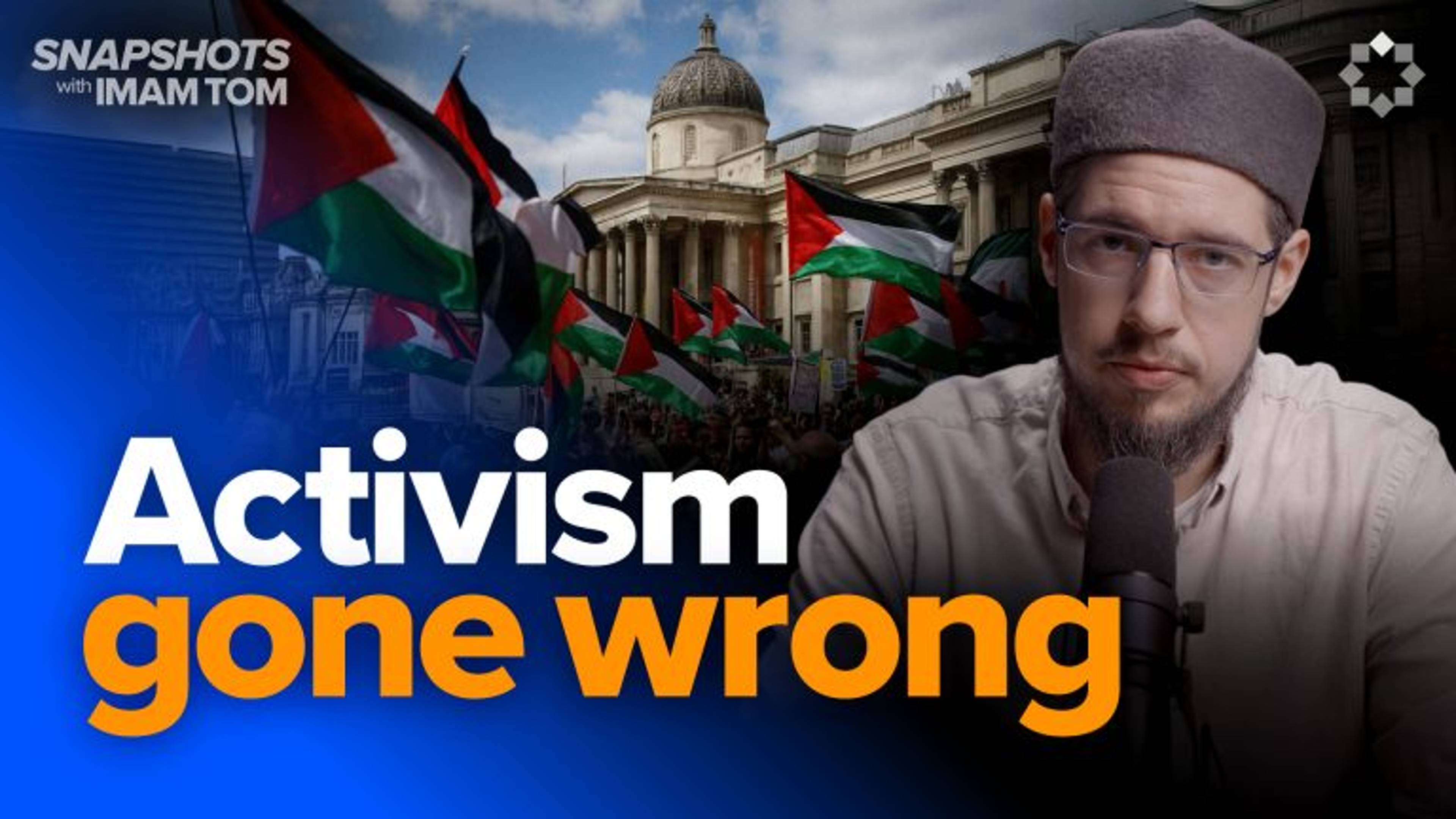
What Activism Is Missing Today | Snapshots with Imam Tom Facchine
How to Stop Chasing Validation | Snapshots with Imam Tom Facchine

Is This Da’wah or Entertainment? | Snapshots with Imam Tom Facchine

Islam Isn’t Just Therapy | Snapshots with Imam Tom Facchine

How Your Victim Mindset is Destroying You | Snapshots with Imam Tom Facchine
Modesty Is More Than What You Wear | Snapshots with Imam Tom Facchine
Will Recognition Help Palestine? | Snapshots by Imam Tom Facchine

Living Up to the Prophet’s ﷺ Final Speech | Snapshots with Imam Tom Facchine

How Should We View Gaza’s Celebrity Support? | Snapshots with Imam Tom Facchine

How to Stop Falling for Fake Mahdis | Snapshots with Imam Tom Facchine

Why You Can’t Escape Organized Religion | Snapshots with Imam Tom Facchine
Kings Chased Thrones. He ﷺ Chased This Instead | Snapshots with Imam Tom Facchine

What Real Masculinity Looks Like | Snapshots with Imam Tom Facchine

The Truth About AI’s Intelligence | Snapshots with Imam Tom Facchine
What the Qur’an Says About Christianity | Snapshots with Imam Tom Facchine
How Does the Qur’an View the Bible? | Snapshots with Imam Tom Facchine
What ‘Allahu Akbar’ Really Means (And Why It Scares Them) | Snapshots with Imam Tom Facchine
Debunking the Myth of the ‘Oppressed Muslim Woman’ | Snapshots with Imam Tom Facchine
What Sharia Law Actually Means | Snapshots with Imam Tom Facchine
Does Islam Actually Oppose Science? | Snapshots with Imam Tom Facchine
How ‘Taqiyya’ Became an Islamophobic Talking Point | Snapshots with Imam Tom Facchine
Who's Your Real Enemy? | Snapshots with Imam Tom Facchine
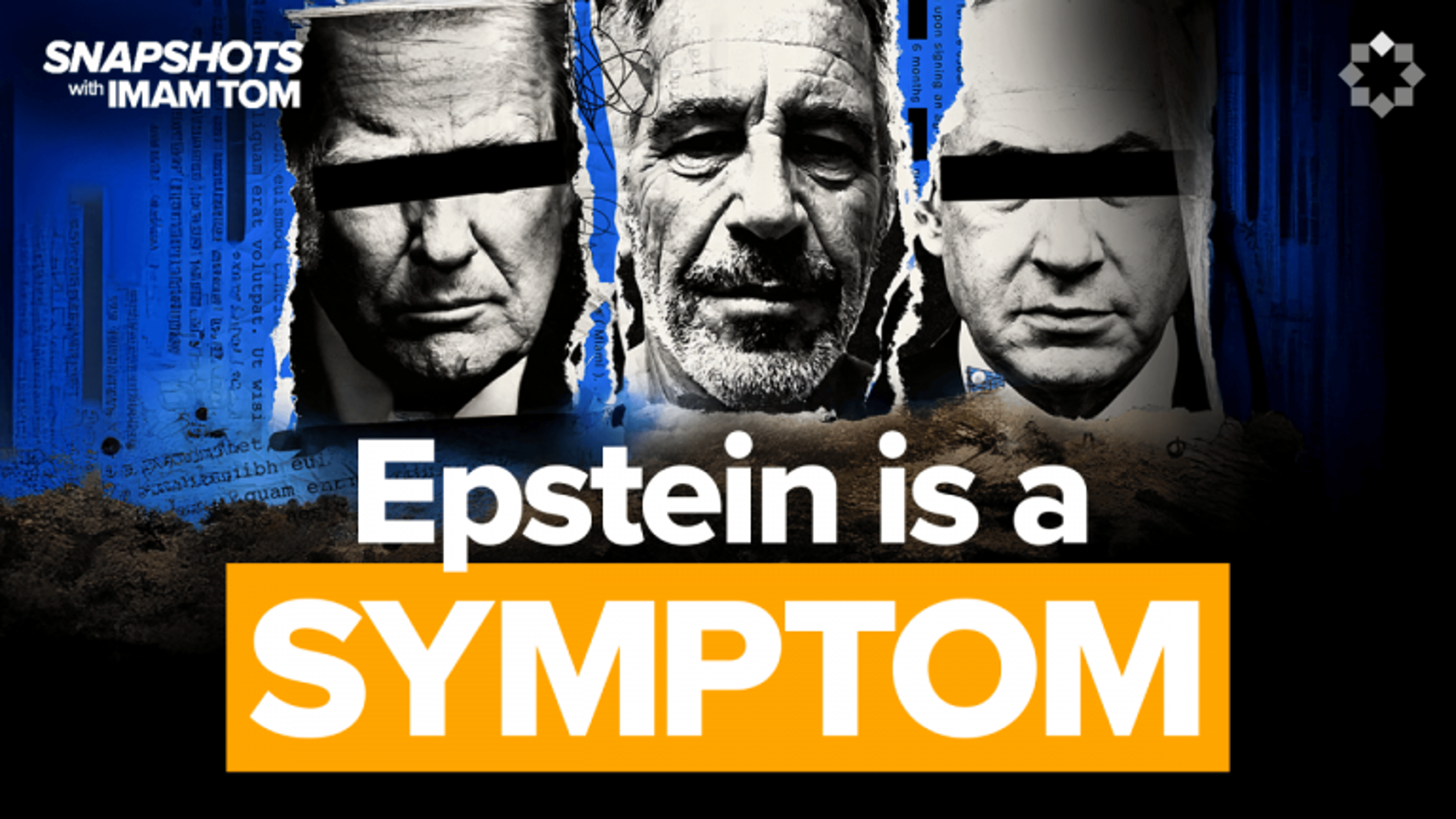
Epstein and the Double Standard of Justice | Snapshots with Imam Tom Facchine
Are You Sincere? | Snapshots with Imam Tom Facchine

Intelligence vs. Wisdom in Islam ( And What Iblis Teaches Us) | Snapshots with Imam Tom Facchine
Why Toxic Competition Feels Normal (But Isn't) | Snapshots with Imam Tom Facchine
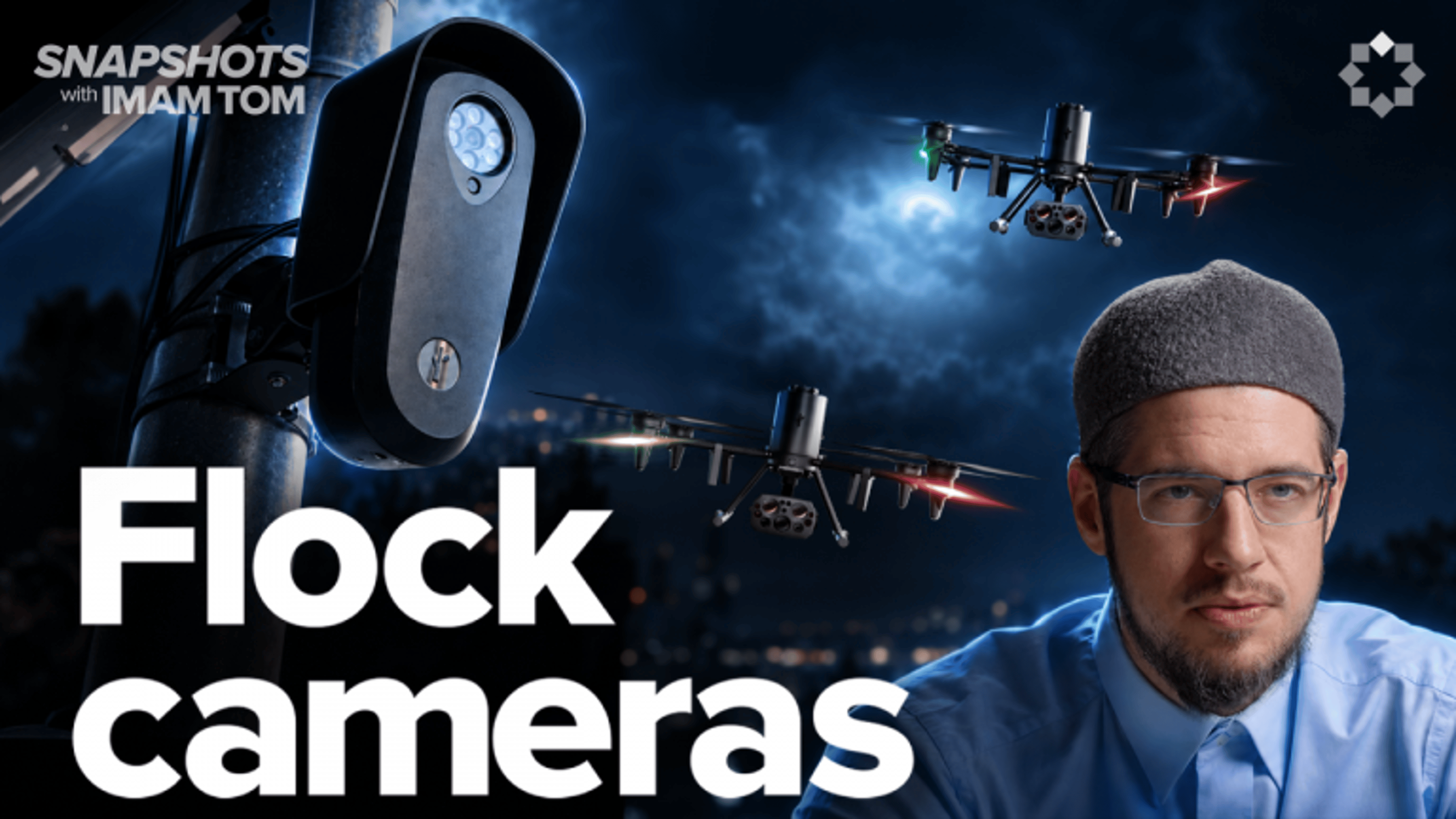
Why Flock Cameras Aren’t Making Us Safer | Snapshots with Imam Tom Facchine
The Difference Between Knowledge and Discernment | Snapshots with Imam Tom Facchine
The Devil Whispers. Your Intellect Does the Rest | Snapshots with Imam Tom Facchine

The Illusion of False Choices and How to See Through Them | Snapshots with Imam Tom Facchine
Why Harmful Ideas Contain Some Truth | Snapshots with Imam Tom Facchine
Snapshots with Imam Tom Facchine
Kings Chased Thrones. He ﷺ Chased This Instead | Snapshots with Imam Tom Facchine

Prophet Muhammad ﷺ wasn’t like other leaders. He had no luxuries, no throne, and didn’t lead with power as a motive. So how did he lead?
Imam Tom highlights the characteristics that made him the greatest leader to ever walk the earth and what allowed Islam to become revolutionary in just a matter of 23 years.