fbpixel

The 10 best days are here.

Give your sadaqah
Abdullah ibn Abbas (ra): The Ocean of Knowledge | The Firsts
The Firsts | The Forerunners of Islam
The Firsts | The Forerunners of Islam

Trendsetters, Revivers, and Strangers
Trendsetters, Revivers, and Strangers

Zaid Ibn Amr (ra): A One Man Ummah

Zaid Ibn Amr (ra): A One Man Ummah

Waraqa Ibn Nawfal: The First to Confirm Prophethood
Waraqa Ibn Nawfal: The First to Confirm Prophethood

Khadijah (ra): His First Love, Our First Mother
Khadijah (ra): His First Love, Our First Mother

Umm Ayman (ra): The Woman Who Never Stopped Caring
Umm Ayman (ra): The Woman Who Never Stopped Caring

Ali ibn Abi Talib (ra): Courageous & Steadfast

Ali ibn Abi Talib (ra): Courageous & Steadfast

The First Family: The Beautiful Marriage of Ali and Fatima
The First Family: The Beautiful Marriage of Ali and Fatima

The First Family - Part 2: From Love to the Pain of Death
The First Family - Part 2: From Love to the Pain of Death

Abu Bakr (ra): Second to None in the Pursuit of God
Abu Bakr (ra): Second to None in the Pursuit of God

Abu Bakr (ra) - Part 2: Setting His Own Standards
Abu Bakr (ra) - Part 2: Setting His Own Standards

Abu Bakr (ra) - Part 3: There Will Never Be Another One

Abu Bakr (ra) - Part 3: There Will Never Be Another One

The Plague that Killed Sahaba and the Coronavirus
The Plague that Killed Sahaba and the Coronavirus

Zayd Ibn Al Haritha (ra): Loved and Liberated

Zayd Ibn Al Haritha (ra): Loved and Liberated

Sumayyah (ra): The First Martyr
Sumayyah (ra): The First Martyr

Khabbab Ibn Al Aratt (ra) - Under Burning Hot Coals
Khabbab Ibn Al Aratt (ra) - Under Burning Hot Coals

Bilal ibn Rabah (ra): The Voice of Certainty
Bilal ibn Rabah (ra): The Voice of Certainty

Suhaib Ibn Sinan Al Rumi (ra): From Persia, to Rome, to Paradise
Suhaib Ibn Sinan Al Rumi (ra): From Persia, to Rome, to Paradise

Al-Arqam Ibn Abil Arqam: The House of Islam
Al-Arqam Ibn Abil Arqam: The House of Islam

Lubaba Bint Al-Harith (ra): The First Woman After Khadijah (ra)
Lubaba Bint Al-Harith (ra): The First Woman After Khadijah (ra)

Zaynab Bint Muhammad (saw): The First Daughter (ra)

Zaynab Bint Muhammad (saw): The First Daughter (ra)

Uthman Ibn Affan (ra): The Possessor of Two Lights
Uthman Ibn Affan (ra): The Possessor of Two Lights

Uthman Ibn Affan (ra) - Part 2: The Possessor of Two Lights
Uthman Ibn Affan (ra) - Part 2: The Possessor of Two Lights

Saad Ibn Abi Waqqas (ra): His Prayers Always Answered

Saad Ibn Abi Waqqas (ra): His Prayers Always Answered

Abdullah Ibn Masood (ra): A Mighty Legacy of Qur'an
Abdullah Ibn Masood (ra): A Mighty Legacy of Qur'an

Abu Dharr Al Ghifari (ra): Living and Dying Alone

Abu Dharr Al Ghifari (ra): Living and Dying Alone

Jafar Ibn Abi Talib (ra): Flying in Paradise
Jafar Ibn Abi Talib (ra): Flying in Paradise

Najashi - Ashama Ibn Abjar (ra): The Righteous King

Najashi - Ashama Ibn Abjar (ra): The Righteous King

Umm Salama (ra): A Separated Family (Part 1)
Umm Salama (ra): A Separated Family (Part 1)

Umm Salama (ra): A Legacy of Wisdom (Part 2)

Umm Salama (ra): A Legacy of Wisdom (Part 2)

Umm Habiba (ra): A Dream Come True (Part 1)
Umm Habiba (ra): A Dream Come True (Part 1)

Umm Habiba (ra) - Part 2: Royalty Redefined

Umm Habiba (ra) - Part 2: Royalty Redefined

Saffiyah Bint Abdul Mutallib (ra) : A Warrior Aunt
Saffiyah Bint Abdul Mutallib (ra) : A Warrior Aunt

Zubayr Ibn Awwam (ra): The Disciple

Zubayr Ibn Awwam (ra): The Disciple

Asma Bint Abi Bakr (ra) : The Possessor of Two Waist Belts
Asma Bint Abi Bakr (ra) : The Possessor of Two Waist Belts

Talha Ibn Ubaydillah (ra): The Living Martyr
Talha Ibn Ubaydillah (ra): The Living Martyr

Abu Hudhaifa Ibn Utbah (ra): Seeking Another Status
Abu Hudhaifa Ibn Utbah (ra): Seeking Another Status

Saalim Mawla Abu Hudhaifa (ra) : The Imam of the People of Quran

Saalim Mawla Abu Hudhaifa (ra) : The Imam of the People of Quran

Sawda Bint Zama’a (ra): The Prophet’s Joy

Sawda Bint Zama’a (ra): The Prophet’s Joy

Abu Ubaydah Ibn Al Jarrah (ra): The Trustworthy One
Abu Ubaydah Ibn Al Jarrah (ra): The Trustworthy One

Abdurrahman Ibn Awf (ra): A Generous Soul
Abdurrahman Ibn Awf (ra): A Generous Soul

Hamza Ibn Abdulmuttalib (ra): The Lion of Allah | The Firsts by Dr. Omar Suleiman
Hamza Ibn Abdulmuttalib (ra): The Lion of Allah | The Firsts by Dr. Omar Suleiman

Miqdad Ibn Aswad (ra) : Better Than A Thousand Men | The Firsts

Miqdad Ibn Aswad (ra) : Better Than A Thousand Men | The Firsts

Khawla Bint Hakim & Uthman Ibn Madhun: The Righteous Couple | The Firsts

Khawla Bint Hakim & Uthman Ibn Madhun: The Righteous Couple | The Firsts

Omar Ibn Al Khattab (ra) - The Convert Who Changed The World | The Firsts
Omar Ibn Al Khattab (ra) - The Convert Who Changed The World | The Firsts

Omar Ibn Al Khattab (ra): 10 Unique Virtues | The Firsts

Omar Ibn Al Khattab (ra): 10 Unique Virtues | The Firsts

Omar Ibn Al Khattab (ra): The Opening of Jerusalem | The Firsts with Dr. Omar Suleiman
Omar Ibn Al Khattab (ra): The Opening of Jerusalem | The Firsts with Dr. Omar Suleiman

Omar Ibn Al Khattab (ra): His Leadership, His Legacy, His Death | The Firsts
Omar Ibn Al Khattab (ra): His Leadership, His Legacy, His Death | The Firsts

Abu Jandal, Abdullah, & Suhayl Ibn Amr (ra) : Switching Sides | The Firsts

Abu Jandal, Abdullah, & Suhayl Ibn Amr (ra) : Switching Sides | The Firsts

Abdullah Ibn Umm Maktum (ra): After Abasa | The Firsts with Dr. Omar Suleiman

Abdullah Ibn Umm Maktum (ra): After Abasa | The Firsts with Dr. Omar Suleiman

Musab Ibn Umair (ra): The Man Who Gave It All | The Firsts

Musab Ibn Umair (ra): The Man Who Gave It All | The Firsts

Al-Shifa bint Abdullah (ra): The Healer and Scholar | The Firsts Shorts

Al-Shifa bint Abdullah (ra): The Healer and Scholar | The Firsts Shorts

Khunais ibn Hudhafah (ra): The First Husband of Hafsa (ra) | The Firsts Shorts

Khunais ibn Hudhafah (ra): The First Husband of Hafsa (ra) | The Firsts Shorts

Abdullah ibn Hudhafah (ra): The Man Who Wouldn't Flinch | The Firsts Shorts
Abdullah ibn Hudhafah (ra): The Man Who Wouldn't Flinch | The Firsts Shorts

Atika bint Zayd (ra) - The Wife of Many Martyrs | The Firsts Shorts
Atika bint Zayd (ra) - The Wife of Many Martyrs | The Firsts Shorts

Ayyash ibn Abi Rabiah (ra) - The Guilt Trip That Led To Captivity | The Firsts Shorts
Ayyash ibn Abi Rabiah (ra) - The Guilt Trip That Led To Captivity | The Firsts Shorts

Utbah ibn Ghazwan (ra) | The Humble Governor | The Firsts Shorts
Utbah ibn Ghazwan (ra) | The Humble Governor | The Firsts Shorts

Shurahbil Ibn Hasana (ra): The Scribe and Commander | The Firsts Shorts

Shurahbil Ibn Hasana (ra): The Scribe and Commander | The Firsts Shorts

Abdullah ibn Jahsh (ra): An Accepted Prayer | The Firsts Shorts

Abdullah ibn Jahsh (ra): An Accepted Prayer | The Firsts Shorts

Abu Ahmad Abd Ibn Jahsh (ra): The Other Blind Companion | The Firsts Shorts

Abu Ahmad Abd Ibn Jahsh (ra): The Other Blind Companion | The Firsts Shorts

Zaynab Bint Khuzayma (ra): The Mother of the Poor | The Firsts Shorts
Zaynab Bint Khuzayma (ra): The Mother of the Poor | The Firsts Shorts

Ukasha ibn al-Mihsan (ra): He Beat You To It | The Firsts Shorts

Ukasha ibn al-Mihsan (ra): He Beat You To It | The Firsts Shorts

Nuaym Ibn Abdullah (ra): Redirecting History | The Firsts Shorts
Nuaym Ibn Abdullah (ra): Redirecting History | The Firsts Shorts

Subay'a Al-Aslamiyya (ra): The Iddah of a Widow | The Firsts Shorts
Subay'a Al-Aslamiyya (ra): The Iddah of a Widow | The Firsts Shorts

Khalid Ibn Sa’id Ibn al-'As (ra): A Dream of the Prophet | The Firsts

Khalid Ibn Sa’id Ibn al-'As (ra): A Dream of the Prophet | The Firsts

Rayta Bint Al-Harith (ra): Poisoned on the Way | The Firsts Shorts

Rayta Bint Al-Harith (ra): Poisoned on the Way | The Firsts Shorts

Anisa, Al-Numan, and Amir (ra): On A Boat From Abysinnia | The Firsts
Anisa, Al-Numan, and Amir (ra): On A Boat From Abysinnia | The Firsts

Amir Ibn Fuhayra (ra): The Guide on the Hijrah | The Firsts

Amir Ibn Fuhayra (ra): The Guide on the Hijrah | The Firsts

Zinneera (ra) and Aflah (ra): The Tortured Ones | The Firsts

Zinneera (ra) and Aflah (ra): The Tortured Ones | The Firsts

Umm Kulthum Bint Uqbah Ibn Abi Muayt (ra): The Enemy's Daughter | The Firsts

Umm Kulthum Bint Uqbah Ibn Abi Muayt (ra): The Enemy's Daughter | The Firsts

Mihja, Umayr, and Ubayda (ra): The Martyrs of Badr | The Firsts

Mihja, Umayr, and Ubayda (ra): The Martyrs of Badr | The Firsts

Loving the Ansar | The Firsts
Loving the Ansar | The Firsts

As’ad Ibn Zurara (ra): The First Convert of Madinah | The Firsts

As’ad Ibn Zurara (ra): The First Convert of Madinah | The Firsts

Usayd Ibn Hudayr (ra): Transformed by the Quran | The Firsts

Usayd Ibn Hudayr (ra): Transformed by the Quran | The Firsts

Sa'ad Ibn Muadh (ra): The Man Who Shook The Throne | The Firsts
Sa'ad Ibn Muadh (ra): The Man Who Shook The Throne | The Firsts

Sa'ad Ibn Ubadah (ra): The Generous Chief | The Firsts
Sa'ad Ibn Ubadah (ra): The Generous Chief | The Firsts

Umm Sulaym (ra): Her Dowry Was Islam | The Firsts
Umm Sulaym (ra): Her Dowry Was Islam | The Firsts

Anas ibn Malik (ra): In Service of the Beloved | The Firsts

Anas ibn Malik (ra): In Service of the Beloved | The Firsts

Umm Haram (ra): When Dreams Come True | The Firsts

Umm Haram (ra): When Dreams Come True | The Firsts

Ubadah ibn al-Samit (ra): A Man Equal to a Thousand Men | The Firsts

Ubadah ibn al-Samit (ra): A Man Equal to a Thousand Men | The Firsts

Al Bara' Ibn Malik (ra): The Underestimated Hero | The Firsts
Al Bara' Ibn Malik (ra): The Underestimated Hero | The Firsts

Abu Ayyub Al Ansari (ra): The Host of the Prophet | The Firsts
Abu Ayyub Al Ansari (ra): The Host of the Prophet | The Firsts

Abdullah ibn Salam (ra): The Righteous Rabbi | The Firsts

Abdullah ibn Salam (ra): The Righteous Rabbi | The Firsts

Salman Al Farsi (ra): The Truth Seeker | The Firsts
Salman Al Farsi (ra): The Truth Seeker | The Firsts

Salman Al Farsi (ra): Back to Persia | The Firsts

Salman Al Farsi (ra): Back to Persia | The Firsts

Abu Darda (ra): The Scholar Who Wouldn't Sleep | The Firsts
Abu Darda (ra): The Scholar Who Wouldn't Sleep | The Firsts

Abdullah Ibn Rawahah (ra): The Warrior Poet | The Firsts
Abdullah Ibn Rawahah (ra): The Warrior Poet | The Firsts

Ka'ab Ibn Malik (ra): The Greatest Story of Repentance | The Firsts
Ka'ab Ibn Malik (ra): The Greatest Story of Repentance | The Firsts

Hassan Ibn Thabit (ra): The Master of All Poets | The Firsts
Hassan Ibn Thabit (ra): The Master of All Poets | The Firsts

Nusaybah bint Ka'ab (ra): The Woman Warrior | The Firsts
Nusaybah bint Ka'ab (ra): The Woman Warrior | The Firsts

Zayd ibn Thabit (ra): The Scribe of the Prophet ﷺ | The Firsts
Zayd ibn Thabit (ra): The Scribe of the Prophet ﷺ | The Firsts

Muadh Ibn Jabal (ra): Most Knowledgeable & Beloved | The Firsts
Muadh Ibn Jabal (ra): Most Knowledgeable & Beloved | The Firsts

Ubayy ibn Ka'b (ra): The Master of all Reciters | The Firsts
Ubayy ibn Ka'b (ra): The Master of all Reciters | The Firsts

Umm Waraqa bint Abdullah (ra): The Martyred Hafidha | The Firsts
Umm Waraqa bint Abdullah (ra): The Martyred Hafidha | The Firsts

Asma Bint Yazid (ra): The Orator of the Women | The Firsts

Asma Bint Yazid (ra): The Orator of the Women | The Firsts

Amr ibn Al Jamuh (ra): No Limping in Jannah | The Firsts

Amr ibn Al Jamuh (ra): No Limping in Jannah | The Firsts

Abdullah ibn Abdullah ibn Ubayy (ra): The son of the Chief Hypocrite | The Firsts

Abdullah ibn Abdullah ibn Ubayy (ra): The son of the Chief Hypocrite | The Firsts

Hanzala Ibn Abi Amr (ra) and Jameela (ra): When Angels Bathe You | The Firsts

Hanzala Ibn Abi Amr (ra) and Jameela (ra): When Angels Bathe You | The Firsts

Jabir ibn Abdullah (ra): The Orphan With 7 Sisters | The Firsts
Jabir ibn Abdullah (ra): The Orphan With 7 Sisters | The Firsts

Kulthum ibn al-Hadm (ra) and Sa'ad ibn Khaythamah (ra): The Hosts of Masjid Quba | The Firsts

Kulthum ibn al-Hadm (ra) and Sa'ad ibn Khaythamah (ra): The Hosts of Masjid Quba | The Firsts

Aisha bint Abu Bakr (ra): The Early Years of Sacrifice | The Firsts
Aisha bint Abu Bakr (ra): The Early Years of Sacrifice | The Firsts

Aisha bint Abu Bakr (ra): The Love Story | The Firsts
Aisha bint Abu Bakr (ra): The Love Story | The Firsts

Aisha bint Abu Bakr (ra): Slander and Death of the Prophet ﷺ | The Firsts

Aisha bint Abu Bakr (ra): Slander and Death of the Prophet ﷺ | The Firsts

Aisha bint Abu Bakr (ra): Legacy and Life after Rasulallah ﷺ | The Firsts

Aisha bint Abu Bakr (ra): Legacy and Life after Rasulallah ﷺ | The Firsts

Hafsa bint Umar (ra): Saved by Devotion | The Firsts

Hafsa bint Umar (ra): Saved by Devotion | The Firsts

Zaynab bint Jahsh (ra): The Longest Arm | The Firsts

Zaynab bint Jahsh (ra): The Longest Arm | The Firsts

Juwayriya bint al-Harith (ra): A Blessing to Her People | The Firsts

Juwayriya bint al-Harith (ra): A Blessing to Her People | The Firsts

Safiyya bint Huyayy (ra): A Heart of Gold | The Firsts
Safiyya bint Huyayy (ra): A Heart of Gold | The Firsts

Maymunah bint al-Harith (ra): A Blessed Wedding | The Firsts
Maymunah bint al-Harith (ra): A Blessed Wedding | The Firsts

Hudhayfah ibn al-Yaman (ra): The Secret Keeper | The Firsts
Hudhayfah ibn al-Yaman (ra): The Secret Keeper | The Firsts

Tufayl ibn Amr (ra): The Hidden Legend | The Firsts

Tufayl ibn Amr (ra): The Hidden Legend | The Firsts

Abu Huraira (ra): The Preserver of Hadith | The Firsts

Abu Huraira (ra): The Preserver of Hadith | The Firsts

Abu Musa al-Ash‘ari (ra): A Voice Like No Other | Sahaba Stories (The Firsts)
Abu Musa al-Ash‘ari (ra): A Voice Like No Other | Sahaba Stories (The Firsts)

Umm Ma’bad (ra): The Description of the Prophet ﷺ |  The Firsts
Umm Ma’bad (ra): The Description of the Prophet ﷺ | The Firsts

Suraqa ibn Malik (ra): The Bounty Hunter |  The Firsts

Suraqa ibn Malik (ra): The Bounty Hunter | The Firsts

Burayda ibn al-Husayb (ra): An Unlikely Convert | The Firsts

Burayda ibn al-Husayb (ra): An Unlikely Convert | The Firsts

The Amwas Plague | The Firsts Documentary Special

The Amwas Plague | The Firsts Documentary Special

Abu Dujana (ra): The Red Bandana | The Firsts
Abu Dujana (ra): The Red Bandana | The Firsts

Asim ibn Thabit (ra): Protector of Faith | The Firsts

Asim ibn Thabit (ra): Protector of Faith | The Firsts

Khubayb ibn Addiy (ra): A Prisoner of Many Miracles | The Firsts

Khubayb ibn Addiy (ra): A Prisoner of Many Miracles | The Firsts

Saeed ibn Amir (ra): Haunted by Murder | The Firsts

Saeed ibn Amir (ra): Haunted by Murder | The Firsts

Rabiah ibn Kab (ra): Falling in Love with the Prophet ﷺ | The Firsts
Rabiah ibn Kab (ra): Falling in Love with the Prophet ﷺ | The Firsts

Abu Saeed al-Khudri (ra): The Jewel of Madinah | The Firsts
Abu Saeed al-Khudri (ra): The Jewel of Madinah | The Firsts

Khalid ibn al-Walid (ra): Becoming the Sword of Allah | The Firsts

Khalid ibn al-Walid (ra): Becoming the Sword of Allah | The Firsts

Khalid ibn al-Walid (ra): The Legendary Military General | The Firsts
Khalid ibn al-Walid (ra): The Legendary Military General | The Firsts

Amr ibn al-As (ra): His Wicked Father and “Better” Brother | The Firsts
Amr ibn al-As (ra): His Wicked Father and “Better” Brother | The Firsts

Amr ibn al-As (ra): The Conqueror of Egypt | The Firsts

Amr ibn al-As (ra): The Conqueror of Egypt | The Firsts

Ikrimah ibn Abi Jahl (ra): The Pious Son of Pharoah | The Firsts

Ikrimah ibn Abi Jahl (ra): The Pious Son of Pharoah | The Firsts

Abu Sufyan ibn Harb (ra): Forgiving the Enemy | The Firsts
Abu Sufyan ibn Harb (ra): Forgiving the Enemy | The Firsts

The Prophet ﷺ’s Brother: Abu Sufyan ibn al-Harith (ra) | The Firsts
The Prophet ﷺ’s Brother: Abu Sufyan ibn al-Harith (ra) | The Firsts

Mothers of the Prophet ﷺ: Amina and Halima al-Sa’diyya | The Firsts

Mothers of the Prophet ﷺ: Amina and Halima al-Sa’diyya | The Firsts

Hakim ibn Hizam (ra): When Money Stops Mattering | The Firsts
Hakim ibn Hizam (ra): When Money Stops Mattering | The Firsts

When Allah Guided the Children of Abu Lahab | The Firsts
When Allah Guided the Children of Abu Lahab | The Firsts

The Most Honored Man By The Prophet ﷺ: Abbas ibn Abd al-Muttalib (ra) | The Firsts

The Most Honored Man By The Prophet ﷺ: Abbas ibn Abd al-Muttalib (ra) | The Firsts

Urwa ibn Masud (ra): The Chief Who Resembled Isa (as) | The Firsts
Urwa ibn Masud (ra): The Chief Who Resembled Isa (as) | The Firsts

The Prophet ﷺ’s Bodyguard: Mughira ibn Shu‘ba (ra) | The Firsts

The Prophet ﷺ’s Bodyguard: Mughira ibn Shu‘ba (ra) | The Firsts

Addas (ra) of Ta’if: The Brother of Yunus (as) | The Firsts

Addas (ra) of Ta’if: The Brother of Yunus (as) | The Firsts

The Jinn Who Became Muslim | The Firsts
The Jinn Who Became Muslim | The Firsts

Abu Bakra (ra): The Freed Slave of Allah | The Firsts

Abu Bakra (ra): The Freed Slave of Allah | The Firsts

Abu Mahdhura (ra): The Kid Who Mocked Adhan | The Firsts
Abu Mahdhura (ra): The Kid Who Mocked Adhan | The Firsts

The Children of Ta’if Who Stoned the Prophet ﷺ | The Firsts

The Children of Ta’if Who Stoned the Prophet ﷺ | The Firsts

A Foiled Conspiracy: Umayr ibn Wahb (ra) & Safwan ibn Umayyah (ra) | The Firsts
A Foiled Conspiracy: Umayr ibn Wahb (ra) & Safwan ibn Umayyah (ra) | The Firsts

Muhammad ibn Maslama (ra): The Knight of Rasulullah ﷺ | The Firsts

Muhammad ibn Maslama (ra): The Knight of Rasulullah ﷺ | The Firsts

Thumama ibn Uthal (ra): The most powerful Muslim of his time? | The Firsts
Thumama ibn Uthal (ra): The most powerful Muslim of his time? | The Firsts

Ka’b ibn Zuhayr (ra): The Story of the First Burda | The Firsts

Ka’b ibn Zuhayr (ra): The Story of the First Burda | The Firsts

Tulayha ibn Khuwaylid (ra): From False Prophet to Shaheed | The Firsts

Tulayha ibn Khuwaylid (ra): From False Prophet to Shaheed | The Firsts

Zayd ibn al-Khattab (ra): The Quiet Brother of Omar (ra) | The Firsts
Zayd ibn al-Khattab (ra): The Quiet Brother of Omar (ra) | The Firsts

Thabit ibn Qays (ra): Promised Jannah After A Sin | The Firsts

Thabit ibn Qays (ra): Promised Jannah After A Sin | The Firsts

Abbad ibn Bishr (ra): The Friend of the Qur’an | The Firsts
Abbad ibn Bishr (ra): The Friend of the Qur’an | The Firsts

Adi ibn Hatim al-Tai (ra): From Christian King to Companion | The Firsts
Adi ibn Hatim al-Tai (ra): From Christian King to Companion | The Firsts

Jarir ibn Abdullah (ra): The Yusuf of this Ummah | The Firsts

Jarir ibn Abdullah (ra): The Yusuf of this Ummah | The Firsts

Tamim al-Dari (ra): The Palestinian Sahabi That Met Dajjal | The Firsts
Tamim al-Dari (ra): The Palestinian Sahabi That Met Dajjal | The Firsts

Ammar ibn Yasir (ra): A Legacy of Sacrifice | The Firsts
Ammar ibn Yasir (ra): A Legacy of Sacrifice | The Firsts

Hasan ibn Ali (ra): The Beloved Grandson of the Prophet ﷺ | The Firsts
Hasan ibn Ali (ra): The Beloved Grandson of the Prophet ﷺ | The Firsts

Husayn ibn Ali (ra): Redefining Victory in Karbala | The Firsts

Husayn ibn Ali (ra): Redefining Victory in Karbala | The Firsts

Loving Husayn (ra) and Hating Yazid

Loving Husayn (ra) and Hating Yazid

Zaynab bint Ali (ra): A Voice of Courage | The Firsts
Zaynab bint Ali (ra): A Voice of Courage | The Firsts

Umm Kulthum bint Ali (ra): Daughter of Nobility and Tragedy | The Firsts

Umm Kulthum bint Ali (ra): Daughter of Nobility and Tragedy | The Firsts

Abdullah ibn Ja’far (ra): The Story of My Mother’s Ancestor | The Firsts

Abdullah ibn Ja’far (ra): The Story of My Mother’s Ancestor | The Firsts

The Four Abdullahs (ra) Every Muslim Should Know | Dr. Omar Suleiman

The Four Abdullahs (ra) Every Muslim Should Know | Dr. Omar Suleiman

Abdullah ibn Abbas (ra): The Ocean of Knowledge | The Firsts
Playing

Abdullah ibn Abbas (ra): The Ocean of Knowledge | The Firsts

Fadl ibn Abbas (ra): How The Prophet ﷺ Made Him Lower His Gaze | The Firsts

Fadl ibn Abbas (ra): How The Prophet ﷺ Made Him Lower His Gaze | The Firsts

Ubaydullah ibn Abbas (ra): The Rich Little Brother | The Firsts

Ubaydullah ibn Abbas (ra): The Rich Little Brother | The Firsts

Qutham ibn Abbas (ra): The Prophet’s ﷺ Lookalike | The Firsts

Qutham ibn Abbas (ra): The Prophet’s ﷺ Lookalike | The Firsts

Abdullah ibn Umar (ra): The Prophet’s ﷺ Shadow | The Firsts
Abdullah ibn Umar (ra): The Prophet’s ﷺ Shadow | The Firsts

Abdullah ibn az-Zubayr (ra): The Defender of Mecca | The Firsts
Abdullah ibn az-Zubayr (ra): The Defender of Mecca | The Firsts

Urwa ibn az-Zubayr (ra): The First Muslim Historian | The Firsts

Urwa ibn az-Zubayr (ra): The First Muslim Historian | The Firsts

Abdullah ibn Amr (ra): The One Who Preserved The Sunnah | The Firsts

Abdullah ibn Amr (ra): The One Who Preserved The Sunnah | The Firsts

Usama ibn Zayd (ra): The Prophet ﷺ’s Chosen Grandson  | The Firsts

Usama ibn Zayd (ra): The Prophet ﷺ’s Chosen Grandson | The Firsts

Fatima bint Qays (ra): She Preserved Hadiths About Dajjal and Divorce | The Firsts

Fatima bint Qays (ra): She Preserved Hadiths About Dajjal and Divorce | The Firsts

Zayd ibn al-Arqam (ra): Exposer of Hypocrites | The Firsts

Zayd ibn al-Arqam (ra): Exposer of Hypocrites | The Firsts

Umayr ibn Sa’d (ra): The Young Man Who Exposed His Father | The Firsts

Umayr ibn Sa’d (ra): The Young Man Who Exposed His Father | The Firsts

Al-Baraa ibn Aazib (ra): With the Prophet ﷺ In the Trenches | The Firsts

Al-Baraa ibn Aazib (ra): With the Prophet ﷺ In the Trenches | The Firsts

Al-Baraa ibn Ma’roor (ra): He Made Two Good Mistakes | The Firsts
Al-Baraa ibn Ma’roor (ra): He Made Two Good Mistakes | The Firsts

Bishr ibn al-Baraa (ra): The Story Behind the Poisoning of the Prophet ﷺ | The Firsts

Bishr ibn al-Baraa (ra): The Story Behind the Poisoning of the Prophet ﷺ | The Firsts

Umm Mahjan (ra): The Woman Who Cleaned the Masjid | The Firsts

Umm Mahjan (ra): The Woman Who Cleaned the Masjid | The Firsts

Zahir ibn Haram (ra): Low Self-Esteem Until He Met the Prophet ﷺ | The Firsts

Zahir ibn Haram (ra): Low Self-Esteem Until He Met the Prophet ﷺ | The Firsts

Julaybib (ra): The Most Beautiful Story | The Firsts
Julaybib (ra): The Most Beautiful Story | The Firsts

Safina (ra): The Prophet’s ﷺ “Ship” | The Firsts
Safina (ra): The Prophet’s ﷺ “Ship” | The Firsts

Thawban (ra): The One Called “An-Nabawi” | The Firsts

Thawban (ra): The One Called “An-Nabawi” | The Firsts

Abu Muwayhiba (ra): What Happened on the Prophet’s ﷺ Final Nights | The Firsts

Abu Muwayhiba (ra): What Happened on the Prophet’s ﷺ Final Nights | The Firsts

Abu Rafi al-Qibti (ra): The Man Inside the Prophet’s ﷺ Home | The Firsts
Abu Rafi al-Qibti (ra): The Man Inside the Prophet’s ﷺ Home | The Firsts

Salma (ra) and Ubaydullah ibn Abu Rafi (ra): A Legacy of Serving the Ahl al-Bayt | The Firsts
Salma (ra) and Ubaydullah ibn Abu Rafi (ra): A Legacy of Serving the Ahl al-Bayt | The Firsts

The Firsts (Sahaba Stories) | The Forerunners of Islam

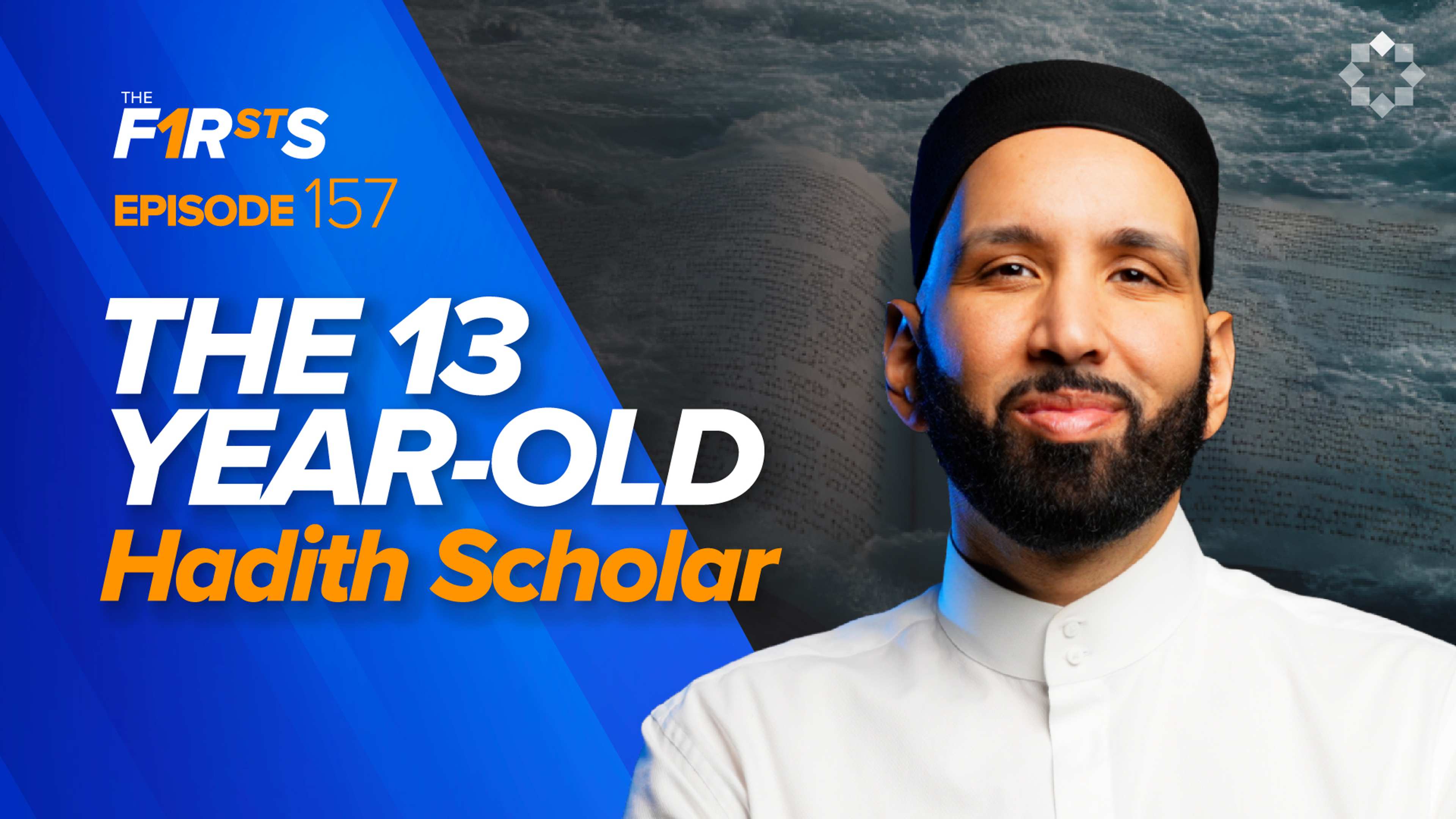
Abdullah ibn Abbas (ra): The Ocean of Knowledge | The Firsts

What made a teenager one of the most trusted scholars of the Qur’an among the Prophet ﷺ’s Companions? In this episode, discover the remarkable life of Abdullah ibn Abbas (ra) — the Prophet ﷺ’s cousin, student, and the Ocean of Knowledge.

From his childhood in the Prophet’s arms to his leadership in times of turmoil, Ibn Abbas’s story is a model of prophetic character and leadership.

This transcript was auto-generated using AI and may contain misspellings.
I want you to imagine walking into the masjid of the Prophet ﷺ
in the time of the companions. And you would think that the seniors of the sahaba would command the most attention. Everyone is looking to the sahaba that have the grey hairs, that have clearly been around
the Prophet ﷺ for a long time. But everyone is defaulting to this single young man. And when he walks into the masjid of the Prophet ﷺ, everybody is suddenly
captured by him. When he speaks, they all listen. And you're wondering how an 18 or 20 year old is commanding the attention of the veterans
of Badr, the greatest companions to ever walk around the Prophet ﷺ. A sahabi who you could say, and you would not be exaggerating, is the most knowledgeable
companion of the Prophet ﷺ. If you were to say, a'lamu, the most knowledgeable of ashabi Rasulullah ﷺ, the companions of the Prophet ﷺ, then it would most likely be that
you're talking about this young man. So much so that Tawus ibn Kaysan, one of the great scholars of the second generation, rahimahullah ta'ala, he was asked, he said, you know, you lived amongst the elders of the companions
of the Prophet ﷺ that survived him. Why is it that you spent so much time just with this young man? And he said, because I met hundreds of the sahaba of the Prophet ﷺ.
And when they had an issue amongst themselves, they defaulted to him and they just agreed with his opinion. Masrooq ibn al-Ajda', rahimahullah says, kuntu idha ra'aytuhu, verily if you saw him, qultu ajmalu an-nas.
You would say, he's the most handsome man I've ever seen in my life. Fa idha nataqa, and if he spoke, qultu afsahu an-nas. You said, he's the most eloquent person that I've ever heard in my life.
Fa idha haddatha, and then once he went on with his speech and kept on talking, qultu a'lamu an-nas. He's the most knowledgeable person I've ever heard in my life. This young man that we're speaking about is al-bahr, the ocean, habr al-ummah, the scholar
of this ummah, Abdullah ibn Abbas (رضي الله عنهما), who subhanAllah, is probably the most difficult companion that I'll ever have to fit into a single lesson.
Because his life is wisdom upon wisdom, upon wisdom, upon wisdom. Abdullah ibn Abbas (رضي الله عنهما), another companion and scholar from ahl al-bayt
an-nabi ﷺ, from the family of the Prophet ﷺ. His first cousin, his mentee ﷺ, the joy of the Prophet ﷺ during one of the most difficult moments of his life.
Abdullah ibn Abbas (رضي الله عنهما) was born in the boycott, in the boycott of Banu Hashim, Banu Muttalib. Meaning one of the most difficult eras of the life of the Prophet ﷺ.
Imagine being in a ghetto or a concentration camp, much like the ones that we see today, where people are barred from the world, under siege from the world, and a baby is born into
that misery and that baby becomes the source of joy for the Prophet ﷺ. This is Abdullah ibn Abbas (رضي الله عنهما), who was born about three years before the hijrah of the Prophet ﷺ.
Now here's an assignment for all of you. You got to go back in the first, and you have to watch the full episode on al-Abbas, his father (رضي الله عنه), who was walid an-nabi ﷺ, who we
said was like the father to the Prophet ﷺ. And you've got to watch, you've got to really scroll down the playlist until you find Lubaba
bint al-Harith, Umm al-Fadl, the mother of Abdullah ibn Abbas, Lubaba (رضي الله عنها) who was so early in Islam that what was said about her, she embraced Islam on
the same day of Khadija (رضي الله عنها). So that was the second woman to embrace Islam after our mother Khadija (رضي الله عنها). And as some of the scholars say, it's between her and Fatima bint al-Khattab, the sister
of Umar, may Allah be pleased with him and her. So you got to go way back and you got to watch their full episodes. For the sake of tonight, I'm just going to give a really brief snapshot of the parents
of Abdullah so that it can just help situate Abdullah ibn Abbas (رضي الله عنهما) in this particular story. So al-Abbas, the Prophet ﷺ had 12 uncles, 12 uncles, eight of
whom died before he received revelation. Four of whom were alive when he received revelation. You had Abu Talib, you had Abu Lahab, you had Hamza and you had al-Abbas. Okay.
Obviously you had two who didn't accept Islam. You had two who embraced Islam and all of them, as we said, you know, I was actually asked this question, you know, what is the meaning of the name Abbas? Abbas is the name, it means asad, it means lion.
All of them have the name of a lion at a particular posture. So Abbas is ism al-asad wa huwa yuzamjir. Al-Abbas is the lion while the lion is growling. All right.
Hamza (رضي الله عنه) is when the lion jumps on you and starts, starts eating its prey and subhanAllah, they both lived up to their name. Al-Abbas (رضي الله عنه), very deliberate, extremely deliberate, but always paying attention, right?
So the lion, as it stalks its prey is al-Abbas. Hamza is Hamza (رضي الله عنه). Asadullah Hamza, when he jumps and he feasts on his prey.
Al-Abbas, a wise, beautiful man, someone who was right before Hamza. So al-Abbas is technically older than Hamza, may Allah be pleased with them. And as we said, Hamza is like the same age as the Prophet ﷺ.
Al-Abbas is only about three years older than the Prophet ﷺ. So these are young uncles that are closer to being like brothers to the Prophet ﷺ.
Al-Abbas (رضي الله عنه), the generous man, a man who was big on keeping the family together always, a man who in Banu Hashim was beloved because he spent on his family members, the beggars would congregate outside of his home.
He always honored the highest ideals of the tribe. So al-Abbas is an honorable man and someone who protected the Prophet ﷺ just like Abu Talib, even though he had not become Muslim yet,
or at least announced his Islam. There's dispute, if you remember as to when al-Abbas became Muslim, if he hid it for a very long time, or if he actually was like Abu Talib protecting the
Prophet ﷺ, but not yet a believer, but still honoring his nephew and at least living to the accepted norms of society. And there are multiple stories about al-Abbas in this regard.
There's only one irony I want to point out about al-Abbas (رضي الله عنه) that he was the one who took the Prophet ﷺ to meet the Ansar, right? Al-Abbas was introducing his nephew, Muhammad ﷺ, to the various tribes and those that were coming from outside Mecca.
When the Prophet ﷺ had no one else, and when the Ansar came, al-Abbas (رضي الله عنه) was skeptical about the Ansar. Why? Can anybody tell me why? Anyone remember? Why did he look at the Ansar and be like, I'm not so sure I can give you over to them.
Anyone remember why? Because they were too young. They were youth. Right? So al-Abbas looked at them and he's like, wait a minute. I'm not about to hand you over to a bunch of kids.
The Ansar were a bunch of young people, teenagers in their twenties. The older ones were in their thirties. Right? So he's like, I can't give my nephew over ﷺ to these people. So he had to grill them and test them. Like, are you guys sure you're up to this?
Like, are you mature enough to handle this? Or are you just some young people that are getting really excited and want to go against the grain in the system and take in, you know, the most wanted men in Mecca into your society. Right? The irony is that look what happens.
His son Abdullah is the young person that everyone would question initially, and then quickly it would be dispelled and they would say, oh, this is who we're for. This is what we're after. Right?
And Abdullah ibn Abbas (رضي الله عنهما) would be the one to rise to the occasion. So al-Abbas (رضي الله عنه), that was him. He's hiding his Islam until a particular point.
The mother, Umm al-Fadl Lubaba (رضي الله عنها), one of the first Muslim women, and also one of al-akhawat al-mu'minat, the faithful sister, the early believing sisters.
Um, this is a woman who was extremely righteous. And ibn Abbas (رضي الله عنهما) says, kuntu ana wa ummi min al-mustadh'afina fi Mecca.
My mother and I were from the weak ones in Mecca. What does he mean by that? He means that we were amongst the Muslims that weren't able to make hijrah. We were practicing our Islam.
My mother taught me to pray from the time that I remember I prayed with my mother. We were a Muslim family in Mecca, right? Almost to say that if you think that like this family was on the fence, this was a
practicing, righteous, noble Muslim family. And of course, um, one of the, the key incidents that takes place is the battle
of Badr where al-Abbas came out with the people of Mecca, came out with the people of Mecca because he was forced. And the Prophet ﷺ mentioned that there's some people that are going to come out on the other side.
They're brought out by force. They have no need. They have no need and no desire to fight us. Al-Abbas is one of them. So he showed up on the day of Badr and he was like an idol, put his
sword down and just waited to be captured. Right. And when he was captured the Prophet ﷺ, of course, he had to be fair. He still had to ransom him the way that he ransomed all the other prisoners, right?
All the prisoners were treated with kindness, but at the end of the day, al-Abbas ﷺ was a prisoner of war and he was freed for a very particular
amount, um, that the Prophet ﷺ mentioned to him that I know that you hid in Mecca and Allah subhanahu wa ta'ala, of course, guaranteed al-Abbas (رضي الله عنه), in ya'lam Allahu fi qulubikum khayra, if Allah knows what is in your
hearts, yu'tikum khayran mimma ukhidha minkum, Allah will give you better than that which was taken away. So you paid a ransom. If you were already a secret Muslim, then you're going to be given far more than what was taken away from you.
And indeed al-Abbas (رضي الله عنه) would be given a huge fortune after the battle of Badr and he continued to spend in righteousness and support the Prophet ﷺ
from inside Mecca, but without announcing his Islam until Fath Mecca, until the conquest of Mecca. The mother Lubaba, just one thing that I mentioned about her, she is the woman who
popped Abu Lahab on the head. When Abu Lahab got the news that Quraysh lost Badr, right?
Abu Lahab was so upset that he jumped on the slave Abu Rafi' and he started to beat him. And Lubaba grabbed the tent pole and popped him on the head with that and said to him,
are you, you know, are you acting like this because al-Abbas is not here and you think you can take advantage of him? And Abu Lahab eventually died from that blow to his head. So that's the mother of Abdullah ibn Abbas. All right.
So let's go to, to him and we go back once again to the time of the boycott where the
Prophet ﷺ is in Mecca and the Prophet ﷺ is extremely grieved and saddened. And suddenly Abdullah ibn Abbas is born. Now, Abdullah is one of the younger children of al-Abbas.
He has multiple children. And when he is born, he's brought to the Prophet ﷺ during that boycott. And what is the sunnah of the Prophet ﷺ with a child? What would the Prophet ﷺ used to do?
What is one of the sunnah that he would do? Tahnik. What is tahnik? To take a date and you chew it, right? And you rub it on the roof of the mouth of the child. Okay.
With Abdullah ibn Abbas, the Prophet ﷺ did not use a date, but he still did tahnik only with his saliva ﷺ. So he took his saliva and he rubbed it on the rooftop of the mouth of Abdullah ibn
Abbas, and Abdullah ibn Abbas swallowed what the Prophet ﷺ put in his mouth. And Mujahid says that he is the only person, the only companion or family member of the Prophet ﷺ who has this distinction.
The only one of the family of the Prophet ﷺ whose tahnik was with the saliva of the Prophet ﷺ rather than with a date. Why do you think that is? They had no food.
So when you're seeing Ahl Ghazza right now and the people of Gaza and starvation, again, you have to live these moments in the present, right? You have to see the present through the past in this regard so that you can live in the
present in this regard so that you can connect and you can have that perspective. The Prophet ﷺ did not have a tamr, did not have a date to chew on to do the tahnik of Abdullah ibn Abbas ﷺ.
So he merely took his saliva ﷺ and he did the tahnik of Abdullah ibn Abbas ﷺ. And that is the way that this bond will start between the Prophet ﷺ and Abdullah.
The Prophet ﷺ would play with him. He would hold him. He would carry him. And when the Prophet ﷺ could barely find the ability to find some
joy in the midst of hardship, every time he saw Abdullah, the smile immediately came on his face. Give me my cousin, give me the son of mine. And he would play with him ﷺ and he would make du'a for him.
Keep in mind here, you know, if you look at the relationship between the Prophet ﷺ and his uncles, right? They're raising each other's kids, right? The Prophet ﷺ is raising his cousins. He's raising Ali (رضي الله عنه).
He is raising from the family of his uncle, from his cousins. They're a very tight-knit family, right? So it was common for the families to raise their children amongst themselves and Banu Hashim and the messenger of Allah ﷺ
is looking at Abdullah with that type of love and with that type of affection. So imagine being Abdullah and you wake up to the world and the Prophet ﷺ was amongst you.
And then when you're about four or five years old, the most incredible human being on the face of the earth, ﷺ leaves and he goes to Medina. And here you are in Mecca growing up
in the secret community of Muslims. And you're remembering like the Prophet ﷺ used to hold you and carry you and make du'a for you. And you're being told these stories about how he did the tahnik with his saliva, ﷺ,
and how you were the source of his joy in the midst of all of that hard time and the longing for that reunion with the Prophet ﷺ. So the Prophet ﷺ comes back to Mecca. He never went to Medina
to actually see the Prophet ﷺ during this time. Abdullah stays in Mecca with his mother, worshiping Allah. And at some point his father worshiping Allah and his siblings worshiping Allah. Then the messenger of Allah ﷺ comes to Mecca.
And if you remember, when the Prophet ﷺ came to Mecca, he connected immediately with al-Abbas ﷺ. Al-Abbas at this point becomes the official representative of the Prophet ﷺ for all discussions in Fath Mecca.
Whether he's talking to Abu Sufyan, ibn Harith or ibn Harb, or he's talking to alienated relatives of the Prophet ﷺ, or he's talking to former enemies of the Prophet ﷺ or he's announcing terms. The Prophet ﷺ treats al-Abbas
like his father, right? And the Prophet ﷺ, he would say, hadha 'ammi faman sha'a fal yubahi bi 'ammihi. This is my uncle. Whoever wants to boast about his uncle, this is my uncle.
And he would say that he is baqiyyatu aba'i. He's what's left of my father. I love him so much. He was so happy ﷺ to have al-Abbas by his side once again, this time in victory. And Abdullah comes back out.
Abdullah at this point is nine turning 10, comes to the Prophet ﷺ and the Prophet ﷺ sees him and remembers all those moments of hardship
where you were one of the sole sources of joy for me. And so he gets to embrace Abdullah ibn Abbas once again. And this time now, Abdullah and his family make their way
to al-Madinah al-Munawwarah, this time to be with the Prophet ﷺ. And they are the last of the muhajireen. The Prophet ﷺ told them, told al-Abbas that you are the last of the muhajireen like I'm the last of the anbiya'. You're the last of those who make hijrah
just like I'm the last of the prophets. Like it's that particular reward is now assured for you and your family. So Abdullah comes. Now, Abdullah ibn Abbas has the connection of his uncle.
I mean, you know, his father being al-Abbas being the uncle of the Prophet ﷺ. He has the connection that he is now with all of his cousins, al-Hasan, al-Husayn, right? And the cousins of Banu Hashim from within his relatives.
And they are clearly all coming together. So he has that connection as well. And he has another connection, which is his aunt, his khalah is Maymunah bint al-Harith,
who is the wife of the Prophet ﷺ. The last wife of the Prophet ﷺ is Maymunah bint al-Harith, his khalah, the sister of Lubaba bint al-Harith. So he's got a few different connections. So immediately the Prophet ﷺ
takes to him. And as the scholars mentioned, Abdullah ibn Abbas was so strikingly handsome that you just looked at him right away. He just has all of that, right? Strikingly handsome.
So everyone takes to Abdullah ibn Abbas, ﷺ, the Prophet ﷺ takes to him and he's kind of settling in in Medina and he wastes no time shadowing the Prophet ﷺ and getting in. He follows the Prophet ﷺ home.
He wants to go and fetch the wudu of the Prophet ﷺ. He is carrying the sandals of the Prophet ﷺ. He's trying to ride with the Prophet ﷺ. He's just trying to attach himself to the messenger of Allah ﷺ in every single way.
And then he has another idea, which is, I'm going to ask my aunt, khalti, to sleep in her house the night that the Prophet ﷺ is with her. So I can get a look at the Prophet ﷺ
not because his khalah, but because of the Prophet ﷺ. So he asks Maymunah, his aunt, can I come to your house and sleep in your house this night? I don't want to come this night.
I want to be there this night when the Prophet ﷺ is in your house. By the way, the house of the Prophet ﷺ, I mean, what is it? It's not like they've got two bedrooms, right? The hujurat of the Prophet ﷺ are all the same size, tiny.
There's one mattress. He is not yet baligh, he's not yet at puberty. He's still a young boy. Says, khalti, can I come and spend the night at your house on this night? So Maymunah asked the Prophet ﷺ for permission.
And the Prophet ﷺ said, okay. So he went to the masjid, he prayed salat al-'isha. He kind of got close to the Prophet ﷺ waited for everyone to go home. Then he went and he started to follow the Prophet
ﷺ to his house, from 'isha. To the house of Maymunah. I mean, come on, you get a sleepover in the house of the Prophet ﷺ. All right, this is next level access. And he's a student, his eyes are wide.
He wants to document everything. So where are they gonna sleep? Does the Prophet ﷺ say sleep on the floor? No, where are they gonna sleep? He says that my aunt and the Prophet ﷺ
they slept on the bed vertically and I slept at their feet horizontally. So he actually slept in the same bed and he's just watching the Prophet ﷺ the whole night. What's he gonna do?
Right, I wonder what he sleeps like. I wonder what he prays like, right? I wonder what it's going to be like that, you know, with him. So he says that, nimtu fi 'ardi al-wisad I slept horizontally
and the Prophet ﷺ and his wife were fi tuliha they were sleeping vertically. He says until about half the night came hatta idha intasafa al-layl aw qablahu bi qalil aw ba'dahu bi qalil
like it was right at half the night. He says, istayqadha Rasulullah ﷺ the Prophet ﷺ woke up. And when the Prophet ﷺ woke up how did he wake up? He jumped. Wathaba ﷺ
the Prophet ﷺ would immediately sit up, you know? So there was no, like, if you read about the adab of the Prophet ﷺ in sleep, if you read about his mannerisms of sleep 'alayhi salatu wasalam like the Prophet ﷺ would not like,
Prophet ﷺ used to just sit up. Why? Because his heart never slept ﷺ So wa la yanamu qalbi my eyes sleep, my heart never sleeps. So he's immediately ready Prophet ﷺ at all times.
So he says the Prophet ﷺ suddenly he sat up. So I'm watching the Prophet ﷺ all right, now here's the action. So he says the Prophet ﷺ wipes the sleep from his eyes. And then he started to read the last ayat
of Surah Ali 'Imran. So he reads in his bed, ﷺ the last ayat of Ali 'Imran. So ibn Abbas ﷺ is watching. And he says the Prophet ﷺ
then qama al-yusalli he got up to pray. So I got up and I made myself ready to pray. Like let's pray together. So he says, so the Prophet ﷺ
goes and I walk with him and the Prophet ﷺ had his wudu already prepared in a bucket. It was hanging. So the Prophet ﷺ took that bucket
and he started to make wudu. And he said, fatawadda'a minha ﷺ wa ahsana wudu' like it was a perfect wudu like it wasn't like your fajr wudu where you miss your face and then you realize that when your feet are wet
and it was a perfect wudu. So he says that sana'tu mithla ma sana'a Rasulullah ﷺ I did what the Prophet ﷺ did. So I made wudu too. So then I went with the Prophet ﷺ
as the Prophet ﷺ got ready. To pray. qala famadda an-nabiyyu ﷺ yadahu fa wada'aha 'ala ra'si The Prophet ﷺ looked at me and he put his hand on my head.
thumma akhadha bi udhuni al-yumna yafrukuha Then the Prophet ﷺ like he put his hand on my ear, my right ear. And he like started to play with it. Like you're a special young man. This is impressive, right?
Now let's see if you can hang out with the qiyam, right? Let's see if you can actually, because remember a lot of sahaba they went in a qiyam with the Prophet ﷺ and they were like, we can't do this. Okay, this is beautiful. fa qama yusalli So he started praying.
So I started praying behind him ﷺ like meaning to his right, but I was far behind him. So the Prophet ﷺ grabbed me in his salah and he brought me next to him.
So he said, I went back. The Prophet ﷺ again, pulled me back, put me next to him. So I went back again. So after the salah, the Prophet ﷺ prayed two rak'ahs.
qala ma sha'nuka ibn 'Abbas What is it with you, oh ibn 'Abbas? He says, aj'aluka fi hidha'i I bring you next to me. fatakhnas and then you walk back. So ibn 'Abbas (رضي الله عنهما) says, I said, ya Rasulullah
awa yanbaghiri ahadin an yusalli fi hidha'ika wa anta Rasulullah Oh messenger of Allah, is it befitting that anyone prays next to you and you are the messenger of Allah ﷺ So the Prophet ﷺ
ajabatuhu He was pleased with my answer. fadammani ila sadri So the Prophet ﷺ hugged me and he made du'a for me. And he said, Allahumma 'allimhu al-kitaba wal-hikmah
Allahumma 'allimhu al-kitaba wal-hikmah So in this du'a, oh Allah, teach him the book and its wisdom. And then he got up ﷺ and he continued his salah and he continued his salah and he continued his salah and he continued his salah ﷺ all the way until the end of the night
'alayhi salatu wasalam And then he prayed his witr ﷺ Now, one of the things that the scholars of hadith mention is that this wasn't the only time he spent the night in Maymunah's house.
Now he kind of figured out an equation. Let me just ask my khalah if I can ask my khalah Let me just ask my khalah if I can sleep in the house of the Prophet ﷺ or whenever he's there. So there are multiple narrations
where he's narrating different elements of the qiyam of the Prophet ﷺ but it wasn't just in the household of Maymunah and Sunan an-Nasa'i he says that I used to pray next to the Prophet ﷺ while 'Aisha (رضي الله عنها) prayed behind us.
So he was young enough (رضي الله عنهما) where he could still find his way into the house of the Prophet ﷺ no matter what house it was. And the wives of the Prophet ﷺ would pray behind the Prophet ﷺ
and Abdullah ibn 'Abbas (رضي الله عنهما). Then you find the hadith in Bukhari that when salah approaches. So this is just the last few years of the life of the Prophet ﷺ. The Prophet ﷺ would go to fetch his wudu
and he would find that the wudu was already there. So he'd say, who brought the water? They'd say, ya Rasulullah, it was ibn 'Abbas. Abdullah ibn 'Abbas starts to anticipate where the Prophet ﷺ is going to be. He starts to learn the movements of the Prophet ﷺ.
He starts to learn how the Prophet ﷺ likes his wudu, at what level it is. And he starts preparing the wudu of the Prophet ﷺ for him. So the Prophet ﷺ would see him. He would hug him ﷺ.
And he would say the famous du'a, Allahumma faqqihhu fid-din wa 'allimhu at-ta'wil. Oh Allah, make him a scholar of the religion and teach him ta'wil, ya'ni ya tafsir, like the ability to explain things.
So give him an incredible amount of understanding, knowledge of the religion, and give him the ability to extrapolate, to understand and to extrapolate. And subhanAllah, Abdullah ibn 'Umar (رضي الله عنهما),
he said that I would see the Prophet ﷺ and he would see Abdullah ibn 'Abbas (رضي الله عنهما), and he would just hug him. Like the Prophet ﷺ loved him and he would embrace him when he would see him.
And he would say, Allahumma barik fihi, wanshur minhu. Oh Allah, bless him, put barakah in him and spread through him. Spread what through him? Spread the din through him. Then Abdullah ibn 'Abbas (رضي الله عنهما) does what?
Starts following the Prophet ﷺ around. And he says, there isn't a single ayah of the Quran except that I asked the Prophet ﷺ, where was it revealed, ya Rasulullah? Why was it revealed, ya Rasulullah? What was the context of this, ya Rasulullah? So he starts following the Prophet ﷺ
around and he starts learning the tafsir of the Quran. So how does he become the scholar of the Quran even though he wasn't around for the majority of its revelation? Because he used those last few years with the Prophet ﷺ
and the access he had to him to keep on asking him, ya Rasulullah, when was this revealed? Ya Rasulullah, when was this revealed? And Abdullah ibn 'Abbas (رضي الله عنهما) on over 40 occasions, it's narrated that the Prophet ﷺ
held him and said, Allahumma 'allimhu al-hikmah, Allahumma 'allimhu al-kitab, Oh Allah, teach him the book, Oh Allah, teach him. It's wisdom. And the scholars say, subhanAllah, in the wisdom of that, when the Prophet ﷺ
makes du'a for people, he's very specific about the du'a he's making for you. Like, and you'll find this with multiple sahaba, that the Prophet ﷺ had a choice, like a particular du'a that he would make for them. Like if it's Anas (رضي الله عنهما), it's a particular du'a.
If it's Abu Hurayrah, it's a particular du'a. If it's al-Hasan wal-Husayn, a very particular du'a. With ibn 'Abbas, it's always knowledge. And they said that's a sign of the love of the Prophet ﷺ for him,
because the only du'a that Allah 'azza wa jall says in the Quran commands us, wa qur rabbi zidni 'ilma. Say, oh my Lord, increase me in knowledge.
So it doesn't get more beautiful and more blessed than that. And ibn 'Abbas (رضي الله عنهما) is the one who narrates from the Prophet ﷺ that the Prophet ﷺ said, man yuridillahu bihi khayran yufaqqihhu fid-din.
If Allah wants good for somebody, Allah 'azza wa jall grants them an understanding of the religion. That's a sign that Allah wants good for you. If you start to understand more, if you start to find knowledge is sticking more, if you start to see that you're loving knowledge more,
if you start to see that you're practicing your knowledge more, if knowledge is becoming a centerpiece of your life, that is a sign of Allah 'azza wa jall wanting goodness for you. And one of the things about ibn 'Abbas,
he was selfish with this opportunity of closeness to the Prophet ﷺ. So one time he's sitting and the Prophet ﷺ had, you know, someone sent some laban, some yogurt and the Prophet ﷺ,
some milk, sorry, I always, this is an Egyptian Palestinian thing, right? Laban versus halib. I keep translating laban as yogurt. Laban is milk, right? So they sent some milk to the Prophet ﷺ and the Prophet ﷺ
would share the milk with whoever was in the majlis. So I want you to imagine this, Prophet ﷺ is sitting, I'll just tell you who's in the room. Abu Bakr, 'Umar, Khalid,
Abdullah ibn 'Abbas. All right. Abu Bakr and 'Umar, the two shaykhs, the two shaykhs of the Prophet ﷺ, right? Ash-shaykhan, right with the Prophet ﷺ, always his right and his left. Khalid ibn al-Walid,
I mean legends and all of those historical battles and like you see Khalid ibn al-Walid, like that's the guy, right? You think about athletes and superstars, Khalid ibn al-Walid is there.
So Abdullah ibn 'Abbas managed to squeeze himself in and he's sitting right next to the Prophet ﷺ to his right. Khalid ibn al-Walid is to the right of ibn 'Abbas, Abu Bakr and 'Umar are on the other side. The Prophet ﷺ,
the sunnah is to start with the right, right? The Prophet ﷺ received some milk and Khalid is like a senior in the religion.
Ibn 'Abbas is still a 10 or an 11 year old. He's a cousin of the Prophet ﷺ. And so the Prophet ﷺ asks Abdullah, is it okay if I give the milk to Khalid first? And Abdullah ibn 'Abbas said, I'm sorry, ya Rasulullah.
He said, I can't prefer the milk from your hands to anyone over myself. Like at the end of the day,
the Prophet ﷺ drank first, right? Sometimes, you know, in the hadith of Abu Hurayrah, the Prophet ﷺ drank last. This time the Prophet ﷺ took a sip. He said, no, I want to drink right after you. I don't want anyone in between me and you and drinking
from your hands. So the Prophet ﷺ gave it to Abdullah ibn 'Abbas. He drank some and then he passed it to Khalid. All right. Like I am not going to allow anybody to get in between me and the Prophet ﷺ.
And for that reason, subhanAllah, the most profound hadith of the Prophet ﷺ with ibn 'Abbas,
in the 40 Hadith of an-Nawawi, it's hadith number 19. Honestly, it could take up an hour and a half. This hadith alone could take up an hour and a half because it's that profound. And it is when Abdullah ibn 'Abbas says,
kuntu khalfa Rasulillahi ﷺ yawman faqala ya ghulam inni u'allimuka kalimat. I was riding behind the Prophet ﷺ one day, and suddenly the Prophet ﷺ
turns around and he says, oh, young man, let me teach you some words. First, the context.
SubhanAllah, how beautiful is our Prophet ﷺ that he shows this much attention
that he'll turn around and talk to him. Right? Like this is like a stop the car moment. I want to have a conversation with you. I want you to remember these words. These are not words spoken
from the minbar. This is a heart to heart from the Prophet ﷺ to his cousin, who he's just getting reunited with. And the Prophet ﷺ knows he's not going to live much longer. Like Prophet ﷺ is over 60 now. Ibn 'Abbas is a 10, 11, 12 year old.
He loves him, but he knows he's not going to have much more time ﷺ. So he says, listen to me, young man, I'm going to give you some words of advice. Don't forget
these young words. Qal ihfadhillaha yahfadhka. Be mindful of Allah and Allah will protect you.
Qal ihfadhillaha yahfadhka. Be mindful of Allah. You will find him in front of you. Idha sa'alta fas'alillah. If you ask, ask Allah.
Wa idha ista'anta fasta'in billah. And if you seek help, then seek help from Allah. Wa'lam anna al-ummata law ijtama'at 'ala an yanfa'uka bi shay' lam yanfa'uka illa bi shay'in qad katabahu Allahu lak.
And know that if the whole ummah was to gather together to benefit you with something, they would not be able to benefit you with anything unless Allah subhanahu wa ta'ala had written it
for you. Wa'lam anna al-ummata law ijtama'at 'ala an yadurruka bi shay' lam yadurruka illa bi shay'in qad katabahu Allahu 'alayk. And if they all got together to harm you with something, they would not be able to harm you
with anything unless Allah 'azza wa jall had written it against you. Rufi'at al-aqlam wa jaffat as-suhuf. The pens have been lifted and the pages have dried.
Now, this hadith, and there's of course another variation of it, ihfadhillaha tajidhu amamak, ta'arraf ila Allahi fir-rakha' ya'rifuka fish-shiddah wa'lam anna ma akhtaaka lam yakun li yusibak wa ma
asabaka lam yakun li yukhtiak wa'lam anna an-nasra ma'a as-sabr wa anna al-faraja ma'a al-karb wa anna ma'a al-'usri yusra. The Prophet ﷺ said to him, be mindful of Allah, you'll find him in front of you.
Know Allah in good times and Allah will know you in hard times. And know that what missed you was never meant to come to you. And what came to you was never meant to miss you. And know that victory
comes with patience, relief comes with test, and hardship comes with ease. I can't do a sharh of this hadith because it would literally take all night. It is, subhanAllah, probably the most
profound paragraph of life advice that a Muslim could have, period. 'Aqidah, iman, practical life, adab, everything could come from this hadith. But what I want you to pay attention to is the
Prophet ﷺ is talking to a kid who he knows one day is going to be a celebrity. This kid's going to be a star. You're going to grow up and everybody's going to want to be like ibn 'Abbas.
And everybody's going to want to be around ibn 'Abbas. And everyone's going to praise ibn 'Abbas. And the whole ummah will be at your feet and the Prophet ﷺ is telling ibn 'Abbas ﷺ,
don't worry about these people. None of them will harm you. None of them will benefit you. Focus on Allah subhanahu wa ta'ala. Make sure your intention is sincere. Make sure you're connected to Allah.
Make sure you're not connected to human beings. It is always about Allah subhanahu wa ta'ala. Right? So this is one advice that was given to him by the Prophet ﷺ that he lived with for the rest of his life
and that all of us can take as life advice. You then look at the hadith he narrates from the Prophet ﷺ. There are hadiths he narrates from the Prophet ﷺ just shows you his attentiveness.
He narrates over 1600 hadiths from the Prophet ﷺ. From the age of 10 to the age of 13, he only had three years with him ﷺ. But the meticulous details, he narrates the small
details of the food of the Prophet ﷺ. How many bites the Prophet ﷺ would take from his food. How many sips the Prophet ﷺ would take from his zamzam. When the Prophet ﷺ stood up and when
the Prophet ﷺ sat down. He narrated what part of the meat the Prophet ﷺ preferred. How the Prophet ﷺ would put the bone down. When he observed the Prophet ﷺ doing wudu after food or not,
after eating food or not. What the Prophet ﷺ would say, his du'as in every single moment. He narrated what the Prophet ﷺ would read in the silent salats.
How is that possible? He watched him ﷺ and how his mouth was moving. So he could tell what the Prophet ﷺ was reading in his sunnah.
He narrates those smallest details, a special man. The wudu of the Prophet ﷺ, mostly his
narrations. Hajj of the Prophet ﷺ, many of them his narrations. 'Aisha ﷺ, the most knowledgeable
of the sahaba in hajj is Abdullah ibn 'Abbas. Pays attention to everything from the Prophet ﷺ. And he was meant for something special. So special that one day the Prophet ﷺ was sitting down
and al-'Abbas went with Abdullah to meet the Prophet ﷺ. And al-'Abbas sat down with Abdullah and started talking to the Prophet ﷺ. And the Prophet ﷺ
ignored him. He ignored al-'Abbas. So al-'Abbas was upset. He gets up and he walks away. And he says to Abdullah,
Abdullah, alam tara ibna 'ammika ka al-mu'ridi 'anni? Do you see like your cousin, the Prophet ﷺ, it's like he's rejecting me, like he's turning away from me. Abdullah said, no, you don't see that man that was talking to him? You didn't see the man that was
talking to him? Al-'Abbas says, what are you talking about? Abdullah said, there was a man that was sitting with the Prophet ﷺ and talking to him and the Prophet ﷺ did not want to cut off the conversation with him because the adab of the Prophet ﷺ was he's always focused on a person.
By the way, if you walked up to the Prophet ﷺ and he was talking to somebody and you started, he would stay focused on the person that he was talking to because that person had a greater right
upon him. So that's not the uncommon part. The weird part is I didn't see a man, but you saw a man. What happened? So al-'Abbas went back to the Prophet ﷺ another time.
And the Prophet ﷺ immediately apologizes to him to say, look, you know, I was talking to someone. Al-'Abbas said, who were you talking to? Because Abdullah said that he saw a man with you.
The Prophet ﷺ said, he saw him? Al-'Abbas said, yes. And he described him perfectly.
He said, that was Jibril ('alayhi salam). So Allah subhanahu wa ta'ala permitted Abdullah to see Jibril. The Prophet ﷺ
did two things. Number one, the Prophet ﷺ made du'a for Abdullah. Like, wow, he really is a special
kid. Allah subhanahu wa ta'ala indeed has destined him for something. But then the Prophet ﷺ said, but no one who sees Jibril ('alayhi salam) and lives long enough will not go blind in his life. He's going to go blind
one day. SubhanAllah, the prophecy will come true later on in the life of Abdullah. So he's a special kid. He got to see Jibril, but at the same time, something will happen to him later on.
May Allah subhanahu wa ta'ala be pleased with them all. Allahumma ameen. In any case, we have the hajj of the Prophet ﷺ. And in the hajj of the Prophet ﷺ, the Prophet ﷺ wanted to distribute between the children of
al-'Abbas. So he had al-Fadl ibn 'Abbas with him for most of the hajj. Abdullah was with his mother Lubaba and Abdullah narrated much of the hajj. And then the Messenger of Allah ﷺ
passes away. So this is obviously devastating. Being from the Prophet ﷺ's family,
Abdullah, al-Fadl, his father al-'Abbas, 'Ali, Usamah ibn Zayd, they are those that will handle the burial of the Prophet ﷺ. May Allah be pleased with them all. The closest relatives of
the Prophet ﷺ. So they will wash his body ﷺ. They will prepare it for burial. And ibn 'Abbas was one of those who entered into the grave and received the body of the Messenger of
Allah ﷺ to place in that grave. Very tough. And he recalls the placement of the cloth and the very specific details of what it was like to bury the Messenger of Allah ﷺ.
This would have been hard for any adult, for any kid, especially for someone who just spent three years centering the Prophet ﷺ in his life to that extent. But you know what he does?
Abdullah ibn 'Abbas ﷺ loves the Prophet ﷺ. He said, when the Prophet ﷺ died, I said to my friend, he was one of the friends of the Ansar, I said to him, hey, you notice
something? All of the sahaba are in Medina now. What does that mean? All the sahaba who had left
Medina, they came to Medina for the death of the Prophet ﷺ. So he said, now's the chance for us to go and collect 'ilm from them all. Let's go get everything that they have. Let's go soak in the
knowledge. That's from his fiqh, his understanding. He's a 13 year old. And he's saying, now I want to go and I want to learn from every one of the companions of the Prophet ﷺ. So he said,
my friend looked at me and my friend was like, you know, can't we just do something else? Back then, you know what their PlayStation was? Pigeons. Play with pigeons. All right.
You wonder why generations, you know, lose their attention span. Their idea of playing with something was playing with the pigeons. That's the innocence of their play at the time. Right? It was like, just play with pigeons. Let's hang out.
Let's do stuff that 13 year olds do. Abdullah says, no, let's go learn from the sahaba. So Abdullah ibn 'Abbas says, he said, I left him alone. I was like, all right, I'm done with you. Cut him off.
So he said, I went to all of the doors of the companions of the Prophet ﷺ. Every single one of them, I go place my garment in front of their door.
And I go to sleep in front of their doorstep. So it became a running joke in Medina. You open your door and Abdullah ibn 'Abbas is sleeping in front of your door. Not as a beggar, because he wants to ask you to give him everything you learned from the Prophet ﷺ. I want every hadith that you have.
I want everything you remember. I want your story and I want the story of the Prophet ﷺ. And he said that people would be embarrassed.
They'd say, na'tika, will come to you, O cousin of the messenger of Allah ﷺ. Like, come on, you're from ahl al-bayt. You're, you're, we know how much the Prophet ﷺ loved you and honored you. And they'd be wiping the dust off me and saying, just tell us and we'll come to you.
And ibn 'Abbas taught us, knowledge is sought, knowledge is not seek. You go to it, it doesn't come to you. No, no. Knowledge is to be sought. You have to go to it. It will not come to you.
And this is a famous motto of the people of knowledge. The other, his friends, like imagine, you know, like when you watch like a documentary about someone that like went on to do something great.
And like, they got their friends from like high school and stuff like that. And they're like, remember your work ethic versus mine. And like, man, he knew what he was talking about. His friend used to walk by the majalis of ibn 'Abbas later on in life.
When ibn 'Abbas's halaqas were thousands of people at a time, people crowding his house. And he would look at him and he would say, That young man was so much smarter than me.
I should have listened to him that day. I could have been his boy and we could have went and learned together the narrations of the Prophet ﷺ. One of the most beautiful incidents is ibn 'Abbas and Zayd ibn Thabit. May Allah be pleased with them both.
Where Zayd ibn Thabit was coming. He was on his camel and Abdullah ibn 'Abbas went and he grabbed the rein of the camel to guide it and to put it down and to take care of him. And Zayd is embarrassed.
And ibn 'Abbas says, This is how we were taught to treat our elders and our scholars.
And so Zayd came down and he kissed the hand of Abdullah ibn 'Abbas and he says, This is how we were taught to treat the family of the Prophet ﷺ.
This is a culture now that's being created of young people that want to learn and young people that want to study and they want to go forth. And that's why, subhanAllah, Abu Rafi' says that ibn 'Abbas went to every companion and said,
What did the Prophet ﷺ do on that day and this day? And he's writing what they were saying. So he literally had his pen and his paper and he would write down everything.
And that's why, subhanAllah, Salman al-Farisi (رضي الله عنه), for example. Hadith Salman al-Farisi. Long hadith. Salman (رضي الله عنه) was the age of the Prophet ﷺ. So he's an old man, very quiet.
Abdullah ibn 'Abbas was not there when he became Muslim, but he went to Salman al-Farisi and he said, how did you become Muslim? Can you tell me your story of how you became Muslim? And he sat there and he wrote down and memorized everything that Salman (رضي الله عنه) said about his past.
And that's how we get the story of Salman al-Farisi (رضي الله عنه). Because of this dedicated young man that went forth. As ibn 'Abbas (رضي الله عنهما) grew up,
they said, again, the most handsome young man that you would see, his face was so bright that they used to compare him, like they compared the face of the Prophet ﷺ to the full moon.
In fact, 'Ata', rahimahullah, he says, ma ra'aytu al-qamara laylata arba'a 'ashara illa dhakartu wajha. He said that I never see the moon on the 14th night, except that I think of Abdullah ibn 'Abbas (رضي الله عنهما). Because of the beauty of his face, the light on his face,
ﷺ (رضي الله عنهما). Said that he had major haybah, like his father. Haybah is like an imposing presence. Remember al-'Abbas, who was like, again, they called, like, treated like walid an-nabi ﷺ,
the father of the Prophet ﷺ. He had so much haybah, so much of a presence, that when he came to Jerusalem, when he came to al-Aqsa, may Allah 'azza wa jall liberate it, they thought he was 'Umar ibn al-Khattab (رضي الله عنه). They thought he was amir al-mu'minin. Just because he had the look, he had the feel,
like he had the presence. So Abdullah had that same presence as his father, (رضي الله عنهما). And the narrations about him are so many. After the death of the Prophet ﷺ,
Abdullah ibn 'Umar (رضي الله عنه) said, hadha a'lamu man baqiya minna bima anzalahu Allahu 'ala Muhammadin ﷺ. This is the most knowledgeable man amongst us,
about what Allah revealed to the Prophet ﷺ. He was nicknamed tarjuman al-Qur'an, the interpreter of the Quran. 'Ubayd nicknamed him habr al-ummah, the scholar of the ummah.
Keep in mind, he's about 17 years old when he's receiving these accolades. The scholar of the ummah. Muhammad ibn al-Hanafiyyah, the son of 'Ali ibn Abi Talib, Muhammad ibn 'Ali, may Allah be pleased with him.
He led salat al-janazah on his cousin, Abdullah ibn 'Abbas (رضي الله عنهما) and his students continued his legacy after him. Tawus, 'Ata' ibn Rabah, Sa'id ibn Jubayr,
'Ikrimah, Mujahid, all of whom were freed slaves who became the greatest scholars of this ummah because ibn 'Abbas (رضي الله عنهما) taught them. He narrated not just from the Prophet ﷺ, over 1600 hadiths.
He narrated from all of khulafa' ar-rashidin. He narrated from all of the wives of the Prophet ﷺ. And he was narrated from, by multiple companions and his children. He is Abu al-'Abbas ibn 'Abbas. So by the way,
his kunyah is Abu al-'Abbas and he's ibn 'Abbas because he named his oldest son al-'Abbas. May Allah be pleased with Abdullah ibn 'Abbas and with all of the family and companions of the Prophet ﷺ. May Allah allow us to love the Quran as they did
and to draw near to Allah with the Quran and near to our beloved ﷺ as they did. Allahumma ameen. Jazakumullahu khayran Wassalamu 'alaykum wa rahmatullahi wa barakatuh.